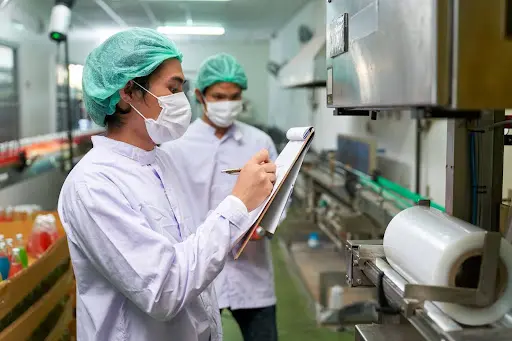
HACCP food safety compliance software is essential for success in the food industry, helping businesses meet strict safety standards that protect public health and reputation. Digital innovations have transformed how food businesses manage compliance, with modern software solutions offering powerful tools for:
- Real-time monitoring of critical control points
- Automated documentation and record-keeping
- Streamlined compliance processes
- Enhanced traceability capabilities
- Simplified audit preparation
What is the role of HACCP in food safety compliance?
HACCP is the global standard for food safety management, offering a systematic way to identify and control hazards. This science-based system helps food businesses prevent contamination risks through proactive monitoring and documentation.
The 7 Core HACCP Principles:
- Hazard Analysis: Identify potential biological, chemical, and physical risks
- Critical Control Points: Establish key points where controls can prevent hazards
- Critical Limits: Set measurable parameters for each control point
- Monitoring Procedures: Create systems to track critical control points
- Corrective Actions: Define steps to address deviations
- Verification: Confirm the system works effectively
- Documentation: Maintain records of all procedures and actions
Modern food safety software digitalises principles, turning manual tasks into automated workflows. Digital HACCP solutions allow real-time monitoring, instant alerts, and detailed reports, helping food businesses stay compliant, reduce errors, and streamline processes. Australian businesses use specialised HACCP software that complies with local regulations, ensuring consistent safety across production, storage, and distribution.
What are the consequences of not implementing HACCP?
Manual HACCP implementation strains food businesses with time-consuming paper systems for data entry, filing, and retrieval. Staff spend hours recording temperature checks, cleaning, and compliance manually, risking human errors like missed checks, wrong readings, and lost documents, which can lead to food safety breaches. These errors often remain unnoticed until audits, causing compliance gaps.
Common manual HACCP challenges include:
- Time-intensive documentation – Staff dedicate hours to paperwork instead of core business activities
- Inconsistent record keeping – Different team members may record data in varying formats
- Storage and accessibility issues – Physical documents can be damaged, misplaced or difficult to locate
- Delayed issue detection – Problems often surface too late without real-time monitoring
- Resource drain – Additional staff needed to manage paper-based systems
Food safety management software eliminates these inefficiencies through automated data capture, standardised recording, and instant access to critical information.
Top 5 Ways HACCP Compliance Software Can Transform Your Food Business
HACCP compliance software revolutionises food safety management with advanced technology. These digital tools address key operational challenges and enhance food safety standards industry-wide.
1. Streamlining Food Safety Compliance Processes with Automation
Automated HACCP compliance software transforms manual monitoring tasks into efficient digital processes. The software’s intelligent systems handle:
- Real-time temperature monitoring with automated alerts for immediate corrective actions
- Digital documentation of critical control points through user-friendly interfaces
- Automated scheduling of food safety checks and inspections
- Instant hazard analysis reports based on collected data
These automation features eliminate paper-based record-keeping and reduce human error in food safety protocols. Food businesses can maintain consistent monitoring of critical control points through:
- Pre-configured compliance checklists
- Automated data collection from integrated sensors
- Digital verification of corrective actions
- Instant notification systems for compliance breaches
The software’s automation standardises processes across locations, ensuring uniform food safety practices. This helps food businesses maintain consistent quality and reduces time on manual compliance.
2. Enhancing Collaboration among Stakeholders
HACCP compliance software fosters better collaboration among various stakeholders involved in food safety compliance management. With cloud-based platforms and shared access features, team members can:
- Collaborate on developing and updating HACCP plans
- Share important documents and records in real-time
- Communicate effectively through built-in messaging or comment sections
This enhanced collaboration leads to improved decision-making, faster problem-solving, and a culture of accountability within the organisation.
3. Empowering Data-Driven Decision Making
HACCP compliance software provides valuable insights through data analytics, enabling food businesses to make informed decisions. By analysing historical data and identifying trends, organisations can:
- Identify recurring hazards or non-compliance issues
- Evaluate the effectiveness of existing control measures
- Make proactive adjustments to prevent future incidents
Data-driven decision making enhances risk management strategies and promotes continuous improvement in food safety practices.
4. Improving Training and Knowledge Retention
HACCP compliance software offers training modules and resources to enhance employee knowledge and skills. Through interactive courses, videos, and assessments, team members can:
- Understand the principles of HACCP and their importance
- Familiarise themselves with specific procedures and protocols
- Stay updated on regulatory requirements
This investment in training leads to higher competency levels among staff, reducing the likelihood of errors or oversights in food safety practices.
5. Simplifying Audits and Inspections
HACCP compliance software simplifies the audit process by providing easy access to records and documentation. During audits or inspections, organisations can:
- Retrieve relevant information quickly from the software platform
- Present digital evidence of compliance activities
- Address any findings or recommendations promptly
This streamlined approach to audits not only saves time but also demonstrates a commitment to transparency and accountability in food safety management.
Why Choose Squizify as Your Preferred HACCP Compliance Software Solution?
Squizify stands out as a comprehensive food safety software designed to meet diverse industry needs. The platform offers:
- Customisable checklists and automated record-keeping systems
- 24/7 data accessibility through a secure SaaS platform
- Integrated hardware solutions for temperature monitoring and food labelling
- Real-time support via live chat
Squizify caters to multiple sectors, including hospitality, healthcare, aged care, childcare, supermarkets, and manufacturing facilities. Our food safety software adapts to your specific requirements through personalised discovery calls and demo sessions.
The platform’s automated record-keeping system, accessible via any internet-connected device, ensures accuracy and efficiency across your operations. Book a demo today to experience how Squizify can transform your food safety compliance management.
Food safety compliance is crucial for protecting public health and maintaining consumer trust in global markets. For businesses operating in Thailand and Australia, understanding the differences in food safety regulations between these two countries can be both challenging and beneficial.
What are the Food Safety Regulatory Frameworks in Australia?
Australia’s food safety system operates under the guidance of Food Standards Australia New Zealand (FSANZ). This comprehensive framework includes:
- Food Standards Code – Strict regulations for food production, safety, and labelling
- Risk-based inspection system – Regular audits and compliance checks
- Traceability requirements – Complete supply chain documentation
- Recall protocols – Standardised procedures for product recalls
- Allergen management – Mandatory declaration of common allergens
FSANZ enforces these standards through state and territory authorities, creating a unified national approach to food safety compliance.
What are the Food Safety Regulatory Frameworks in Thailand?
Thailand’s food safety regulatory landscape centres around two primary bodies:
Ministry of Public Health (MOPH)
- Sets national food safety policies
- Issues Good Manufacturing Practice certificates
- Controls food additives and contaminants
- Manages food registration systems
Thai Industrial Standards Institute (TISI)
- Develops food safety standards
- Certifies food production facilities
- Aligns regulations with international requirements
- Promotes regional cooperation in ASEAN
Thai regulations focus heavily on export compliance, with specific requirements for:
- Food packaging standards
- Product testing protocols
- Hygiene certification
- Quality assurance systems
Comparing Food Safety Regulatory Challenges in Australia and Thailand:
Businesses in both countries face distinct regulatory challenges:
Australian Challenges
- Complex multi-jurisdictional compliance
- Strict documentation requirements
- Regular updates to food standards
- High compliance costs
Thai Challenges
- Varying interpretations of regulations
- Multiple certification requirements
- Evolving export standards
- Implementation of new technology systems
The regulatory frameworks in both nations emphasise different aspects of food safety management. Australian systems prioritise standardisation and strict enforcement, while Thai regulations focus on international trade compliance and regional harmonisation.
What are the Key Differences in Food Safety Compliance Between Thailand and Australia?
Australia implements stringent national food safety standards through a unified regulatory framework. The system features:
- Mandatory compliance with the Food Standards Code
- Regular audits and inspections by authorised officers
- Strict biosecurity measures at borders
- Heavy penalties for non-compliance
- Comprehensive traceability requirements
Thailand’s approach centres on export-oriented compliance and good manufacturing practices. The system includes:
- Voluntary adherence to food safety guidelines for domestic markets
- Strict export regulations meeting international standards
- Focus on packhouse certification programmes
- Regional harmonisation efforts with ASEAN standards
The regulatory maturity gap between these nations creates distinct operational challenges for food businesses. Australian companies face higher compliance costs but benefit from clear guidelines and consistent enforcement. Thai businesses’ experience:
- Variable enforcement levels across different regions
- Lower domestic compliance costs
- Complex export requirements
- Need for additional certification for international trade
These differences shape how businesses approach food safety management. Australian operations typically invest in comprehensive compliance systems from the start, while Thai businesses often adopt tiered approaches based on their target markets.
The impact on cross-border trade requires businesses to understand both regulatory environments. Australian importers must ensure Thai suppliers meet their stringent standards, while Thai exporters need robust systems to demonstrate compliance with Australian requirements.
Food Safety Compliance Management Tools and Technologies
Digital compliance management systems serve as essential tools for food businesses navigating the complex regulatory landscapes of Thailand and Australia. These systems enable real-time temperature monitoring, instant documentation, and streamlined reporting processes critical for maintaining food safety standards.
- Online temperature monitoring system
- Automated record-keeping systems
- Real-time compliance tracking
- Integrated audit readiness tools
- Supply chain visibility solutions
The adoption of digital tools has become crucial for businesses operating in both markets, with Australian regulations requiring strict documentation and Thailand’s export-focused industry demanding precise tracking capabilities.
Automated Solutions for Enhanced Compliance
Digital compliance platforms like Squizify offer tailor-made checklists specific to each country’s requirements. These customised solutions help businesses:
- Track food safety metrics in real-time
- Generate instant compliance reports
- Maintain detailed HACCP documentation
- Monitor critical control points
- Streamline audit preparation
Hardware Integration for Precision Monitoring
Temperature monitoring devices play a vital role in maintaining food safety standards. Advanced temperature sensors integrated with food safety compliance software provide:
- 24/7 temperature tracking
- Automated alerts for temperature breaches
- Historical data logging
- Cloud-based storage for easy access
- Real-time temperature monitoring across multiple locations
Supply Chain Efficiency Through Technology
Digital compliance tools enhance supply chain visibility and control:
- Track product movement from source to destination
- Monitor storage conditions throughout transit
- Document handling procedures at each checkpoint
- Verify compliance at every stage
- Generate comprehensive traceability reports
Modern compliance management systems bridge the gap between Thai and Australian regulatory requirements through standardised digital processes.
These tools ensure businesses maintain consistent food safety standards while operating across different jurisdictions.
Risk Management Strategies and Audit Readiness in Food Safety Compliance
Australia and Thailand implement distinct approaches to food safety risk management and auditing processes. Australia maintains a rigorous audit system with scheduled inspections and comprehensive HACCP requirements across all food businesses. Thai authorities focus on export-oriented facilities and major food manufacturers, with increasing emphasis on HACCP implementation for international trade compliance.
Key Audit Requirements by Country:
Australia
- Mandatory annual food safety audits
- Risk-based inspection frequency
- Third-party certification requirements
- Detailed documentation of food safety programs
- Regular internal audits and self-assessments
Thailand
- Export facility certification audits
- GMP and HACCP verification for major producers
- Risk-based inspection systems
- Documentation requirements for export markets
- Periodic safety assessments
Food businesses must maintain constant audit readiness through systematic documentation and monitoring. Real-time data accessibility proves crucial for demonstrating compliance during unexpected inspections or routine audits.
Squizify’s digital platform enables businesses to:
- Generate instant compliance reports
- Track corrective actions
- Store temperature monitoring records
- Document staff training certificates
- Maintain up-to-date cleaning schedules
The system’s multi-industry capabilities support specific compliance requirements across:
- Healthcare facilities
- Aged care centres
- Hospitality venues
- Supermarket chains
- Manufacturing plants
Digital audit trails created through Squizify’s automated record-keeping eliminate manual documentation errors and provide instant access to historical compliance data. This systematic approach helps businesses maintain continuous audit readiness while reducing the resource burden of compliance management.
The platform’s customisable checklists align with both Australian and Thai regulatory requirements, enabling businesses to prepare for audits efficiently. Real-time notifications alert staff to compliance issues, enabling immediate corrective actions before they escalate into audit findings.
The Future of Food Safety Compliance in Thailand and Australia
Australia’s food safety landscape continues to evolve with significant updates to national standards implemented in December 2023. These changes emphasise digital compliance management and real-time monitoring systems, reflecting the industry’s shift towards technology-driven solutions.
Key Updates in Australian Standards:
Thailand’s food safety framework demonstrates rapid advancement in response to growing export demands. The country’s regulatory bodies have implemented stricter controls and modernised inspection processes to align with international standards.
Thailand’s Development Initiatives:
- Adoption of blockchain technology for supply chain transparency
- Implementation of AI-powered quality control systems
- Enhanced laboratory testing capabilities
- Strengthened cross-border compliance protocols
These evolving regulations create new challenges for businesses operating in both markets. Digital compliance management platforms like Squizify provide essential tools to navigate these changes:
- Real-time monitoring capabilities
- Automated compliance documentation
- Cross-border regulatory alignment
- Integrated reporting systems
The convergence of food safety standards between Thailand and Australia reflects a broader trend towards harmonisation in the Asia-Pacific region. Businesses equipped with adaptable compliance management systems stand better positioned to meet these emerging requirements while maintaining operational efficiency.
Why Choose Squizify for Food Safety Compliance Across Borders?
Squizify stands out as a trusted bridge between Thai and Australian food safety compliance requirements. The platform’s secure cloud-based infrastructure enables real-time data access and management across multiple locations, making it ideal for businesses operating in both markets.
Key Features for Cross-Border Operations:
- Automated temperature monitoring systems with instant alerts
- Customisable digital checklists aligned with both Thai and Australian regulations
- Integrated label printing solutions meeting dual-market requirements
- Real-time compliance tracking and reporting capabilities
The platform’s hardware integration capabilities streamline critical compliance processes:
- Temperature sensors for cold storage monitoring
- Mobile-compatible barcode scanning
- Automated data logging systems
- Cloud-based record storage and retrieval
Squizify’s personalised onboarding process ensures businesses receive tailored solutions specifically designed for their cross-border operations. Through comprehensive demo sessions, companies can:
- Identify particular compliance requirements for both markets
- Customise checklists and monitoring protocols
- Set up automated reporting systems
- Configure user access and permissions
The platform’s 24/7 accessibility via internet-connected devices enables seamless operations across different time zones. This feature proves particularly valuable for businesses managing compliance requirements in both Thailand and Australia, allowing real-time monitoring and immediate response to any food safety concerns.
Conclusion
Food safety compliance demands in Thailand and Australia present unique challenges for businesses operating across these markets. The distinct regulatory frameworks require robust management systems that can adapt to both environments.
Squizify can help your business navigate regulatory complexities with precision and ease. Our platform bridges the gap between Thai and Australian compliance requirements through customisable solutions and integrated hardware support.
Ready to streamline your food safety compliance?
At Squizify, our mission is to simplify and strengthen food safety for businesses of all sizes. But delivering a powerful, user-friendly, and reliable platform isn’t just about having a great idea; it’s about disciplined software engineering, thoughtful user experience design, and continuous innovation.
In this post, we’ll take you behind the scenes into how our software team thinks about, builds and iterates on digital food safety and how our technology supports safer kitchens and more confident teams.
Design Principles That Guide Our Work
When we build features, we don’t just ask, “Does it work?” We ask:
- Will this reduce friction for the user?
- Can it help prevent critical safety issues?
- Will it scale across hundreds of locations without breaking?
- Is it intuitive enough for a busy kitchen team to adopt on the fly?
“We always try to solve problems with simplicity in mind. A smart solution doesn’t need to be complex. It needs to be effective.”
– Toni Lam, Technical Lead
Everything we create, from checklists to wireless temperature monitoring to audit logs, is guided by these core principles.
Built for Real People, in Real Kitchens
We spend time learning how food safety is handled on the ground. Whether it’s a café, aged care home, or school canteen, our goal is to build software that:
- Helps frontline workers stay on top of safety tasks without extra effort
- Gives managers visibility into what’s happening across multiple sites
- Enables owners and executives to feel confident their brand is protected
“When I design a new workflow, I imagine someone doing it at peak lunch rush. It has to be fast, clear and reliable – or it’s not good enough.”
– Tyler Henderson, Software Engineer
We put a lot of energy into making our platform approachable, even for users who aren’t tech-savvy. That means simplifying interfaces, automating busywork and providing just the right amount of guidance.
Making Safety Proactive, Not Reactive
One of the core goals of our food safety software platform is to help businesses move from “checking boxes” to anticipating risk. From a software perspective, this means:
- Tracking every temperature, task and exception in real time
- Flagging issues before they become major problems
- Building alerting systems that notify the right people at the right time
“It’s not just about digitising paper, it’s about empowering teams to stay one step ahead. The system should help them act before things go wrong.”
– Bjorn Erik Lie, Technical Lead
We design our backend logic to surface potential issues early, so users can take action before safety is compromised.
Continuous Feedback & Iteration
Food safety expectations evolve. So do user needs. Our job is to stay ahead.
- We run usability sessions with customers
- We gather frontline feedback from ops and audit teams
- We analyse patterns across real usage to identify friction
Then we apply what we learn in each release with improvements rolled out in a way that doesn’t disrupt daily operations.
“Feedback loops are vital. Listening to our users helps us focus on what truly matters, and that’s what shapes our roadmap.”
– Julius Dias, CTO
This approach not only supports waste reduction in food manufacturing but also guarantees that essential features like Bluetooth temperature logs and automated food safety software are effectively integrated.
Tools That Empower, Not Complicate
We don’t build features for the sake of ticking boxes. Every checklist, log or alert is designed to:
- Save time, not add more
- Fit naturally into existing workflows
- Give users confidence that they’ve “done it right”
Whether it’s digitising paper records, integrating with devices, or surfacing actionable insights, our team’s goal is to make food safety compliance easier without compromising standards.
Building for Scale and Reliability
From an engineering standpoint, it’s not enough to build a great product; it has to work flawlessly across:
- Hundreds of locations
- Thousands of users
- Different internet conditions and device types
Our platform is designed to be robust, responsive and resilient because we know that food safety can’t afford downtime.
Proud to Be the Team Behind the Tools
As software engineers, we’re often behind the curtain, but we take pride in the impact our work has on the real world. Knowing that a school lunch program, a hospital kitchen, or a national food chain is safer because of what we build? That’s what drives us.
At Squizify, our product is more than just code; it’s a commitment to helping teams save time, protect their brand and put food safety compliance first.
Want to see what we’ve built? Request a demo or reach out — we’d love to show you how it works.
The food industry is currently undergoing a significant change, with digital transformation reshaping traditional methods of managing food safety. Paper-based HACCP systems, which were once the foundation of food safety compliance, are now being replaced by digital software that improves operational efficiency and accuracy in compliance.
The Advantages of Digital HACCP Software
Digital food safety software systems represent a significant leap forward in how businesses manage their food safety protocols. These innovative platforms eliminate the physical constraints of paper-based systems, offering:
- Real-time monitoring capabilities
- Automated compliance tracking
- Instant access to critical safety records
- Enhanced data accuracy and reliability
Benefits for Australian Food Businesses
Australian food businesses implementing digital HACCP software experience transformative benefits in their daily operations. The shift from manual record-keeping to automated systems reduces administrative burden while strengthening food safety protocols.
Modern food safety software programs integrate seamlessly with existing business processes, providing comprehensive traceability and robust compliance management. This digital evolution in food safety management marks a crucial step towards more efficient, accurate, and reliable food safety practices.
Benefits of Using Digital Food Safety Software
Digital HACCP software, such as the digital food compliance solutions offered by various providers like Squizify, offers significant operational benefits through automated processes and intelligent monitoring systems. Australian businesses implementing these digital food safety management software solutions experience measurable improvements across multiple operational areas:
Cost and Time Optimisation
- Automated temperature monitoring eliminates manual checking requirements
- Digital record-keeping reduces administrative workload by up to 85%
- Instant access to records saves countless hours during internal food safety audits
- Automated alerts prevent costly food waste management incidents
Labour Efficiency
- Staff complete checks in less time compared to paper systems
- Automated scheduling ensures critical daily tasks are never missed
- Real-time task completion tracking streamlines staff management
- Digital training modules reduce onboarding time for other team members
Enhanced Compliance Management
- Built-in validation prevents incomplete or incorrect entries
- Automated reminders ensure timely completion of required checks
- Digital audit trails provide comprehensive food safety compliance software history
- Instant access to records during surprise inspections ensures adherence to food safety regulations
Error Reduction and Quality Control
- Smart sensors eliminate human error in temperature readings
- Digital checklists ensure consistent hygiene practices protocol adherence
- Automated calculations prevent mathematical mistakes
- Real-time alerts enable immediate corrective actions aligned with your quality management system
Streamlined Audit Processes
- Digital records accessible at the touch of a button
- Automated report generation saves hours of preparation
- Clear audit trails demonstrate consistent compliance with regulatory requirements
- Historical data readily available for risk assessment and trend analysis
The implementation of quality management software and food safety audit software creates a robust framework for maintaining high operational standards. Australian food manufacturers using HACCP software report significant reductions in compliance violations and associated costs. The transition to digital food safety and quality solutions not only enables proactive management of food safety protocols, approved suppliers, and production processes, but also replaces the reactive problem-solving approaches common with paper-based systems. This shift is supported by research indicating that digital systems significantly improve safety and quality management, quality processes, and operational efficiency — all through a comprehensive solution with a user friendly interface that supports your team every step of the way.
Key Features and Benefits of Digital HACCP Software Solutions for Food Safety Management
Digital HACCP software solutions are changing the way food safety is managed, thanks to their advanced technological capabilities:
1. Real-time Monitoring & Traceability
- Instant temperature monitoring across multiple locations
- Automated alerts for critical control point breaches
- Complete product journey tracking from source to service
2. Smart Automation Features
3. Regulatory Compliance Support
- Built-in compliance frameworks for different food safety standards
- Real-time updates to reflect changing compliance requirements
The integration of AI technology enables food businesses to create comprehensive HACCP plans with minimal manual input. These systems analyse historical data to identify potential hazards, establish critical control points, and generate appropriate preventive measures. The software’s intelligent algorithms continuously learn from operational patterns, enhancing the accuracy of food safety protocols while maintaining strict regulatory compliance.
Importance of Cloud-Based Storage in Food Safety Management Systems
Cloud-based storage has transformed how food safety records are managed and stored. Digital food safety management systems provide a secure, centralised location for important documents, eliminating the risk of physical damage, loss, or deterioration that is often associated with paper-based systems.
Key advantages of cloud storage include:
- Data Security: Advanced encryption protocols protect sensitive food safety records
- Automated Backups: Regular system backups safeguard against data loss
- Space Efficiency: Elimination of physical storage requirements
- Version Control: Accurate tracking of document updates and modifications
Moreover, cloud document storage can significantly reduce business costs, providing an additional advantage for food safety management.
Food safety managers can access vital information from any location through secure login credentials. This accessibility proves invaluable during unexpected audits or emergencies, allowing immediate retrieval of temperature logs, cleaning schedules, and compliance documentation.
The cloud-based structure supports multi-site operations by enabling:
- Real-time data synchronisation across locations
- Standardised record-keeping practices
- Instant sharing of updated procedures
- Collaborative problem-solving between teams
These capabilities strengthen compliance efforts while creating a robust framework for maintaining food safety standards across operations.
Customisation, Workflow Flexibility, and Future Trends in Digital Food Safety Compliance Solutions
Digital food safety compliance solutions stand out because they can adapt to different business needs. Customisable workflows enable organisations to:
- Create industry-specific checklists
- Design task sequences that match operational patterns
- Set unique monitoring parameters
- Establish business-specific corrective actions
The flexibility of digital HACCP food safety software goes beyond just meeting basic requirements. Advanced systems also include:
- Automated Quality Checks: Preset quality parameters trigger alerts when deviations occur
- Smart Scheduling: AI-driven task allocation based on staff availability and skill levels
- Dynamic Training Modules: Personalised learning paths for team members
These adaptable solutions are paving the way for new trends in food safety management:
- Predictive Analytics: Identifying potential safety risks before they happen
- IoT Integration: Connected devices providing real-time monitoring data
- Blockchain Technology: Enhanced traceability across supply chains
The combination of customisable workflows and cutting-edge technology creates strong food safety systems that grow with your business while keeping high-quality standards.
Conclusion
Digital food safety management software is changing the way the food safety industry works, and it’s making life a whole lot easier for busy teams. If you’re ready to step up your food safety operations and keep on top of your compliance, you need more than just spreadsheets and clipboards. You need a smart, reliable tool that brings everything together in one place.
That’s where Squizify comes in. Our food safety app is designed to take the stress out of managing your food safety plan. Whether you’re running a kitchen, managing a site, or overseeing multiple food products across the food supply chain, we make it simple to track and manage all your food safety procedures.
Here’s how we help:
- Automated record-keeping so you’re always audit-ready
- Real-time insights with built-in temperature sensors and environmental monitoring
- Customisable workflows for everything from pest control to cleaning tasks
- A friendly support team ready to help whenever you need
- A secure, cloud-based system you can access from mobile devices
Our goal is to help you reduce costs, cut down on manual processes, and spend less time chasing paperwork — so you can focus on making safe food, meeting customer expectations, and building a strong food safety culture.
Book a demo today and see how Squizify’s food safety software solutions can give you complete oversight, save time, and help your team stay compliant, all from one platform that’s easy to use and actually works the way you do.
Book Your Demo Now
Precise temperature control is essential for food safety in commercial kitchens. Whether it’s a bustling restaurant or a healthcare facility, keeping the right temperatures during food storage and preparation is crucial for maintaining food quality, meeting safety standards, and ensuring customer well-being.
Wireless temperature monitoring systems have transformed the way commercial kitchens manage food safety. These innovative sensors offer real-time data from various locations – including fridges, freezers, and cooking areas – establishing a digital safety net for food service operations.
The accuracy of these wireless temperature sensors is vital for:
- Complying with stringent food safety regulations
- Avoiding food spoilage and waste
- Safeguarding customer health
- Ensuring consistent food quality
- Streamlining compliance documentation
Today’s food service businesses require dependable temperature monitoring solutions that provide precise readings while making it easier to track temperatures across multiple kitchen spaces and storage facilities.
Benefits of Using Wireless Temperature Sensors in Commercial Kitchens
Wireless temperature monitoring systems are transforming how commercial kitchens operate, offering a range of practical benefits:
1. Time and Resource Optimisation
- Automatic temperature logging eliminates manual recording tasks
- Staff can focus on food preparation and customer service
- Real-time alerts prevent food waste through the early detection of temperature fluctuations
- Reduced labour costs associated with temperature monitoring duties
2. Enhanced Food Safety Compliance
- Continuous 24/7 temperature monitoring across all storage units
- Instant notifications when temperatures breach safe thresholds
- Digital records are available for health inspections and audits
3. Streamlined Kitchen Operations
- Remote temperature monitoring from any internet-connected device
- Multi-site temperature tracking from a single dashboard
- Historical data analysis for identifying equipment performance issues
- Customisable temperature thresholds for different food storage requirements
4. Equipment Performance Optimisation
- Early detection of refrigeration system failures
- Preventive maintenance scheduling based on performance data
- Extended equipment lifespan through proactive monitoring
- Reduced energy consumption through optimised temperature control
These smart monitoring solutions integrate seamlessly with existing kitchen operations, providing accurate temperature readings. The wireless sensors operate effectively within commercial kitchen environments, maintaining reliable connectivity across storage areas, cool rooms, and preparation spaces.
Squizify’s Wireless Temperature Monitoring Software: A Comprehensive Solution for Commercial Kitchens
Squizify’s food safety temperature monitoring software delivers precision and reliability through its comprehensive digital platform designed for commercial kitchen operations. The system integrates seamlessly with existing kitchen processes while introducing automated solutions that streamline temperature monitoring tasks.
Tailor-Made Checklists
The software’s customisable checklist feature adapts to specific kitchen requirements:
- Industry-Specific Templates: Pre-configured checklists based on different food service sectors
- Custom Task Scheduling: Automated reminders for temperature checks at designated intervals
- Critical Control Points: Targeted monitoring for high-risk preparation areas
- Staff Assignment: Digital task allocation with accountability tracking
Automated Record Keeping
Digital documentation eliminates manual paperwork through:
- Real-time data capture from wireless sensors
- Secure cloud storage with instant accessibility
- Historical temperature logs with timestamp verification
- Automated alerts for temperature breaches
- Digital signatures for staff accountability
Auditing Capabilities
The platform strengthens regulatory compliance through:
- Comprehensive Reporting:
- Temperature trend analysis
- Non-compliance incident tracking
- Corrective action documentation
- Audit Trail Features:
- Time-stamped temperature readings
- Staff activity logs
- Equipment performance records
The software’s intelligent monitoring system maintains continuous oversight of:
- Walk-in freezers
- Cold storage units
- Hot holding equipment
- Food preparation areas
- Display cabinets
This digital infrastructure creates a robust framework for maintaining food safety standards while simplifying complex monitoring requirements. The system’s ability to generate instant reports and maintain detailed records supports both daily operations and regulatory inspections.
Squizify’s platform integrates with various temperature monitoring devices, creating a unified system that delivers accurate readings across multiple kitchen zones. The software’s smart algorithms analyse data patterns to predict potential issues before they impact food safety or operational efficiency.
Hardware Solutions and Accuracy of Wireless Temperature Sensors with Bluetooth Connectivity and Range Considerations
Squizify’s hardware solutions are changing the game for temperature monitoring in commercial kitchens. We use advanced wireless sensor technology to make it happen. Our devices are expertly designed to provide precise temperature readings in real-time. This level of precision meets the strict food safety requirements across Australia.
Bluetooth Connectivity and Range Flexibility
Our wireless sensors come equipped with strong Bluetooth connectivity. While the connectivity distance will vary based on environmental factors, this flexibility in range means that you can place the sensors in various areas of your kitchen:
- Cold storage areas
- Hot preparation stations
- Service counters
- Walk-in freezers
- Delivery receiving areas
Durability for Extreme Conditions
We understand that commercial kitchens can be tough environments. That’s why our sensors are built to last, using high-quality materials like stainless steel and heat-resistant polymers. They can withstand temperatures ranging from freezing to boiling hot, making them suitable for both cold and hot areas of your kitchen.
In addition to temperature resistance, our sensors also offer protection against:
- Steam exposure
- Oil splashes
- Impact from accidental bumps or drops
- Damage from chemical cleaning agents
- High-humidity conditions
User-Friendly Cooking Experience
We believe that temperature monitoring shouldn’t be complicated. That’s why we’ve integrated an app-based guided cooking system into our solution. This system makes it easy for your kitchen staff to follow recipes and ensure proper cooking techniques.
With our app, your team will receive:
- Instant alerts when temperatures go outside the desired range
- Customised temperature thresholds based on specific dishes or food items
- Visual guides that show step-by-step instructions for each cooking process
- Reminders about Hazard Analysis Critical Control Point (HACCP) compliance measures
- Automatic documentation of temperature records for audits or inspections
Long Battery Life and Easy Maintenance
We know how important it is to have reliable monitoring without interruptions. That’s why we’ve implemented smart power management features in our sensors. Under normal usage conditions, the batteries can last up to 5 years before needing replacement.
To ensure smooth operations, our system sends automatic notifications when battery levels are low. This way, you can plan ahead and replace batteries before they run out completely.
Maintenance should be simple and hassle-free. Our sensors require minimal cleaning to keep them in good condition:
- Wipe the sensor surface with a food-safe sanitiser
- Allow it to dry thoroughly
- Check the battery contacts for any corrosion or dirt buildup
- Inspect the seal integrity to prevent moisture ingress
- Test the Bluetooth connection periodically
Optimising Sensor Performance
The placement of your sensors plays a crucial role in their performance. To get the best results, consider these factors when deciding where to put them:
- Distance from receiver units (the devices that collect data from sensors)
- Physical barriers such as walls or large equipment that may block signals
- Sources of electronic interference, like microwaves or wireless routers
- Areas with extreme temperatures (e.g., near ovens or freezers)
- Places with high moisture levels (e.g., dishwashing stations)
Our system is designed intelligently enough to automatically adjust for these environmental factors. This means that even if there are variations in temperature or humidity throughout your kitchen, our sensors will still provide accurate readings.
Building a Comprehensive Monitoring Network
Sometimes one sensor isn’t enough to cover all areas of your facility. That’s why we allow multiple sensors to work together without interfering with each other’s signals.
By strategically placing several sensors around your kitchen—such as one in each cold storage area and another near hot preparation stations—you can create a comprehensive network that monitors temperatures consistently across different zones.
This approach not only helps maintain food safety standards but also enables you to identify potential issues proactively before they affect quality or compliance.
With Squizify’s hardware solutions powering your temperature management processes, you can ensure optimal conditions for food storage and preparation while minimising risks associated with improper handling practices.
Get Temperature Monitoring Solutions with Squizify
Accurate temperature monitoring is essential for maintaining high standards in professional cooking. Wireless temperature monitoring offers precise real-time temperature readings, easy access to temperature data, and reliable compliance management — all vital for running a successful commercial kitchen and protecting sensitive products.
Squizify’s food safety software combines advanced food safety temperature monitoring technology with user-friendly features to create a comprehensive food safety management system. With the integration of smart sensors, humidity sensors, and automated record-keeping, daily kitchen tasks become more streamlined and efficient. The cloud-based platform allows users to monitor conditions remotely across multiple locations, ensuring constant monitoring of optimal temperatures, even when staff are off-site.
Whether you’re managing cold chain logistics, maintaining air quality, or preventing temperatures from falling outside safe ranges, Squizify provides real-time monitoring, in-app notifications, and alarms to alert your team before problems arise. The system’s easy setup saves time, helps preserve product quality, and provides complete visibility over critical environmental conditions — even in demanding commercial environments with concrete floors.
Want to improve your kitchen’s temperature monitoring accuracy? Squizify makes life easier for clients by delivering a smarter way to manage food safety. Book a demo with Squizify and find out how our food safety thermometer solutions can transform your commercial kitchen operations.
Food safety regulations are essential for Australia’s thriving food industry. They protect public health and uphold Australia’s reputation for top-notch food products. These regulations establish a consistent framework that ensures food businesses follow strict safety measures at every stage, from farm to table.
Australia has a comprehensive system of food safety regulations enforced at the federal, state, and local levels. The main regulatory framework is the Food Standards Code, which includes:
- Strict hygiene requirements
- Temperature control standards
- Food handling protocols
- Measures to prevent cross-contamination
- Systems for managing allergens
These regulations apply to all food businesses, regardless of their size. Whether it’s a small café or a large manufacturing facility, everyone must comply with these standards. Regular HACCP audits are conducted to verify food safety compliance and ensure that businesses maintain proper food safety practices throughout their operations.
The Australian food safety system is one of the most rigorous in the world. It has specific requirements for:
- Food storage and preparation
- Staff training and certification
- Record keeping and documentation
- Equipment maintenance
- Pest control measures
These regulations not only protect consumer health but also instil confidence in Australian food products both domestically and internationally. For food businesses, it is vital to understand and implement these requirements for operational success and legal compliance.
Overview of Food Safety Compliance in Australia
Australian food safety regulations are crucial for protecting public health. They implement strict control measures throughout the entire food supply chain, ensuring that food is safe for consumption. These regulations aim to prevent foodborne illnesses and uphold high food safety standards across the country.
Role of Food Standards Australia New Zealand (FSANZ)
Food Standards Australia New Zealand (FSANZ) is responsible for developing and maintaining the Food Standards Code. This code serves as the basis for various food safety regulations, including:
- Safe food handling practices
- Product labelling requirements
- Compositional standards
- Maximum residue limits
Enforcement of Food Safety Regulations
State and territory governments are primarily responsible for enforcing food safety regulations. They do this through local councils and specialised food safety units. These authorities carry out regular inspections, issue licenses, and monitor compliance among food businesses.
Impact on Food Businesses
Food safety regulations have a significant impact on various aspects of food business operations:
- Implementation of vital food safety management systems
- Staff training requirements
- Regular documentation and record-keeping
- Investment in appropriate equipment and facilities
- Compliance with audit schedules
Importance of Tailored Compliance Systems
It is essential for food businesses to have a food safety compliance system that suits their specific operations. Small cafes may only need basic food safety programs, while large manufacturers require comprehensive systems with detailed documentation and monitoring procedures.
The regulatory framework established by FSANZ ensures consistent practices across all sectors of the food industry, from primary production to retail. This standardisation helps maintain uniform food safety standards throughout Australia’s entire food supply chain.
Key Food Safety Regulations in Australia
Australia’s food safety framework operates under four mandatory standards designed to ensure consistent safety practices across all food businesses:
1. Food Safety Practices and General Requirements (3.2.2)
- Personal hygiene protocols
- Food handling controls
- Temperature monitoring requirements
- Pest control measures
- Cleaning and sanitising procedures
2. Food Premises and Equipment (3.2.3)
- Design and construction standards
- Equipment maintenance requirements
- Storage facility specifications
- Water supply and waste disposal guidelines
3. Food Handling Controls (3.2.2A)
- Time and temperature requirements
- Protection from contamination
- Food receipt and storage protocols
- Food processing standards
4. Skills and Knowledge (3.2.2B)
- Staff training requirements
- Food safety supervisor certification
- Documentation of competencies
- Ongoing education protocols
Each industry sector must meet unique accreditation requirements:
Primary Production Standards
- Dairy: Australian Milk Residue Analysis Survey
- Meat: Australian Standard for Construction of Premises
- Seafood: Primary Production and Processing Standard
- Horticulture: Fresh Produce Safety Guidelines
Business owners hold direct responsibility for maintaining compliance through:
Mandatory Requirements
- Implementation of food safety programs
- Regular staff training
- Maintenance of cleaning schedules
- Record keeping of temperature logs
- Pest control documentation
- Supplier verification processes
Food businesses must undergo regular audits to maintain their compliance status. These audits assess:
Key Compliance Areas
- Documentation systems
- Staff knowledge and practices
- Facility maintenance
- Temperature control records
- Cleaning and sanitisation procedures
- Pest management effectiveness
The Safe Food Australia guidelines provide detailed interpretations of these standards, helping businesses understand and implement required safety measures. These guidelines are regularly updated to reflect current best practices and emerging food safety challenges.
Local government authorities conduct inspections to verify compliance with these regulations. Businesses found non-compliant face penalties ranging from improvement notices to substantial fines or potential closure.
Compliance Solutions for Food Businesses
Digital solutions have transformed food safety compliance management, making it easier for businesses to maintain standards and meet regulatory requirements. Squizify stands out as a comprehensive compliance solution that streamlines food safety processes through innovative technology.
Digital Compliance Management
Squizify’s secure platform delivers 24/7 accessibility to critical food safety data, enabling businesses to:
- Track temperature monitoring in real-time
- Generate automated compliance reports
- Access digital checklists and documentation
- Store inspection records securely
- Monitor staff training compliance
Customised Solutions
The platform offers tailor-made checklists specific to different food business types:
- Hospitality: Restaurant-specific compliance tracking
- Healthcare: Medical facility food safety protocols
- Aged Care: Specialised dietary requirement monitoring
- Manufacturing: Production line safety checks
- Retail: Supermarket and food outlet compliance
Hardware Integration
Squizify’s hardware solutions enhance food safety compliance through:
- Temperature monitoring sensors for cold storage
- Automated food labelling systems
- Freight temperature tracking devices
- Mobile device compatibility for real-time updates
Auditing Capabilities
The platform simplifies the auditing process with:
- Pre-configured audit templates
- Real-time compliance tracking
- Digital documentation storage
- Automated non-compliance alerts
- Historical data analysis tools
These features create a robust system for maintaining food safety standards while reducing administrative burden. The automated record-keeping system eliminates manual paperwork, minimises human error, and provides accurate, timely data for compliance reporting.
Squizify’s integrated approach helps businesses across Australia maintain consistent food safety standards through digital innovation and automated compliance management. The system adapts to specific business needs while ensuring alignment with Australian food safety regulations.
Raise Your Food Safety Standards with Squizify
The effective implementation of food safety regulations requires both robust procedural controls and a strong food safety culture within organisations. Success in food safety compliance stems from engaged employees, clear protocols, and reliable systems working together seamlessly to identify risks, manage food safety hazards, and ensure continuous improvement.
Squizify stands ready to support Australian food and beverage companies in meeting their food safety compliance requirements. Our comprehensive platform helps businesses build and maintain a compliant food safety plan, including the management of critical control points, hazard analysis, critical limits, and corrective actions. We make it easier to determine root causes, track raw materials, and take informed steps to act under changing circumstances — all with a focus on transparency, quality, and protecting your customers.
Our tools are designed to be easily accessible, ensuring your team has the resources they need to ensure compliance with the law, avoid foodborne illness and foodborne diseases, and foster trust with government agencies and consumers alike.
Ready to strengthen your food safety compliance? Let Squizify help you create a safer, more efficient operation with a focus on food safety training, accountability, and performance. Book a demo today to discover a simpler path to compliance. Making food safety your top priority starts here.
In the realm of food safety, pH levels play a crucial role in ensuring that food products remain safe for consumption. In Australia, where the food industry is tightly regulated, understanding the significance of pH levels is essential to meet food safety compliance requirements and broader food regulations. This article delves into the importance of pH levels, their impact on maintaining food safety, and how they relate to compliance in Australian food businesses.
The Basics of pH Levels
pH is a measure of acidity or alkalinity on a scale of 0 to 14, with 7 being neutral. Values below 7 indicate acidity, while values above 7 indicate alkalinity. In the context of food, pH levels can affect not only safe food production but also the quality, packaging, and shelf life of food products.
Understanding pH and Food Safety
The relationship between pH levels and food safety is multifaceted. Many pathogenic microorganisms, such as Salmonella and E. coli, thrive in specific pH ranges. For instance, most bacteria prefer a neutral pH, typically around 7, while others may flourish in more acidic or alkaline environments. By controlling pH levels, food and beverage companies can inhibit the growth of harmful bacteria, thereby preventing food contamination and protecting public health.
Certain preservation methods, such as pickling and fermentation, rely on manipulating pH levels to create inhospitable environments for spoilage organisms. These methods are especially important in food premises that handle perishable or high-risk products. The production of fermented foods, for example, depends on beneficial bacteria that reduce pH and create both safe and flavourful food.
The pH Scale and Its Implications
Understanding the pH scale is vital for any food safety program. Foods with a pH below 4.6 are typically safe from bacterial growth, making this a critical limit for certain preserved or acidic foods. In contrast, items like dairy and meat—common in many manufacturing processes—have higher pH levels and require additional monitoring and controls to ensure safety.
Beyond microbiological safety, pH impacts the texture, colour, and taste of foods. The tartness of citrus or the consistency of jams is directly related to pH. These characteristics are essential for meeting customer expectations and ensuring that food products are both appealing and compliant with food safety practices.
Regulatory Framework in Australia
Australia enforces rigorous food safety regulations through government agencies like Food Standards Australia New Zealand (FSANZ). These agencies provide the standard sets that Australian food businesses must follow to ensure food is prepared, handled, and stored safely. Meeting these legal obligations helps protect the health of consumers, especially vulnerable people such as children, the elderly, and immunocompromised individuals.
Food Safety Standards and pH Levels
Food safety standards specify acceptable pH levels for various food products. For example, ready-to-eat foods must maintain a pH that limits microbial growth. To comply with these standards, food businesses must include regular monitoring and record keeping as part of their food safety plan.
Failing to adhere to pH requirements can lead to product recalls, legal action, or reputation damage. Corrective actions must be taken when results fall outside critical limits, and identifying root causes quickly can make a significant difference in preventing foodborne diseases.
The Role of HACCP
Hazard Analysis and Critical Control Points (HACCP) is a framework designed to manage potential food safety hazards across the supply chain. pH levels are frequently designated as a critical control point because they directly impact microbial safety. Food handlers must be trained to monitor and respond to pH deviations as part of a broader food safety program. If you aren’t sure whether your business is compliant, read our guide on 5 steps to ensure your food business is HACCP certified.
HACCP principles help companies develop preventive strategies that align with industry guidelines and regulatory requirements. Through proper documentation, training, and the use of suitable testing tools, food handlers can maintain consistent product quality and compliance.
Impact of pH on Food Quality
Maintaining appropriate pH levels isn’t just about legal compliance; it also directly affects the health, appearance, and sensory qualities of food. In the competitive landscape of food and beverage companies, the ability to offer consistently high-quality products is crucial.
For example, sauces, dressings, and fermented foods rely heavily on precise pH control to achieve specific flavour profiles. Meanwhile, jams and jellies depend on the interaction between acidity and pectin to develop their distinctive texture. All of these elements must be considered when developing new food products under different circumstances.
Testing and Monitoring pH Levels
To comply with food safety compliance requirements, testing and monitoring of pH levels must be an ongoing process. Common methods include digital pH meters for precise readings and test strips for quick visual checks. While meters provide better accuracy, test strips are useful tools for less critical tasks and can be easily accessible to staff in fast-paced environments.
The testing frequency should be tailored to the food type and the associated risk. High-risk foods, such as those served to vulnerable people or containing raw materials, should be tested more frequently. Establishing clear monitoring routines and documentation processes ensures that the business can demonstrate compliance at all times.
Challenges in Managing pH Levels
Managing pH throughout the food production process presents challenges. Ingredient variability is a significant factor—raw materials like fruits or vegetables can differ in acidity from batch to batch. Environmental conditions such as temperature or humidity may also influence pH during storage or processing, making continuous monitoring essential.
These variables underscore the need for flexible programs and adequate training, enabling food handlers to make real-time adjustments and maintain control over critical parameters.
Enhancing Compliance with Digital Food Safety Programs
As managing pH levels and overall food safety becomes more complex, adopting digital tools like Squizify can greatly simplify compliance for Australian food businesses. Squizify is a comprehensive food safety and WHS platform that helps streamline HACCP implementation and ensure alignment with regulatory requirements. It enables food handlers to monitor critical limits like pH levels, conduct in-house audits, and manage documentation, all from a centralised, easy-to-use dashboard. With real-time data, automated checklists, and mobile-friendly reporting tools, businesses can stay audit-ready, reduce risk of food contamination, and respond swiftly with corrective actions when needed. Whether you’re overseeing multiple food premises or managing a single kitchen, Squizify helps maintain food safety practices with greater consistency, accuracy, and transparency. Book a demo today to see how Squizify can support your team in delivering safe food and meeting compliance standards with confidence.
Ensure You Meet Your Food Safety Compliance Requirements Today
pH levels are a core element in food safety and compliance for Australian food businesses. From inhibiting foodborne diseases to influencing flavour and shelf life, pH plays a key role in every stage of the food manufacturing process. Food and beverage companies must comply with legal requirements by developing tailored food safety plans that include clear guidelines for pH monitoring, corrective actions, and record keeping.
With the right training, resources, and understanding, businesses can ensure their products meet both safety standards and consumer expectations—protecting public health while remaining competitive in a tightly regulated industry.
In Australia, ensuring the safety of food served in childcare centres is paramount. With young children being particularly vulnerable to foodborne illnesses, it is essential for these facilities to implement a robust food safety plan supported by reliable food safety compliance software. As the food industry evolves, digital management solutions are becoming essential for safeguarding vulnerable populations. Digital food safety software has emerged as a transformative tool for managing risks related to food handling, preparation, and critical control points in childcare settings. This article explores how these platforms enhance food safety compliance, streamline compliance management, and ultimately protect the health of children while improving operational efficiency.
The Importance of Food Safety in Childcare
Food safety and quality are not merely regulatory requirements, they are central to child welfare. Childcare centres must provide safe, nutritious meals while preventing contamination and addressing potential hazards throughout the production process. Foodborne illnesses caused by pathogens such as Salmonella, E. coli, and Listeria can lead to serious health outcomes in children due to their underdeveloped immune systems.
Educating team members on proper food handling and hygiene practices is critical. Ongoing staff training ensures that employees are equipped to identify symptoms of foodborne illnesses and perform essential cleaning tasks, maintaining a safe kitchen environment. A food safety app with a user friendly interface can make this training more engaging and effective, helping build a culture of safety and accountability. Learn more about the importance of food safety compliance here.
Ensuring Regulatory Compliance
Childcare centres must meet strict food safety regulations set by local health authorities. These often require comprehensive documentation, regular audits, and staff training. Food safety management software streamlines this process by automating documentation, centralising data, and enabling real-time visibility into operations. This ensures complete compliance while significantly reducing reliance on manual processes.
Moreover, management software enhances team coordination by allowing users to assign actions, track progress, and document corrective actions. This functionality fosters accountability, timely response, and improved food safety operations across all levels of the organisation.
Key Features of Digital Food Safety Software
Real-Time Monitoring and Alerts
One of the key advantages of food safety compliance software is real-time monitoring. Digital sensors placed in storage units continuously track temperature readings and environmental conditions. When a deviation is detected, immediate alerts are sent to staff, helping prevent food spoilage and ensuring that safe food is served consistently.
This level of oversight helps reduce food waste and supports risk assessment practices that proactively mitigate food safety threats. It also enhances control over the food supply chain, ensuring quality is maintained from delivery to plate.
Automated Record Keeping
Manual record-keeping is often time-consuming and error-prone. Food safety software automates this task, capturing everything from food delivery logs to temperature logs and cleaning schedules. Digital logs are easier to access and analyse, making audits and inspections more efficient and less stressful.
Automated systems allow childcare centres to remain inspection ready while demonstrating compliance with official food safety standards. This not only improves operational flow but also reduces administrative burden, enabling staff to focus on their primary responsibility: caring for children.
Staff Training and Engagement
Effective food safety practices begin with knowledgeable team members. Many platforms come equipped with training modules tailored to hygiene protocols, hazard analysis, emergency response, and more. These modules help team members stay current with best practices and emerging regulations in the food safety industry.
Interactive training also boosts staff engagement. Empowered employees are more likely to take initiative, follow protocols carefully, and contribute to a stronger food safety culture. This translates into higher quality standards and fewer compliance issues across the board.
Benefits of Implementing Digital Food Safety Tools
Strengthening Food Safety Culture
A strong food safety culture is essential in any childcare setting. Food safety management software embeds this mindset into daily tasks by creating structure, clarity, and accountability. When staff are equipped with intuitive tools that make it easy to report issues and track corrective actions, they are more likely to adopt consistent safe food handling behaviours.
Platforms that unify multiple food safety functions into one platform allow centres to maintain complete oversight of the entire process. This reinforces a centre-wide commitment to both safety and quality management.
Cost Savings and Efficiency
While the initial investment in food safety compliance software can be a consideration, the long-term benefits are compelling. Real-time monitoring helps avoid costly food spoilage, while automation reduces labour costs by streamlining documentation, temperature checks, and cleaning tasks.
Additionally, digital tools support inventory management and supply chain tracking, further reducing waste and preventing disruptions. The ability to integrate data across all areas—from supplier vetting to operational control—provides better forecasting and resource allocation.
Building Trust with Parents
Parents want assurance that their children are being served nutritious, safe food prepared in hygienic conditions. Implementing a comprehensive solution demonstrates a centre’s commitment to the highest standards. Open communication about how food safety software supports these efforts helps build trust and reinforces customer expectations.
Features such as audit logs, real-time dashboards, and alerts reassure parents that the centre is proactive about food safety and quality. This transparency can improve enrolment and bolster the centre’s reputation in the community.
Challenges and Considerations
Investment and Training
For smaller centres, budget constraints may make the upfront cost of food safety compliance software feel challenging. However, many vendors offer flexible pricing and scalable packages. The return on investment through reduced waste, fewer compliance penalties, and more efficient operations often justifies the initial expense.
Equally important is staff training. A dedicated support team from the software provider, such as Squizify, should offer onboarding and continuous training to ensure all users are confident navigating the platform and applying it in daily operations.
Integration with Existing Systems
Childcare centres may already have tools in place for operations or quality control. It’s crucial to choose a food safety solution that integrates seamlessly with these systems to avoid redundancy. Consultation with providers can help determine the best fit for your business, ensuring smooth data flow and compatibility with existing workflows.
How Squizify is Revolutionising Food Safety Compliance Management
A prime example of how digital transformation is improving food safety in childcare is Squizify, a purpose-built food safety management software tailored to high-compliance environments. Childcare centres, like restaurants and healthcare facilities, face growing pressure to maintain impeccable food safety standards while juggling daily operations and regulatory demands. Many centres still rely on paper logs, fragmented apps, or outdated systems, making it difficult to track corrective actions, identify food safety risks, or ensure consistent practices. Squizify replaces those disjointed methods with one platform that consolidates compliance management, food safety audits, temperature monitoring, and staff training into a streamlined solution. The platform empowers team members to log data, assign actions, and resolve issues in real time, ensuring nothing slips through the cracks. With environmental monitoring tools, hazard analysis capabilities, and visibility across the entire supply chain, Squizify helps reduce risk, improve efficiency, and maintain high levels of customer trust. Explore our child care food safety services today.
Why You Need Food Safety Compliance Software
As the food industry continues to embrace innovation, childcare centres must adapt to evolving expectations around food safety. Digital food safety management software is no longer a luxury—it’s a necessity. These systems enable better food safety operations, reduce risk, and ensure compliance while easing the administrative burden on staff.
From automating daily tasks and improving temperature readings, to managing approved suppliers and preventing food fraud, the benefits of digital tools are clear. With features designed to ensure compliance, support team training, and maintain control over the food supply chain, these platforms offer a comprehensive solution for childcare food safety.
If your centre is ready to modernise food safety operations and deliver consistent safety and quality, book a demo today to see how the right software solution can transform your processes from the inside out.
In an era where technology continually reshapes industries, the food sector is no exception. Hazard Analysis and Critical Control Points (HACCP) is a systematic approach to food safety that has become essential for food businesses worldwide. As we move into 2025, digital tools, especially food safety management software, are revolutionising how HACCP compliance is achieved, making it more efficient, transparent, and reliable. This article explores how digital solutions are transforming food safety operations and improving food safety management across the industry.
The Evolution of HACCP Compliance
HACCP has long been the gold standard for ensuring safe food, focusing on identifying and controlling hazards throughout the food production process. Traditionally, compliance involved extensive paperwork, manual processes, and a reliance on human oversight. However, as customer expectations and regulatory demands grow, the food safety industry is turning to comprehensive solutions such as food safety management software and safety and quality management platforms to improve operational efficiency and ensure compliance.
From Paper to Digital Solutions
The shift from paper-based systems to food safety compliance software marks a major leap forward. Digital platforms streamline documentation and support compliance management, enabling real-time data entry and automated tracking of critical points. This enhances accuracy, reduces the risk of food fraud, and allows food businesses to be inspection ready at all times.
These systems also allow for complete oversight of food safety and quality records. With a user friendly interface, operators can assign actions, log temperature readings, and manage inventory management tasks directly from one platform—often accessible through a food safety app or cloud-based quality management system.
Real-Time Monitoring and Alerts
A key advantage of digital tools is real-time environmental monitoring. IoT-enabled devices can continuously monitor factors like temperature and humidity, automatically alerting staff to any anomalies. This reduces reliance on manual checks and supports corrective actions before issues escalate and affect other areas of the food supply chain.
Using software solutions with predictive analytics capabilities also aids in risk assessment, helping to forecast equipment failures or food contamination threats—allowing food businesses to maintain complete compliance with food industry standards.
Enhanced Training and Knowledge Sharing
Training team members on food safety plans and HACCP principles is easier with digital platforms. These tools offer interactive training modules tailored to specific roles, enhancing knowledge retention and promoting accountability.
They also enable seamless collaboration and knowledge sharing across locations, helping support teams to stay aligned. With digital tools, new policies, best practices, and corrective actions can be rolled out to all team members instantly.
Data Analytics and Predictive Insights
Digital food safety management software collects data from across operations and turns it into actionable insights. Quality software allows businesses to analyse trends, detect recurring issues, and use predictive analytics to anticipate and prevent future risks.
For example, if data shows frequent cleaning tasks are missed during certain shifts, managers can create targeted interventions, improving both efficiency and food safety and quality outcomes. Over time, this use of analytics supports both compliance and cost-saving objectives, reducing costs, avoiding potential hazards, and helping businesses save time by boosting productivity.
Streamlined Audits and Inspections
Audits and inspections are often stressful and time-consuming. Digital platforms help businesses stay inspection ready with automated record-keeping and report generation. These systems centralise compliance data, simplifying preparation for third-party audits or internal reviews.
Moreover, digital feedback tools let inspectors record observations directly into the system, allowing teams to assign actions and respond immediately, turning audits into opportunities for continuous improvement.
Consumer Transparency and Trust
Today’s consumers expect transparency around food safety and sourcing. Digital tools enable food businesses to meet this demand by offering detailed traceability throughout the supply chain.
Through food safety apps and connected platforms, consumers can learn where and how their food was produced, what cleaning tasks were performed, and which approved suppliers were involved. This builds consumer confidence and showcases a commitment to high food safety standards.
Engaging Consumers Through Digital Channels
Digital engagement isn’t limited to traceability. Food businesses can use apps, websites, and social media to educate customers about their food safety compliance measures, software tools, and proactive risk management strategies. By involving consumers, businesses strengthen brand loyalty and enhance reputation.
The Future of HACCP Compliance
As we look to the future, digital transformation in HACCP will continue to accelerate. Tools powered by AI, machine learning, and IoT will provide increasingly sophisticated food safety and quality management solutions.
For instance, AI can analyse temperature readings and safety data to optimise safety protocols. Machine learning algorithms will help detect subtle risks, and smart devices will automate daily tasks like inventory management and environmental monitoring.
These technologies will become central to every modern food safety plan, helping businesses create a strong culture of compliance and accountability.
Upgrade Your Compliance with Squizify’s Food Safety Software
The transformation of HACCP food safety compliance through digital tools is reshaping the food safety industry. From streamlining daily tasks and enhancing training, to enabling predictive analytics and consumer engagement, digital platforms are driving complete compliance and elevating operational efficiency. For businesses striving to maintain high standards while reducing costs and manual processes, investing in food safety management software is a strategic move. The right food safety software offers a comprehensive solution that empowers teams, supports customer expectations, and ensures long-term success.
Squizify have developed a powerful digital food safety management software designed to streamline compliance, enhance operational efficiency, and ensure alignment with evolving food safety regulations. This comprehensive solution empowers your team to perform in-house audits effortlessly by consolidating all compliance requirements into one easy-to-use platform. Customise inspection templates to reflect official regulatory audits, keeping your operations inspection ready and minimising surprises during formal reviews. In the field, mobile tools enable staff to conduct thorough operational and brand audits with accuracy and speed. Any issues uncovered during inspections are promptly addressed through traceable corrective actions, fostering accountability and quick resolution. Supported by real-time monitoring and detailed analytics, this solution delivers actionable insights that drive continuous improvement. From reducing food waste with wireless temperature monitoring to automating routine tasks and improving staff productivity, Squizify is a complete platform for managing food safety and quality with confidence. With dedicated support and seamless onboarding, managing HACCP compliance has never been easier. If you’re ready to modernise your food safety operations and streamline compliance management, request a demo today and see how digital tools can revolutionise your business from the inside out.
In the ever-evolving landscape of food safety, the Hazard Analysis and Critical Control Points (HACCP) system remains a cornerstone for businesses aiming to ensure the quality and safety of their products. As 2025 approaches, it is crucial for organisations to prepare for HACCP audits effectively. This article provides a comprehensive guide to help businesses get ready for certification, ensuring regulatory compliance and fostering a culture of food safety.
Understanding HACCP and Its Importance
The HACCP system is a preventive approach to food safety that identifies, evaluates, and controls hazards throughout the production process. By focusing on critical control points, businesses can significantly minimise the risks associated with foodborne illnesses. Understanding the importance of HACCP is the first step in preparing for an audit.
What Is Wireless Temperature Monitoring?
Wireless temperature monitoring is a modern solution provided by Squizify that uses wireless sensors and connected devices to continuously track and record food temperature data in real time. Digital food safety software is proven to encourage compliance, and utilising wireless options streamlines the process further. Unlike traditional manual methods, this system automates the monitoring process and ensures accurate, consistent temperature checks without human error. Wireless temperature monitoring solutions typically include temperature sensors, humidity sensors, and remote access capabilities via a cloud-based platform. With features like real time temperature readings, instant alerts, in-app notifications, and the ability to register multiple sensors, businesses gain complete visibility over their food storage. This enables them to act quickly when temperatures fall outside safe ranges, helping prevent stock loss and ensuring regulatory compliance. Wireless temperature monitoring plays a critical role in maintaining optimal temperatures, reducing risk, and supporting overall food safety compliance.
The Core Principles of HACCP
HACCP is built upon seven core principles that guide the development of a food safety management system. These principles include:
- Conducting a hazard analysis
- Determining critical control points (CCPs)
- Establishing critical limits for each CCP
- Implementing monitoring procedures
- Establishing corrective actions
- Verifying the system
- Maintaining record-keeping procedures
Each principle plays a vital role in ensuring that food products are safe for consumption. The systematic approach of HACCP not only helps in identifying potential hazards but also promotes a culture of safety within the organisation. This culture encourages everyone—from production staff to management—to prioritise food safety practices and ensure compliance.
The Role of HACCP in Food Safety Compliance
Compliance with HACCP not only helps businesses meet legal requirements but also enhances their reputation. Consumers today are increasingly aware of food safety concerns, and a HACCP certification serves as a mark of quality assurance. It can boost customer trust and create a competitive edge in the food service industry. In addition, implementing HACCP often leads to operational efficiencies, such as fewer product recalls and reduced stock loss.
One key area that supports these improvements is food safety temperature monitoring. Temperature sensitive products must be stored and handled at optimal temperatures, and the use of reliable temperature monitoring solutions is essential for maintaining safety standards. With real time temperature monitoring systems and wireless temperature monitoring devices, businesses can continuously monitor environmental conditions and receive instant alerts if temperatures fall outside critical ranges.
Preparing for the HACCP Audit
Preparation is key when it comes to a successful HACCP audit. Businesses must ensure their food safety management system is fully implemented and operational. Here are several essential steps:
Conduct a Pre-Audit Assessment
A pre-audit assessment helps identify gaps in processes, documentation, and compliance. Integrating environmental monitoring solutions—such as wireless temperature monitoring systems—into your assessment strategy gives you real-time insights into temperature data and helps maintain complete visibility across multiple locations.
Review Documentation and Records
Ensure all documentation related to hazard analysis, CCPs, corrective actions, and temperature monitoring is current and accessible. Cloud based platforms that incorporate remote temperature monitoring systems can simplify this by storing records digitally, allowing them to be accessed remotely at any time. Systems that register multiple sensors across a facility provide comprehensive records and help businesses stay compliant with regulatory standards.
Train Staff on HACCP Principles
Staff must be trained not only on food safety principles but also on how to use monitoring devices and software effectively. Providing training on temperature sensors, humidity sensors, and monitoring system interfaces helps staff act quickly when alarm notifications are triggered.
Engage in Mock Audits
Mock audits simulate real audit conditions and allow your team to practice responding to auditor questions. They also provide an opportunity to test the functionality of wireless sensors, confirm real time temperature readings are accurate, and validate whether the current temperature monitoring solution offers sufficient coverage for all sensitive products.
Establish Clear Communication Channels
Effective communication ensures team members are informed about audit timelines and expectations. Monitoring systems with in app notifications or remote access features allow designated staff to monitor conditions remotely and receive alerts as soon as issues arise. This real-time communication helps mitigate problems before they escalate.
Key Areas to Focus On
Focusing on specific areas of the HACCP plan increases your likelihood of passing the audit smoothly.
Critical Control Points (CCPs)
Monitor each CCP with temperature monitoring devices to ensure consistent safety. Wireless temperature solutions make it possible to continuously monitor cold chain storage, production zones, and other high-risk areas, helping maintain optimal temperatures.
Corrective Actions and Procedures
Ensure corrective actions are clearly documented and implemented whenever deviations occur. Systems that provide alarm notifications and real time monitoring empower teams to respond immediately to temperature breaches or air quality issues.
Verification and Validation Processes
Use remote temperature monitoring systems to support verification efforts. These tools help validate that all equipment and processes are functioning as intended. With continuous monitoring, businesses gain access to accurate temperature readings and trend data to support audits.
Engaging with the Audit Process
What to Expect During the Audit
Auditors will assess records, inspect facilities, and interview staff to verify food safety compliance. Systems that support remote temperature monitoring and allow easy access to historical temperature data simplify this process and improve transparency.
Communicating with Auditors
Transparent communication and fast access to temperature logs, sensor readings, and monitoring solutions demonstrate preparedness. Using hardware solutions that provide complete visibility of all monitored areas shows a strong commitment to regulatory compliance and food safety.
Post-Audit Actions
Reviewing Audit Findings
Carefully review any feedback from auditors and use your monitoring system data to verify findings. Advanced temperature monitoring solutions provide clear reports that can support root cause analysis and guide process improvements.
Implementing Improvements
If new risks are identified, expand your monitoring range or deploy additional wireless sensors to ensure sensitive products are always within safe parameters. Easy setup and the ability to register multiple sensors allow you to scale your system quickly and effectively.
Staying Ahead of Changes in HACCP Regulations
To stay compliant, businesses must adapt their food safety systems as new requirements emerge.
Monitoring Regulatory Updates
Keep track of changes in temperature-sensitive product handling requirements. Using a cloud based platform with automatic updates and audit-ready reporting tools ensures your documentation and practices remain aligned with current standards.
Adapting to New Standards
New standards may demand enhanced environmental monitoring or more frequent temperature checks. Leveraging wireless temperature monitoring solutions with remote access capabilities allows your team to act quickly, protect valuable assets, and stay compliant at all times.
Get Successfully HACCP Certified with Squizify
Preparing for a HACCP audit in 2025 requires not just knowledge of food safety principles, but also the right tools to support daily operations. Investing in advanced food safety temperature monitoring systems, integrating remote temperature monitoring into your workflow, and deploying multiple sensors across your facility helps ensure regulatory compliance and continuous protection of temperature sensitive products.
Squizify’s Wireless temperature monitoring not only simplifies audits—it also improves efficiency, saves time, and prevents stock loss. Whether you operate in food service, manufacturing, or any sector dealing with sensitive products, adopting smart monitoring solutions gives your team the tools to succeed. With constant monitoring, immediate alerts, and full visibility over environmental conditions, your business is better prepared than ever to achieve HACCP certification and build a lasting culture of food safety. Book a demo with Squizify today to revolutionise your HACCP compliance process with remote temperature monitoring solutions.