Resources
Explore practical guides, compliance insights and best practices for hotels, restaurants and food businesses in Thailand.
-

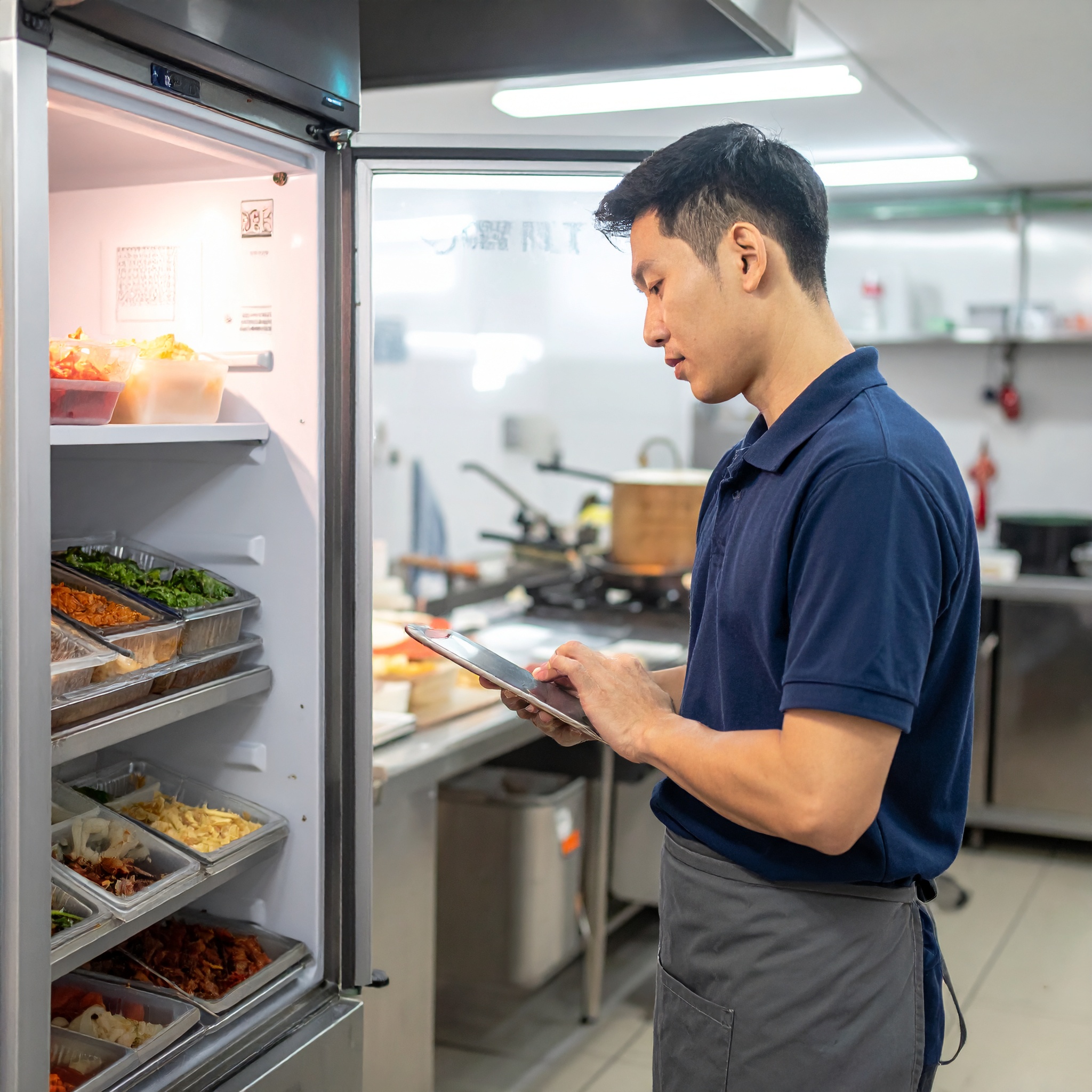
How Digital Food Safety Systems Are Reclaiming Millions in Labour Costs Across the Asia Pacific Region
The business case for digital food safety management systems is often presented in terms of risk reduction — the incidents avoided, the audits passed, the regulatory penalties not incurred. These are real and significant benefits. But for operations directors, CFOs, and finance teams evaluating the investment, the more immediately compelling case is the one that…
-
Managing Food Safety Across Multiple Convenience Retail Locations in Southeast Asia
Operating a convenience retail network across multiple locations in Southeast Asia presents food safety compliance challenges that are distinct from those facing single-site operators. The combination of high product volume, continuous food display requirements, high staff turnover, and the operational complexity of managing compliance across many sites simultaneously creates a compliance environment where manual systems…
-
Food Safety Compliance for Convenience Stores in Thailand — What Operators Need to Know
Thailand’s convenience store sector is one of the most developed in Southeast Asia. With major chains including 7-Eleven, Lawson, and CJ Mart operating thousands of locations across the country — in urban centres, suburban areas, petrol stations, transport hubs, and rural communities — the convenience retail format has become embedded in the daily food purchasing…
-
Thailand FDA Food Safety Requirements — What F&B Operators Need to Know
Food safety regulation in Thailand operates through a framework that has evolved significantly over the past decade, driven by Thailand’s commitment to ASEAN food safety harmonisation initiatives, growing export market requirements, and increasing domestic awareness of foodborne illness risk. For F&B operators — whether running a single restaurant, a hotel food service operation, a QSR…
-
Food Safety Management for Bakery and Food Production Facilities in Thailand
Thailand’s bakery and food production sector has expanded significantly over the past decade, driven by growing domestic consumption, a thriving food export industry, and the increasing presence of international bakery chains and artisan producers across Bangkok and major regional cities. The sector now ranges from small independent bakeries serving local neighbourhoods to large-scale production facilities…
-
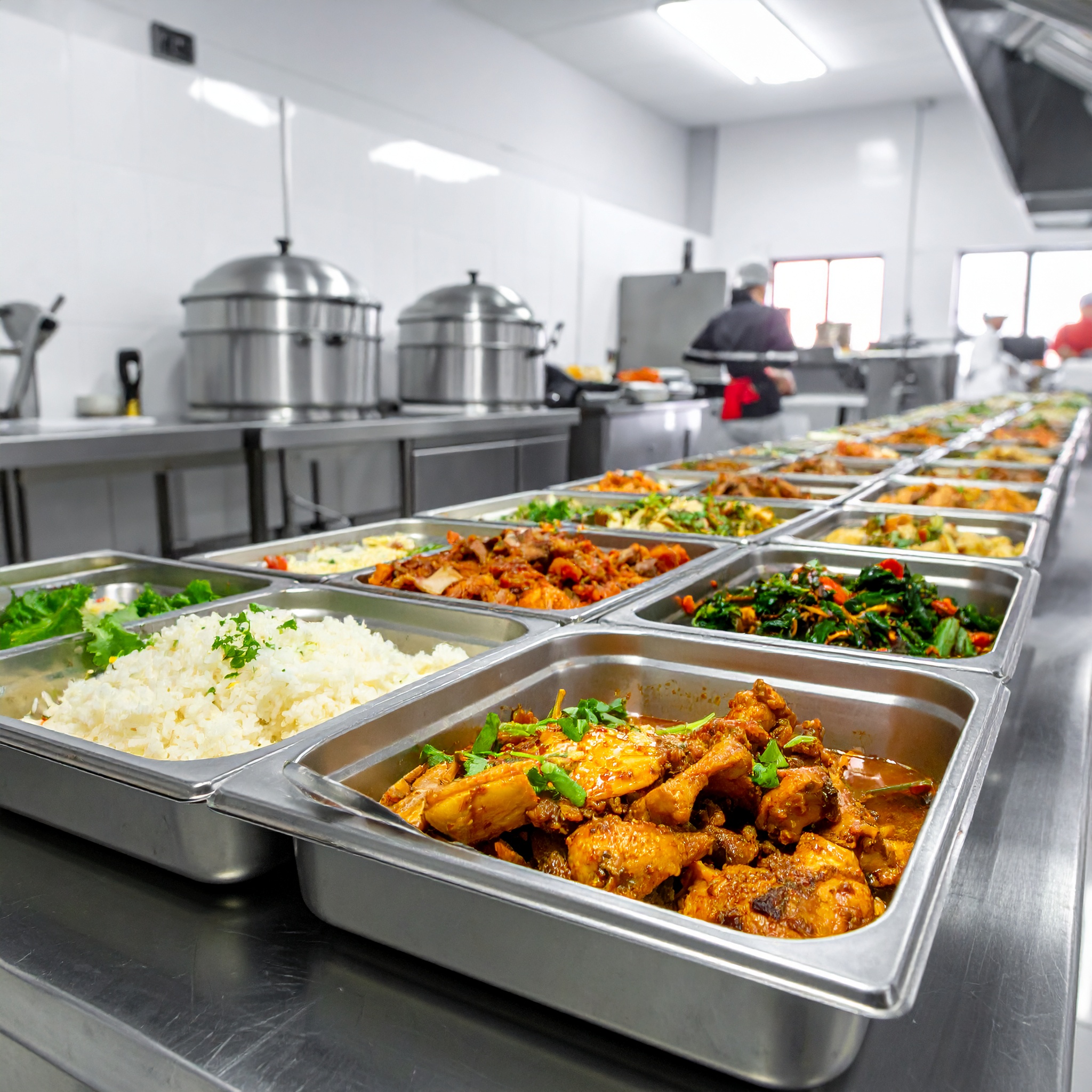
Why High-Volume Catering Operations Are the Highest Food Safety Risk in the Region
Of all the food service environments operating across Southeast Asia, high-volume catering operations represent the most concentrated combination of food safety risk factors. Scale, mobility, variable environments, compressed timelines, and the amplifying effect of serving large numbers of people simultaneously create conditions where a single compliance failure can produce a public health event that affects…
-
Food Safety Compliance for Catering Operations in Southeast Asia
Catering operations occupy a unique and particularly challenging position in the food safety compliance landscape of Southeast Asia. Unlike fixed-site food service operations where equipment, staff, and processes are stable and auditable, catering involves variable environments, temporary setups, transport across multiple locations, and compressed timelines that create conditions where food safety risk is elevated at…
-

How QSR Operators in Thailand Are Replacing Paper Checklists With Real-Time Compliance
The paper checklist has been the default tool of food safety compliance in Thailand’s quick service restaurant sector for decades. It is familiar, inexpensive, and requires no technology infrastructure. It is also, by 2026, one of the most significant operational liabilities a QSR operator can carry. The shift away from paper checklists to real-time digital…
-
Food Safety Software for Restaurant Franchises in Thailand — A Buyer’s Guide
Choosing a food safety management platform for a restaurant franchise network in Thailand is not the same decision as choosing one for a single-site independent operator. The requirements are different, the stakes are higher, and the features that matter most are often not the ones that appear first in a software vendor’s marketing materials. This…
-

HACCP Compliance for QSR Chains in Southeast Asia — The Multi-Site Challenge
Southeast Asia’s quick service restaurant sector is in the middle of a decade-long expansion that shows no sign of slowing. The regional fast food market reached USD 31.1 billion in 2024 and is projected to reach USD 63.1 billion by 2033, driven by urbanisation, rising disposable incomes, and the continued growth of both global franchise…
-
How Thailand’s Leading Hotel Groups Are Moving From Paper to Digital Food Safety
The shift from paper-based to digital food safety management is not a future trend in Thailand’s hotel sector. It is happening now, driven by international brand standards, increasing regulatory scrutiny, and the operational reality that manual compliance systems cannot scale alongside the growth ambitions of the hotels using them. The properties making this transition are…
-

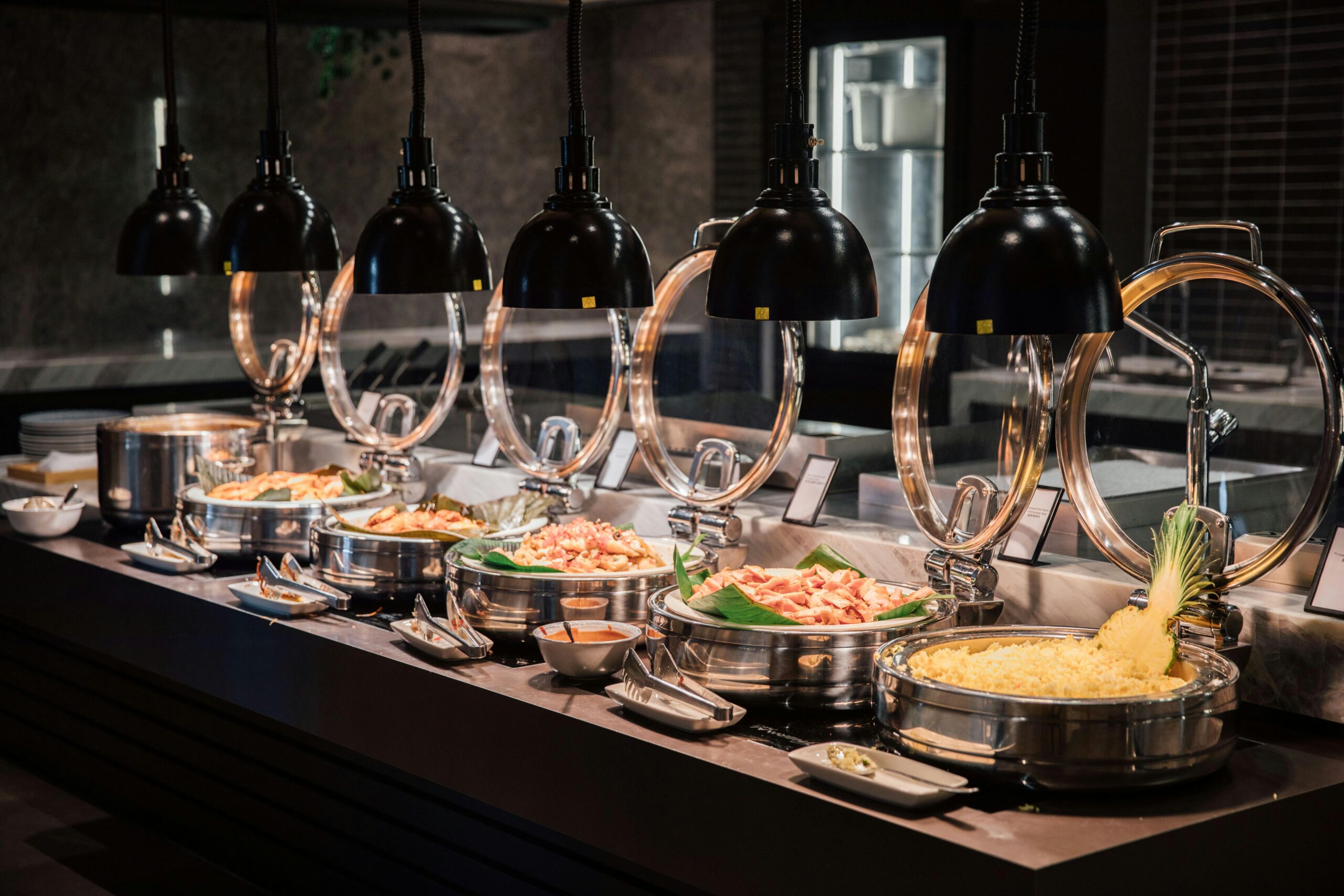
Why Hotel Buffet Food Safety Failures Happen and How to Prevent Them
The hotel buffet is one of the highest-risk food service environments in the hospitality industry. It combines high volume, extended service periods, multiple food categories, constant replenishment cycles, and significant guest interaction — all in a setting where temperature control is both critical and difficult to maintain consistently. In Thailand, where the tropical climate creates…