


Why Hotel Buffet Food Safety Failures Happen and How to Prevent Them
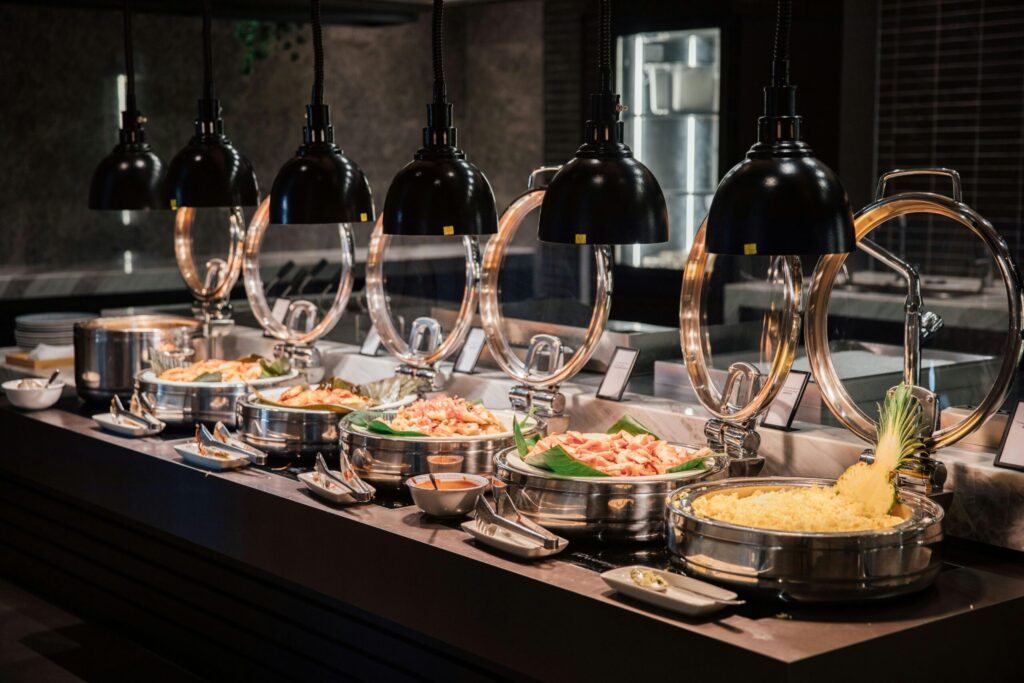
The hotel buffet is one of the highest-risk food service environments in the hospitality industry. It combines high volume, extended service periods, multiple food categories, constant replenishment cycles, and significant guest interaction — all in a setting where temperature control is both critical and difficult to maintain consistently.
In Thailand, where the tropical climate creates ambient temperatures that accelerate bacterial growth, and where hotel F&B operations frequently serve large numbers of international guests with varying immune resilience, the stakes are particularly high. A single food safety failure at a buffet service can result in multiple guests becoming unwell simultaneously — the kind of incident that generates media attention, triggers regulatory investigation, and damages a hotel’s reputation in ways that take years to recover from.
Understanding why buffet food safety failures happen is the first step toward preventing them.
The Root Causes of Buffet Food Safety Failures
The causes of buffet food safety incidents are well understood by anyone who has spent time managing hotel F&B operations. They are not mysteries. They are predictable failures that occur when systems are inadequate, under pressure, or absent.
Temperature drift is the most common and most preventable. Hot food must be held above 60 degrees Celsius. Cold food must be held below 5 degrees Celsius. In a buffet environment, those parameters are under constant threat from equipment failure, high ambient temperatures, and the natural cooling or warming that occurs during extended service periods. Without real-time monitoring, temperature drift goes undetected until food has already been held in the danger zone long enough to represent a genuine health risk.
Replenishment gaps are the second major cause. When a bain-marie runs low and is refilled with food at the wrong temperature, or when cold display items are topped up from room-temperature storage without adequate chilling time, the temperature of the entire display can be compromised in minutes. Without systematic monitoring and alerts, this happens without the team being aware of it.
Staff knowledge gaps are the third. In high-turnover hotel environments, not every team member working a buffet service has received adequate training on temperature critical control points, the danger zone, or the correct response to a temperature breach. A gap in knowledge becomes a gap in compliance.
Manual record-keeping failure is the fourth. When temperature checks are recorded manually on paper logs, several failure modes emerge. Checks get missed during busy service periods and recorded retrospectively. Readings are estimated rather than measured. And in some cases, logs are completed in advance or altered to avoid the administrative consequence of recording a breach.
What WHO Data Tells Us
The World Health Organization estimates that 60 percent of foodborne illness incidents stem from improper temperature control and poor food handling practices. For buffet operations, where food is held at serving temperature for extended periods and handled by multiple staff members across a service, these risk factors are compounded.
In Southeast Asia, where foodborne illness surveillance data indicates significant underreporting due to limited healthcare access and awareness, the true incidence of food safety incidents at hotel buffets is almost certainly higher than formal reporting suggests. The incidents that become visible are the ones severe enough to require medical attention or generate complaints — the majority are absorbed as unexplained guest illness that never gets attributed to its source.
The Prevention Framework
Preventing buffet food safety failures requires a system that addresses each of the root causes identified above. That system has four components.
Continuous temperature monitoring replaces periodic manual checks with real-time data. Wireless sensors placed in bain-maries, cold display units, and food storage areas transmit temperature readings continuously and trigger immediate alerts when readings drift outside safe parameters. The team is notified before the food has been compromised, not after.
Digital task management ensures that every required action — temperature checks, replenishment verification, equipment cleaning, food rotation — is assigned, tracked, and recorded in real time. Tasks cannot be marked complete without being performed. Records are timestamped automatically. The system does not rely on individual staff members choosing to comply.
Automated documentation eliminates the human failure modes associated with paper records. Every temperature reading, every alert, every corrective action is captured digitally and stored in an auditable format that accurately reflects what happened during the service period.
Visibility for supervisors and management means that the F&B Director, the Executive Chef, or the General Manager can see the compliance status of the entire buffet operation from any device, at any time, without needing to be physically present. Anomalies are visible in real time rather than discovered after the fact.
The Operational Reality
For hotel properties in Thailand operating buffets across breakfast, lunch, and dinner services — potentially across multiple outlets and event spaces — the volume of temperature monitoring points can range from 30 to more than 100 depending on the scale of the operation. Managing that manually is not sustainable in a high-turnover staffing environment.
The properties that have eliminated buffet food safety failures as a recurring operational concern are the ones that have removed the dependency on individual staff behaviour and replaced it with a system that makes correct practice the path of least resistance. The sensor monitors the temperature. The platform sends the alert. The staff member responds. The record is created automatically.
The incident that does not happen generates no media coverage, no regulatory inquiry, and no reputational damage. It also generates no guest illness. In a market as competitive as Thailand’s hotel sector, where a single negative story can travel globally in hours, that is a business outcome worth investing in.
Taking Action
For hotel F&B teams looking to strengthen buffet food safety compliance, the starting point is a clear-eyed assessment of current systems against the four root causes identified above. Where temperature monitoring is periodic rather than continuous, where records are paper-based rather than digital, and where supervisory visibility depends on physical presence, the gaps are predictable and the remediation is straightforward.
- Audit your current buffet monitoring approach — how frequently are temperatures checked, and how are readings recorded?
- Identify the highest-risk points in your buffet service — which stations are most vulnerable to temperature drift?
- Assess your team’s knowledge of temperature critical control points and the correct response to a breach.
- Evaluate whether your current records would be defensible in the event of a regulatory investigation or guest complaint.
The answers to those questions will tell you where to focus. The technology to address the gaps is available, deployable without disrupting existing operations, and cost-effective when measured against the alternative.
Want to see how real-time temperature monitoring works in a hotel buffet environment? Book a demo with the Squizify team.
เหตุใดบุฟเฟ่ต์โรงแรมจึงเกิดความล้มเหลวด้านความปลอดภัยของอาหาร และวิธีป้องกัน
บุฟเฟ่ต์โรงแรมเป็นหนึ่งในสภาพแวดล้อมการให้บริการอาหารที่มีความเสี่ยงสูงที่สุดในอุตสาหกรรมการบริการ มันรวมปริมาณมาก ระยะเวลาให้บริการที่ยาวนาน หมวดหมู่อาหารหลายประเภท วงจรการเติมสินค้าอย่างต่อเนื่อง และการมีปฏิสัมพันธ์กับแขกจำนวนมาก ในสภาพแวดล้อมที่การควบคุมอุณหภูมิทั้งมีความสำคัญและยากต่อการรักษาอย่างสม่ำเสมอ
ในประเทศไทย ซึ่งสภาพอากาศเขตร้อนสร้างอุณหภูมิแวดล้อมที่เร่งการเจริญเติบโตของแบคทีเรีย และการดำเนินงานด้านอาหารและเครื่องดื่มของโรงแรมมักให้บริการแขกต่างชาติจำนวนมากที่มีภูมิคุ้มกันแตกต่างกัน ความเสี่ยงสูงเป็นพิเศษ ความล้มเหลวด้านความปลอดภัยของอาหารเพียงครั้งเดียวที่บริการบุฟเฟ่ต์อาจส่งผลให้แขกหลายคนเจ็บป่วยพร้อมกัน ซึ่งเป็นเหตุการณ์ที่สร้างความสนใจจากสื่อ กระตุ้นการสอบสวนของหน่วยงานกำกับดูแล และทำลายชื่อเสียงของโรงแรมในแบบที่ต้องใช้เวลาหลายปีในการฟื้นฟู
สาเหตุหลักของความล้มเหลวด้านความปลอดภัยของบุฟเฟ่ต์
การเลื่อนของอุณหภูมิเป็นสาเหตุที่พบบ่อยที่สุดและป้องกันได้มากที่สุด อาหารร้อนต้องเก็บไว้ที่อุณหภูมิสูงกว่า 60 องศาเซลเซียส อาหารเย็นต้องเก็บไว้ที่อุณหภูมิต่ำกว่า 5 องศาเซลเซียส โดยไม่มีการติดตามแบบเรียลไทม์ การเลื่อนของอุณหภูมิจะไม่ถูกตรวจพบจนกว่าอาหารจะอยู่ในโซนอันตรายนานพอที่จะเป็นความเสี่ยงด้านสุขภาพที่แท้จริง
ช่องว่างการเติมสินค้าเป็นสาเหตุหลักที่สอง เมื่อเครื่องทำความร้อนอาหารเริ่มขาดและถูกเติมด้วยอาหารที่อุณหภูมิไม่ถูกต้อง หรือเมื่อรายการแสดงผลเย็นถูกเติมจากการจัดเก็บที่อุณหภูมิห้องโดยไม่มีเวลาแช่เย็นที่เพียงพอ อุณหภูมิของการแสดงผลทั้งหมดอาจถูกประนีประนอมภายในไม่กี่นาที
ช่องว่างความรู้ของพนักงานเป็นสาเหตุที่สาม ในสภาพแวดล้อมโรงแรมที่มีการหมุนเวียนสูง ไม่ใช่ทุกสมาชิกในทีมที่ทำงานบริการบุฟเฟ่ต์ได้รับการฝึกอบรมที่เพียงพอเกี่ยวกับจุดควบคุมวิกฤตด้านอุณหภูมิ โซนอันตราย หรือการตอบสนองที่ถูกต้องต่อการละเมิดอุณหภูมิ
ความล้มเหลวในการบันทึกด้วยมือเป็นสาเหตุที่สี่ เมื่อการตรวจสอบอุณหภูมิถูกบันทึกด้วยตนเองในบันทึกกระดาษ โหมดความล้มเหลวหลายอย่างเกิดขึ้น การตรวจสอบถูกพลาดในช่วงให้บริการที่มีผู้ใช้งานหนาแน่นและบันทึกย้อนหลัง การอ่านค่าถูกประมาณแทนที่จะวัด และในบางกรณี บันทึกถูกกรอกล่วงหน้าหรือแก้ไขเพื่อหลีกเลี่ยงผลที่ตามมาจากการบันทึกการละเมิด
กรอบการป้องกัน
การป้องกันความล้มเหลวด้านความปลอดภัยของบุฟเฟ่ต์ต้องการระบบที่แก้ไขสาเหตุหลักแต่ละอย่างที่ระบุข้างต้น ระบบนั้นมีสี่องค์ประกอบ
การติดตามอุณหภูมิอย่างต่อเนื่องแทนที่การตรวจสอบด้วยมือเป็นระยะๆ ด้วยข้อมูลแบบเรียลไทม์ เซ็นเซอร์ไร้สายที่วางในอ่างน้ำ หน่วยแสดงผลเย็น และพื้นที่จัดเก็บอาหารส่งข้อมูลการอ่านอุณหภูมิอย่างต่อเนื่องและกระตุ้นการแจ้งเตือนทันทีเมื่อการอ่านค่าเลื่อนออกนอกพารามิเตอร์ที่ปลอดภัย
การจัดการงานดิจิทัลทำให้มั่นใจว่าทุกการดำเนินการที่จำเป็นได้รับการมอบหมาย ติดตาม และบันทึกแบบเรียลไทม์ งานไม่สามารถทำเครื่องหมายว่าเสร็จสิ้นโดยไม่ได้ดำเนินการ บันทึกถูกประทับเวลาโดยอัตโนมัติ
เอกสารอัตโนมัติกำจัดโหมดความล้มเหลวของมนุษย์ที่เกี่ยวข้องกับบันทึกกระดาษ การอ่านอุณหภูมิทุกครั้ง การแจ้งเตือนทุกครั้ง และการดำเนินการแก้ไขทุกครั้งถูกบันทึกแบบดิจิทัลและจัดเก็บในรูปแบบที่ตรวจสอบได้
การมองเห็นสำหรับหัวหน้างานและผู้บริหารหมายความว่าผู้อำนวยการ F&B ผู้บริหารการครัว หรือผู้จัดการทั่วไปสามารถดูสถานะการปฏิบัติตามมาตรฐานของการดำเนินงานบุฟเฟ่ต์ทั้งหมดจากอุปกรณ์ใดก็ได้ ตลอดเวลา โดยไม่ต้องอยู่ที่นั่นทางกายภาพ
การดำเนินการ
ประเมินว่าบันทึกปัจจุบันของคุณจะสามารถป้องกันได้หรือไม่ในกรณีที่มีการสอบสวนจากหน่วยงานกำกับดูแลหรือข้อร้องเรียนจากแขก
ตรวจสอบแนวทางการติดตามบุฟเฟ่ต์ปัจจุบันของคุณ — ตรวจสอบอุณหภูมิบ่อยเพียงใด และบันทึกการอ่านค่าอย่างไร?
ระบุจุดที่มีความเสี่ยงสูงสุดในบริการบุฟเฟ่ต์ของคุณ — สถานีใดที่เสี่ยงต่อการเลื่อนของอุณหภูมิมากที่สุด?
ประเมินความรู้ของทีมเกี่ยวกับจุดควบคุมวิกฤตด้านอุณหภูมิและการตอบสนองที่ถูกต้องต่อการละเมิด
ต้องการดูว่าการติดตามอุณหภูมิแบบเรียลไทม์ทำงานอย่างไรในสภาพแวดล้อมบุฟเฟ่ต์โรงแรม? จองการสาธิตกับทีม Squizify