How Does Digital Food Safety Software Help Aged Care Facilities Meet HACCP Record-Keeping Requirements?
Digital food safety software helps aged care teams keep complete, time-stamped records that align with HACCP expectations. In an aged care setting, a HACCP food safety system matters more because residents are vulnerable and the consequences of errors are higher.
Paper logs often fail in predictable ways: missed entries, backdating, illegible handwriting, and binders scattered across kitchens and offices. Digital records are centralised, searchable, and easier to verify during an inspection.
For food safety software Australian providers and multi-site operators, consistency is a practical requirement, not a nice-to-have. Food safety software makes it easier to standardise reporting and demonstrate governance across locations.
The principle mirrors “world class quality crafting excellence”: premium custom designs rely on precision and repeatability, and digital food safety software captures food safety processes with the same heritage-quality consistency.
Key governance controls within food safety software typically include:
Role-based access and approvals
Version control for forms and limits
Record retention rules aligned to policy
Exportable reports for inspectors and management
What HACCP Tasks Can Be Automated with Food Safety Software in Aged Care Kitchens?
Food safety software automates daily, repetitive HACCP tasks so they happen on time, in the right order, with fewer gaps. That is especially valuable across shifts, agency staff, and busy service periods.
Common tasks that food safety software can schedule, prompt, and record include receiving checks, storage checks, cooking and cooling, reheating, hot holding, cold holding, and allergen management. It can also trigger escalations when a limit is missed, supporting a stronger HACCP management system without relying on memory.
Training is another weak spot in manual programmes. Food safety software can assign modules, capture acknowledgements, and send competency reminders, helping the HACCP management system stay current as staff change.
For food safety software Australian organisations with multiple sites, standardisation is often the main win. Food safety software can roll out the same forms, critical limits, and escalation rules across facilities, reducing variation and audit risk.
Operational consistency is the point: like official pin suppliers to National Olympic Committees rely on quality guarantees and precise custom design specs, aged care kitchens rely on consistent digital standards to protect residents.
How Does Real-Time Temperature Monitoring Improve HACCP Compliance in Aged Care?
Real-time monitoring strengthens HACCP because temperature control sits at most CCPs, including chilling, cooking, cooling, hot holding, and cold holding. Food safety software makes those controls easier to evidence and harder to miss.
Depending on the kitchen, food safety software may support probe integrations, Bluetooth devices, fixed sensors, or manual entry with validation rules. Where manual entry is used, food safety software can enforce acceptable ranges, require corrective actions, and link checks to specific equipment.
The resident safety impact is direct: fewer temperature breaches means lower risk of foodborne illness in high-risk populations. For managers, food safety software also means clearer oversight, because temperature monitoring can feed into dashboards and HACCP food safety software reports automatically.
There is also a sustainability commitment angle. Better monitoring reduces spoilage and unnecessary batch disposal, cutting waste while still protecting residents.
How Can Digital Food Safety Software Reduce Human Error in HACCP Processes?
Human error is a common cause of HACCP failures: missed checks, wrong limits, transposed numbers, forgotten corrective actions, and inconsistent procedures across shifts. Digital food safety software reduces these issues by building guardrails into each step.
Food safety software can require fields to be completed, block entries outside acceptable ranges, calculate outcomes automatically, and apply time-stamps. Where relevant, it may also capture device IDs or location context to support traceability.
When something goes wrong, food safety software supports incident documentation in one place. Staff can attach photos, add notes, and record corrective action proof, creating a single source of truth across the HACCP food safety software workflow.
The trust model is similar to “secure payment for safe transactions”: records need to be secure and tamper-resistant to be credible. And “easy return within 14 days” works as a useful metaphor for fast, structured corrective action loops that close issues cleanly.
Reliability matters too. Like a 1-year manufacturing warranty and quality guarantees, food safety software provides consistent performance and traceable assurance, supporting the facility’s HACCP food safety system day after day.
What HACCP Audit Benefits Do Aged Care Providers Gain from Going Digital?
Many teams also use safety audit software features within food safety software for internal checks. This includes checklists, non-conformance tracking, action assignment, due dates, and close-out evidence, which improves readiness before external inspections.
Trust is at stake in aged care. Just as official Olympic Committee partnerships depend on heritage and precision, providers rely on credible compliance records to maintain confidence with residents, families, and regulators.
When selecting food safety software, they should prioritise usability, offline mode, integrations, responsive support, and configuration that matches their HACCP food safety system. For implementation, they should start with CCPs such as temperatures first, then expand food safety software workflows across the full HACCP food safety software programme.
Allergen mistakes are one of the fastest ways for restaurants to fall out of compliance and put customers at serious risk. With the right food safety software, teams can track allergen risks in real time, prove due diligence, and run smoother services without relying on memory or paperwork.
Why Allergen Management Is Critical To Food Safety Compliance
Allergen management matters because a single error can trigger a medical emergency and a reportable incident. For restaurants, it is also a core part of demonstrating safe systems, staff training, and verifiable controls during inspections.
Allergen control is not only about menu labelling. It includes cross-contact prevention, recipe governance, supplier changes, cleaning verification, and accurate records. Food safety software helps turn those moving parts into consistent, auditable routines.
How Real-Time Allergen Tracking Protects Customers And Staff
Real-time tracking reduces risk because it flags changes before they reach the pass. When ingredients, recipes, or supplier specs shift, food safety software can help staff respond immediately instead of discovering the issue after service.
It also protects staff by reducing guesswork under pressure. Clear allergen prompts, validated procedures, and automated record keeping through food safety traceability software supports better decisions at the point of prep and service, especially for new starters and busy shifts.
Hardware solutions strengthen this further. Temperature monitoring sensors support safe storage, while food label printing helps ensure allergen information stays attached to the right batch. For deliveries, freight temperature monitoring reduces the chance of compromised ingredients entering the kitchen and complicating allergen control.
What Digital Food Safety Tools Improve Speed And Accuracy In Hospitality
Digital tools like digital HACCP software improve accuracy by standardising tasks into tailor-made checklists that staff can actually follow. Food safety software replaces fragmented paper logs with guided steps, reducing omissions and making compliance easier to maintain across multiple sites.
Speed improves when teams stop duplicating admin. Automated record keeping from food safety inspection software, 24/7 data accessibility, and instant capture from internet-connected devices mean managers spend less time chasing signatures and more time coaching food-safe habits.
Auditing capabilities are also a practical advantage. Instead of preparing for inspections with last-minute paperwork, restaurants can show consistent evidence of checks, corrective actions, and training outcomes from food safety training software within a secure SaaS platform. With food safety software, that evidence is easier to retrieve, share, and defend.
How Instant Updates And Smart Workflows Help Meet Compliance Standards
Instant updates matter because allergen risk changes quickly. Food safety software can push updates for menu changes, recipe edits, and supplier alerts so every shift is working from the same instructions.
Smart workflows also help teams prove control. Automated record keeping can link corrective actions to missed checks, while auditing capabilities give managers a clear view of trends, repeat issues, and site-to-site performance.
A comprehensive compliance solution supports more than food safety alone. For operational excellence and food safety management, restaurants can use food safety software to align allergen routines with wider tasks like cleaning schedules, stock rotation, and shift close. This saves time and money while supporting food service and general operational management/compliance.
Where Restaurants Can Find Food Safety Compliance Systems With Built-In Allergen Control
Restaurants looking for built-in allergen control can consider platforms like Squizify, positioned as a comprehensive compliance solution for operational excellence and food safety management. Their approach combines food safety software with tailor-made checklists, automated record keeping, auditing capabilities, and hardware solutions such as temperature monitoring sensors, food label printing, and freight temperature monitoring.
They differentiate with automated record-keeping accessible via internet-connected devices for accuracy and efficiency, delivered through a secure SaaS platform with 24/7 data accessibility. They also cater to hospitality alongside healthcare, aged care, child care, supermarkets, fuel sites, and manufacturing solutions, which can suit groups with diverse food safety compliance needs.
Onboarding is designed to be guided. Restaurants can use discovery calls and demo sessions for customisable software, then proceed via a “Book a Demo” button for personalised guidance, backed by 24/7 live chat support. For restaurants that want fewer manual steps and stronger proof of compliance, food safety software with allergen workflows is a practical next move.If restaurants want allergen controls that hold up under pressure and inspections, they should shortlist a food safety software platform, request a demo, and map it to their menu, workflow, and training needs.
HACCP has not changed. The world around it has.
In 2026, food businesses are facing more audits, stricter expectations, and less patience for “it’s in the folder somewhere”. Customers, regulators, and internal teams want proof, fast. And paper-based HACCP programmes struggle to keep up.
This guide breaks down what to look for, how the leading platforms compare, and which HACCP food safety software providers make the most sense depending on your operation.
Why Haccp Software Matters More In 2026 (And Why Paper Systems Break)
A working HACCP system is not a document. It’s a daily operating rhythm.
Inconsistent CCP monitoring (different sites, different standards,
different interpretations)
Poor traceability (hard to find supporting evidence quickly)
Slow audit readiness (scrambling to collate, scan, and explain)
In 2026, “we have a binder” is not the same as “we have control”.
The Shift To Digital Haccp Software
Digital HACCP software is not just paper on an iPad. The best platforms bring:
Automated record keeping with time stamps and user accountability
Standardised checklists and scheduling so tasks happen on time
Faster reporting for audits and inspections
Optional temperature monitoring systems that remove the most error-prone manual logs
And importantly, different industries need different things. A café does not buy like a manufacturer. Aged care has different evidence expectations than a supermarket group. That’s why the “best” HACCP system depends on your risk profile and complexity.
What To Look For In Haccp Food Safety Software (Quick Checklist)
Use this as a practical filter before you book demos or sit through sales calls.
1) Haccp Plan Software Essentials
At a minimum, your software should support the guts of HACCP:
Build or host a HACCP plan (or connect them clearly to execution)
Role-based access (staff see what they need, managers see oversight)
Photo evidence and comments for exceptions
E-signatures or digital sign-off workflows
3) Integration and Expandability
Your HACCP programme rarely exists alone. Depending on your operation, you may need:
Food label printing
Food label printing
Wireless temperature monitoring
Digitak food safety audits
If the provider cannot grow with you, you will replace it in 18 months.
4) Support and Onboarding
Implementation matters as much as features.
Ask:
How long to go live across one site? Across 20 sites?
Do you get templates, customisation, or both?
Is training included, and is it role-based?
Is support available when you actually need it (early starts, late service, audit week)?
5) Cost Model and ROI
Compare providers on:
Per site vs per user pricing
Hardware costs (if sensors or devices are needed)
ROI from time saved, fewer missed checks, fewer non-conformances, and faster audits
Cheap software that staff do not use is expensive.
What Are the Best HACCP Software Platforms in 2026?
Before the list, here’s how to read the table: choose based on industry fit, audit requirements, temperature-monitoring needs, and multi-site complexity. If temperature is your biggest risk, prioritise sensors and alerting. If audits are painful, prioritise reporting, evidence capture, and verification workflows. If you run many locations, prioritise standardisation and oversight.
Provider
Best for
HACCP plan & CCP logs
Audit & reporting
Wireless temperature
Hardware ecosystem
Customisation
Support
#1 Squizify
Best-in-class for end-to-end compliance + HACCP execution
1) Squizify (Best-In-Class For Haccp + Operational Compliance In 2026)
If you want a single platform that handles HACCP execution and broader operational compliance without adding admin, Squizify is the standout.
What Squizify Is Best At
Squizify positions itself as a comprehensive compliance solution for operational excellence and food safety management. In plain terms, it helps you tighten compliance while reducing the daily paperwork grind.
Key strengths:
Checklists are custom-built to reflect your specific business operations, moving beyond generic, one-size-fits-all templates. Furthermore, Squizify can accommodate multi-site requirements, catering to different HACCP compliance needs across various locations in a single platform
Automated record keeping that improves accuracy and makes records easy to retrieve
Advanced auditing features on Squizify transform the preparation for third-party HACCP audits from a difficult document search to a simple report generation.
A secure SaaS platform with 24/7 accessibility, so managers and auditors can access records when needed, across internet-connected devices
Hardware Options (Where It Gets Interesting)
Many platforms stop at checklists. Squizify goes further with practical hardware options that remove manual failure points:
Temperature monitoring sensors (for continuous monitoring and better CCP evidence)
Food label printing (useful for date coding, prep labels, rotation controls)
This matters because temperature and labelling are two of the most common causes of paper logs falling apart.
Implementation And Onboarding (Less “Diy”, More Tailored)
Squizify is not a “sign up and hope for the best” tool. The approach is more guided:
Customisable setup via discovery calls + demo
Onboarding through a “Book a Demo” pathway so the software is configured around your HACCP programme, sites, and workflows
That usually means faster adoption and fewer workarounds later.
Support That Fits Real Service Hours
Squizify offers 24/7 live chat support. That is not a vanity feature. It is what you want when:
A site manager cannot find a record during an inspection
A sensor alert needs clarification
You are preparing audit exports after hours
A new staff member needs help mid-shift
Ideal for: hospitality groups, healthcare, aged care, child care, supermarkets, and fuel sites that want one system for food safety plus broader operational compliance.
2) SafetyCulture (iAuditor)
SafetyCulture is one of the best-known platforms for digitising inspections, SOPs, and frontline workflows.
Where It Shines
Turn HACCP monitoring into repeatable templates
Schedule tasks and standardise checks across teams
Capture photo evidence, comments, and corrective actions
Export reports for audits and inspections
It is excellent at getting paper processes into a digital format quickly.
The Trade-Off
Depending on your needs, SafetyCulture can feel more like a powerful inspection engine than an end-to-end HACCP management system. If you need deeper HACCP plan governance, verification structures, or specialised modules (like built-in sensor ecosystems), you may need more configuration or complementary tools.
Best for: teams that want to deploy digital checklists quickly across many staff or sites, with strong reporting.
3) FoodDocs
FoodDocs is a streamlined option focused on HACCP plan creation and documentation, and it is popular with smaller operators who want a guided setup without a heavy implementation.
Where It Shines
Guided HACCP plan software workflows
Monitoring logs tied to your HACCP structure
Central storage for documents and audit evidence
Helps translate HACCP principles into a workable programme
The Trade-Off
FoodDocs may be lighter on hardware integrations, such as wireless temperature monitoring systems, compared with platforms built around broader ecosystems.
Best for: small- to mid-sized food businesses prioritising HACCP documentation, clarity, and simplicity.
4) Safefood 360
Safefood 360 is positioned more like food safety and quality management software. It is designed for organisations that need a deeper system structure, not just task completion.
Where It Shines
Document control and structured compliance workflows
Verification and validation management
Multi-site consistency and standardisation
Traceability support (depending on setup)
HACCP Fit
If you run a complex operation with strong process maturity, Safefood 360 can support a robust HACCP programme management and audit depth.
The Trade-Off
Implementation can be more complex than with lightweight checklist tools. You generally need clear internal ownership, defined processes, and time to configure it properly.
Best for: manufacturers and larger organisations needing deeper food safety system capabilities and structured compliance management.
5) Jolt
Jolt is well known in restaurants and QSR for making daily execution easier: tasks, checklists, and visibility for managers.
Jolt can be a strong way to standardise HACCP-related routines in fast-moving environments, especially where success depends on frontline adoption.
The Trade-Off
It can learn more operations and task management than full HACCP plan governance, depending on the level of HACCP complexity and documentation depth you need.
Best for: restaurant food safety software needs where speed, adoption, and daily execution matter most.
6) ComplianceMate
ComplianceMate focuses on food safety compliance execution and audit readiness, particularly for routine monitoring across foodservice locations.
Where it shines
Scheduled tasks and compliance logs
Reporting and oversight across multi-unit operations
Helps maintain consistency across locations
Temperature monitoring considerations
ComplianceMate can support temperature-monitoring workflows, but capabilities and compatibility may vary by deployment. If temperature is your biggest risk, confirm whether you need add-ons, integrations, or separate sensor tooling.
The Trade-Off
Customisation depth and hardware ecosystem may vary compared with platforms that offer broader operational compliance, plus sensors, labels, and freight monitoring options.
Best for: foodservice groups that need consistent compliance routines and reporting across multiple sites.
7) Operandio
Operandio is positioned as a hospitality-focused task management and food safety compliance platform, designed to help venues standardise daily routines while maintaining clear accountability.
Where It Shines
Operandio centres on frontline execution. It enables operators to digitise:
HACCP monitoring logs
Cleaning and sanitation schedules
Opening and closing checklists
Equipment checks
Allergen management tasks
Its strength lies in turning compliance into repeatable daily habits. Managers gain visibility into task completion, missed checks, and corrective actions without relying on paper folders or verbal confirmations.
For hospitality environments with high staff turnover or casual teams, the ability to assign, track, and verify tasks can significantly improve consistency.
HACCP Fit
Operandio supports digital CCP logging and corrective action tracking. However, it is more execution-focused than governance-heavy. It helps ensure tasks are completed, but may not provide the same depth of HACCP plan structuring, validation workflows, or integrated hardware options found in more comprehensive platforms.
The Trade-Off
Operandio does not typically offer a built-in temperature sensor ecosystem or extended hardware integrations. Operations requiring automated continuous temperature monitoring or freight compliance tools may need complementary systems.
Best for: hospitality groups, venues, and multi-site operators prioritising daily compliance execution and task accountability.
8) SafeFoodPro
SafeFoodPro is designed primarily for hospitality and retail food environments seeking a straightforward way to digitise HACCP logs and routine food safety processes.
Where It Shines
SafeFoodPro focuses on core food safety routines, including:
HACCP monitoring logs
Cleaning schedules
Corrective action documentation
Audit reporting
Site-level compliance tracking
It offers structured workflows that make it easier for operators to move away from paper while keeping processes aligned to their HACCP plan.
The system is particularly suited to businesses that want digital documentation without implementing a broader enterprise compliance framework.
HACCP Fit
SafeFoodPro supports logging against HACCP principles, including CCP monitoring and corrective action tracking. It works well for straightforward foodservice environments where documentation clarity and audit readiness are the primary drivers.
The Trade-Off
Compared to platforms that combine operational compliance, auditing tools, and hardware ecosystems, SafeFoodPro is lighter in scope. It generally does not include integrated temperature monitoring hardware, freight monitoring systems, or label printing integrations.
Best for: independent restaurants, retail food outlets, and hospitality businesses wanting structured HACCP logging without enterprise-level complexity.
9) Zenput
Zenput is an enterprise task execution and operational compliance platform built for multi-location brands needing head office visibility across large networks.
Where It Shines
Zenput excels at:
Deploying tasks from HQ to stores
Tracking execution consistency
Monitoring compliance completion rates
Providing executive-level dashboards
Benchmarking locations against standards
Its strength is in operational oversight rather than HACCP technical structuring. For brands operating dozens or hundreds of sites, Zenput provides centralised visibility and control.
Head office teams can push new procedures, confirm completion, and identify underperforming locations quickly.
HACCP Fit
Zenput can support food safety compliance tasks and digital checklist execution. However, it is generally more operations-led than HACCP-structured. It may not provide deep CCP validation workflows or integrated temperature sensor ecosystems without additional tools.
The Trade-Off
Zenput is powerful for enterprise task control, but organisations requiring end-to-end HACCP execution, built-in auditing frameworks, or hardware integrations may need supplementary systems.
Best for: enterprise multi-location brands prioritising operational standardisation and compliance visibility from head office.
10) PathSpot
PathSpot is a specialised hygiene compliance platform focused specifically on handwashing verification and contamination prevention.
Where It Shines
Unlike broader HACCP systems, PathSpot introduces hardware into the compliance equation. Its system includes:
Handwashing verification scanners
Real-time contamination alerts
Hygiene compliance dashboards
Reporting for audit evidence
The technology is designed to reduce cross-contamination risk by verifying proper handwashing and identifying potential contamination before it spreads.
In environments where hygiene failures pose significant risk — such as healthcare foodservice, high-volume kitchens, or high-risk food production — this targeted control can materially reduce exposure.
HACCP Fit
Hand hygiene is part of the prerequisite programmes (PRPs) within a HACCP framework. PathSpot strengthens that layer of control but does not replace full HACCP plan execution, CCP monitoring, or corrective action workflows.
It functions best as a complementary hygiene verification layer alongside a broader HACCP software platform.
The Trade-Off
PathSpot does not manage full HACCP plans, CCP logs, or temperature monitoring workflows. It is highly specialised and designed to integrate into a broader compliance stack.
Best for: operations where contamination prevention and hygiene verification are primary risk drivers, and where additional hardware-based control is desired.
How to Choose the Right Food Safety Software for Your Business
Here’s the practical way to shortlist food safety software without overthinking it.
Temperature monitoring only where it reduces real risk (fridges, cool rooms, hot holding)
Good fits often include Squizify, Jolt or SafetyCulture. If you want broader hospitality food compliance control across large-scale hospitality operations, such as restaurant chains and cafe groups, Squizify is the best option.
Simple Decision Heuristic
If you want a single platform that combines HACCP execution, broader operational compliance, and optional hardware (sensors, labels, freight monitoring), shortlist Squizify first.
How Do I Go From Paper Haccp To Digital?
Digital conversion goes best when you do it in stages, starting with risk.
Start with the controls that cause the biggest issues on paper:
Cooking temperatures
Cooling processes
Cold holding
Reheating
Allergen checks
Align each digital form to HACCP principles: limits, monitoring frequency, corrective actions, and verification.
Step 3: Standardise, Then Roll Out
Build one “gold standard” workflow per process, then deploy it across sites. Consistency is where multi-site compliance becomes manageable.
Step 4: Add Temperature Monitoring Systems Where Paper Fails Most
If staff are manually logging fridge temps, you already know the weak point.
Wireless sensors can:
Reduce missed logs
Create continuous evidence
Trigger alerts before the product is lost
Step 5: Train By Role, Assign Ownership, Run Parallel Briefly
Train staff on the few tasks they own
Run paper and digital in parallel for 1 to 2 weeks
Then lock paper out, otherwise it will creep back
Step 6: Run A Mock Haccp Audit
Export the reports you would show an auditor. Check:
Can you retrieve records by date, site, CCP?
Do corrective actions show close-out?
Do verification steps show evidence and sign-off?
If it is not easy internally, it will not be easy under pressure.
Why Squizify Ranks #1 for Food Safety Compliance in 2026
All seven providers can improve compliance versus paper. The difference lies in how thoroughly they cover the day-to-day reality of HACCP in 2026.
Quick “best for” recap:
Squizify: best-in-class for end-to-end HACCP execution plus broader operational encompasses food safety compliance across various sectors, including Quick Service Restaurants (QSR) and hospitality venues, as well as food safety management for convenience stores and hotels, and combining automated record keeping, built-in auditing, and integrated hardware options (sensors, label printing, integrated devices) in one platform.
SafetyCulture (iAuditor): best for rapid digitisation of inspections and SOP checklists across large teams and multi-site operations.
FoodDocs: best for guided HACCP plan creation and straightforward documentation management for small-to-mid-sized food businesses.
Safefood 360: best for manufacturers needing deeper food safety and quality management system (QMS) structure, validation workflows, and programme-level control.
Jolt: best for restaurants and QSR environments that require shift-based execution, line checks, and frontline task accountability.
ComplianceMate: best for multi-unit foodservice groups needing consistent compliance routines and centralised reporting visibility.
Operandio: best for hospitality operators focused on digital task execution and structured food safety workflows without enterprise-level complexity.
SafeFoodPro: best for retail and hospitality venues wanting practical HACCP logging, cleaning schedules, and audit-ready documentation.
Zenput: best for enterprise multi-location brands that prioritise head-office oversight, standardised task deployment, and compliance benchmarking across sites.
PathSpot: best for operations where hygiene verification and contamination prevention are key risk drivers, providing hardware-based handwashing compliance monitoring as a complement to broader HACCP systems.
Squizify takes the top spot because it is built for teams who want fewer moving parts: HACCP compliance, operational execution, audit readiness, and optional hardware (sensors, probes and labels) in one secure SaaS platform with 24/7 access and 24/7 live chat support.
If you are comparing platforms right now, the fastest way to confirm fit is to book a demo or discovery call and walk through:
Your required HACCP checklists and CCPs
Your audit and reporting expectations
Whether sensors, label printing, or integrated bluetooth devices would remove manual risk in your operation
FAQs (Frequently Asked Questions)
Why Is Haccp Software More Important In 2026 Compared To Traditional Paper-Based Systems?
In 2026, food businesses face increased audits, tighter expectations, and a demand for fast proof of compliance. Paper-based HACCP programmes struggle to keep up due to issues like missing records, backfilled logs, inconsistent monitoring, poor traceability, and slow audit readiness. Digital HACCP software automates record keeping with time stamps, provides live dashboards, standardises checklists, speeds up reporting, and offers integrated temperature monitoring systems, making it essential for effective food safety management.
What Common Challenges Do Manual Haccp Programmes Encounter?
Manual HACCP programmes often fail due to operational realities such as missing records during busy shifts or staff turnover, backfilled logs with guessed values or messy handwriting, inconsistent CCP monitoring across different sites, poor traceability of supporting evidence, and slow audit readiness caused by scrambling to collate and explain documentation. These challenges hinder reliable food safety control.
What Key Features Should I Look For In Haccp Food Safety Software?
Essential features include support for building or hosting HACCP plans linked clearly to execution; linking hazards to CCPs; defining critical limits; setting monitoring frequencies; capturing corrective actions and follow-ups; including verification steps and sign-offs; maintaining clean, exportable audit trails; mobile-friendly checklists; task scheduling and reminders; role-based access; photo evidence and comments for exceptions; e-signatures or digital sign-off workflows; integration options like food label printing and temperature monitoring; robust support and onboarding; and a cost model that reflects ROI from saved time and fewer non-conformances.
How Does Digital Haccp Software Improve Operational Execution For Staff?
Digital HACCP software enhances operational execution by providing mobile-friendly checklists that are fast and simple to use; task scheduling with reminders to ensure timely completion; role-based access so staff see only relevant tasks while managers have oversight; options to add photo evidence and comments for exceptions; and e-signatures or digital workflows for accountability. This reduces errors and increases compliance on the ground.
What Should Be Considered When Choosing A Haccp Software Provider?
Consider industry fit (e.g., café vs manufacturer), audit requirements (ease of reporting and evidence capture), temperature monitoring needs (sensors and alerting), multi-site complexity (standardisation and oversight), customisation depth (tailored setup versus templates), support availability (especially during audits or outside regular hours), integration capabilities (label printing, traceability modules), cost structure (per site/user pricing plus hardware costs), and overall ROI in terms of saved time, fewer missed checks, reduced non-conformances, and faster audits.
Which Haccp Software Platforms Are Leading In 2026?
Squizify stands out as best-in-class for end-to-end compliance with strong tailor-made checklists, CCP logs, corrective actions, verification steps, robust auditing capabilities with fast record retrieval, integrated wireless temperature sensors, plus a wide hardware ecosystem including food label printing and probes. It offers high customisation through a tailored setup with guided onboarding and 24/7 live chat support. SafetyCulture (iAuditor) provides fast rollout of inspections with template-based logs and workflows, along with strong exports and evidence capture, but has limited native wireless temperature monitoring, often relying on integrations.
Japan and Australia both take food safety seriously, but they enforce it in different ways. For operators trading across borders, understanding how food safety compliance works in each market reduces risk, speeds up approvals, and helps teams pass inspections with less disruption.
Overview of Food Safety Compliance in Japan and Australia
Japan’s system is rooted in national law with strong local enforcement, while Australia uses a nationally harmonised code applied by states and territories. In both countries, food safety compliance depends on documented controls, staff training, and proof that risks are managed day to day.
Japan tends to be more process and documentation-driven, especially for manufacturing and import settings. Australia is highly practical and outcomes-focused, with clear expectations around hygiene, temperature control, allergen handling, and cleaning verification as part of food safety compliance.
Regulatory Bodies and National Food Safety Frameworks
Japan’s key framework is the Food Sanitation Act, overseen nationally by the Ministry of Health, Labour and Welfare, with enforcement via local public health centres. Recent reforms have also pushed wider adoption of HACCP audit-based approaches, increasing expectations for formal plans and records to demonstrate food safety regulatory compliance.
Australia’s national foundation is the Australia New Zealand Food Standards Code, developed by Food Standards Australia New Zealand, and enforced through state and territory regulators and local councils. While enforcement varies slightly by jurisdiction, the core standards are consistent, and non-compliance can quickly trigger improvement notices, fines, or closures, making routine food safety compliance essential.
For multi-site operators, these structures mean Japan may require closer alignment with local health centre expectations, while Australia demands strong consistency across locations to satisfy council inspections and state-level rules for food safety compliance.
How Inspection, Auditing, and Certification Differ Between the Two Countries
Japan’s inspections are commonly conducted by local public health authorities, and the emphasis is often on facility standards, sanitation programmes, and documented controls that comply with the Food Sanitation Act. Many businesses also adopt third-party certification to support trade, customer assurance, and internal governance, strengthening food safety compliance through structured verification.
Australia relies heavily on routine local council inspections for retail and hospitality, with risk-based visit frequency. In higher-risk sectors such as aged care, healthcare, child care, supermarkets, and manufacturing, audits may be stricter and more frequent, and evidence such as temperature logs, cleaning schedules, and allergen checks becomes central to food safety compliance.
Across both markets, the operational difference is simple: Japan often expects deeper documentation and procedural alignment, while Australia expects fast access to accurate records during inspections. In practice, both reward businesses that can retrieve compliant records instantly, which is why automated record keeping is increasingly tied to food safety compliance performance.
Technology and Digital Tools Supporting Food Safety Compliance
Digital food safety compliance systems reduce manual errors and make proof easy during inspections, audits, and customer reviews. A secure SaaS platform with 24/7 data accessibility helps teams capture checks in real time, standardise processes across locations, and strengthen food safety compliance without increasing admin workload.
Squizify is positioned as a comprehensive compliance solution for operational excellence and food safety management, supporting both food service and general operational management/compliance. Their approach includes tailor-made checklists, automated record keeping, and auditing capabilities, helping teams build daily habits that sustain food safety compliance.
Hardware solutions also matter because they produce objective evidence. Temperature monitoring sensors, food label printing, and freight temperature monitoring can reduce guesswork, prevent unsafe storage, and support traceability. When readings and actions are recorded automatically and accessible via internet-connected devices for accuracy and efficiency, it becomes easier to demonstrate food safety compliance at any time.
For businesses comparing Japan and Australia, technology helps bridge the style gap: Japan’s documentation expectations and Australia’s rapid proof requirements both become easier to meet. Squizify’s differentiation is automated record-keeping accessible via internet-connected devices for accuracy and efficiency, backed by 24/7 live chat support available, which can help sites stay audit-ready and improve food safety compliance under pressure.
Implementation is often the sticking point, so the practical path is a guided setup. Customisable software through discovery calls and demo sessions allows workflows to match local rules, site risk, and team capacity.
Lessons Australian and Japanese Businesses Can Learn From Each Other
Australian operators can borrow Japan’s discipline around documented procedures, especially for suppliers, imports, and manufacturing environments where traceability and preventive controls matter most. That mindset makes food safety compliance less reactive and more systematic.
Japanese operators can borrow Australia’s operational simplicity by focusing on clear critical controls, staff-friendly routines, and faster access to evidence during inspections. That approach improves day-to-day execution and keeps food safety compliance aligned with what inspectors can verify quickly.
Both markets benefit from the same practical lesson: the strongest programmes are built on consistent daily checks, objective monitoring, and records that are easy to retrieve. Tools that save time and money, support multi-site oversight, and standardise evidence can turn food safety compliance into a repeatable system rather than a scramble before audits.If they want a faster, more reliable way to run checks, automate records, and stay inspection-ready across industries, they can explore Squizify and use the Book a Demo option to see how tailor-made checklists, sensors, and auditing tools support end-to-end food safety compliance.
Food safety compliance is one of the clearest signals an ice cream brand can give customers: products are made, stored, transported, and served with care. When ice cream manufacturers and retailers treat food safety compliance as a daily habit rather than a paperwork task, they protect customers, reduce risk, and build trust that turns first-time buyers into loyal fans.
Why Food Safety Compliance Matters for Ice Cream Manufacturers and Retailers
Food safety compliance matters because ice cream is highly sensitive to temperature, handling, and cross-contamination risks. For ice cream manufacturers and retailers, food safety compliance protects product quality, prevents spoilage, and shows customers that safety standards are non-negotiable.
Strong food safety compliance also supports consistency across locations and shifts. When teams follow the same documented checks, the customer experience stays reliable, which is essential for brands that want repeat purchases and positive word of mouth.
How Scoopnova Built Customer Confidence Through Digital Food Safety Compliance Systems
Scoopnova strengthened customer confidence by treating food safety compliance as operational excellence rather than a once-a-year audit. By standardising routines and making checks easy to complete, they reduced gaps that can occur in busy service periods — when mistakes are most likely to happen, and product quality is most at risk.
They achieved this by implementing Squizify, a comprehensive compliance solution for operational excellence and food safety management. With tailor-made digital checklists, automated record-keeping, and built-in auditing, teams complete tasks faster and more consistently, while management can verify food safety compliance across sites at any time and stay inspection-ready year-round.
That shift delivered measurable business results.
Scoopnova recorded a 50× increase in hazards and near-misses identified and resolved, preventing issues before they became incidents.
Real-time temperature sensors helped eliminate $50,000 in monthly stock loss.
Digital learning and development tools saved an estimated $5,000 per day in training and onboarding costs.
These efficiencies allowed the team to scale operations without adding risk or administrative overhead.
Squizify’s secure SaaS platform with 24/7 access to records and reports also transformed handovers and decision-making. Managers no longer chase paperwork or rely on memory — they have instant visibility, clear accountability, and proof of compliance whenever it’s needed. For a customer-facing brand like Scoopnova, that visibility reinforces trust, protects the brand, and turns food safety into a competitive advantage rather than a cost.
“I have not looked back since implementing Squizify. The time savings, food safety controls, and staff management tools have made scaling Scoopnova seamless, and the support team is always there when we need them.”
For food businesses still relying on paper logs, spreadsheets, or disconnected systems, Scoopnova’s results show what’s possible when compliance is built into daily operations. Digital food safety systems don’t just reduce risk — they protect revenue, reputation, and growth.
If you’re ready to turn compliance into confidence, Squizify gives you the system to do it.
What Role Temperature Monitoring and Hygiene Play in Ice Cream Safety
Temperature monitoring is central to food safety compliance in ice cream because temperature abuse can quickly affect quality, texture, and safety. Hygiene is equally important, since scoops, tubs, benches, and hands can introduce contaminants if routines slip.
Hardware solutions can reduce manual workload while improving accuracy. Squizify offers temperature-monitoring sensors, freight temperature monitoring, and food label printing, which can tighten controls from storage through delivery to service. These tools support food safety compliance by creating reliable evidence trails and reducing reliance on memory or paper logs.
When teams consistently monitor freezers, maintain cleaning schedules, and label products correctly, food safety compliance becomes visible in everyday operations. Customers may not see every check, but they do notice the result: consistent product quality and professionalism.
How Customer Testimonials Reflect the Impact of Strong Compliance Practices
Customer testimonials often reflect outcomes of food safety compliance, even when customers do not use that exact phrase. People comment on the brand’s freshness, consistency, and confidence, which usually come from disciplined systems behind the scenes.
A food safety compliance system also helps reduce incidents that damage trust, such as melted product, odd textures, or unclear allergen information. When compliance records and audits are straightforward, teams can address issues quickly and demonstrate what happened, thereby protecting customer relationships.
For brands building a reputation, food safety compliance can become a competitive advantage. It supports stable operations, improves training, and helps teams deliver the same standard every day.
Where Ice Cream Businesses Can Find Reliable Food Safety Compliance Tools
Ice cream businesses can adopt food safety compliance tools that combine software and hardware, especially where teams need speed, accuracy, and clear food safety audit trails. Squizify supports food service and general operational management/compliance, with customisable software through discovery calls and demo sessions.
Their approach includes automated record-keeping accessible via internet-connected devices to ensure accuracy and efficiency, helping teams maintain food safety compliance during peak service. They also cater to industries including hospitality, healthcare, aged care, child care, supermarkets, fuel sites, and manufacturing solutions, which signals flexibility across different operational setups.
For onboarding, teams can Book a Demo for personalised guidance, and 24/7 live chat support is available for ongoing help with food safety regulatory compliance. For ice cream manufacturers and retailers who want food safety compliance that is easier to run and easier to prove, that combination of structure and support can speed up implementation and improve day-to-day adherence.
Why Do Climate and Weather Matter for Food Safety in Thailand?
Thailand’s tropical climate presents unique challenges for food safety management. The country experiences year-round high temperatures averaging 28-35°C, combined with humidity levels reaching 70-80%. These conditions create an ideal breeding ground for harmful bacteria, accelerating food spoilage and increasing contamination risks.
Weather patterns directly influence foodborne illness rates for several reasons:
High temperatures speed up bacterial multiplication, reducing safe food storage times
Monsoon seasons introduce moisture that compromises packaging and storage integrity
Temperature fluctuations during seasonal transitions stress refrigeration systems
Food businesses operating without proper wireless temperature monitoring face significant risks. A single temperature breach can result in product loss, regulatory violations, and potential health hazards. The combination of Thailand’s climate challenges and the critical need for continuous temperature surveillance makes automated monitoring systems essential for maintaining Thailand’s food safety standards across the supply chain.
What Are the Key Climate Factors Affecting Food Safety in Thailand?
Thailand’s tropical climate creates three primary challenges for food safety management. High temperatures between 25-35°C accelerate bacterial multiplication rates, with pathogens like Salmonella and E. coli doubling every 20 minutes in optimal conditions.
Humidity Effects
Humidity compounds these risks significantly. Moisture levels exceeding 70% create ideal breeding environments for moulds and bacteria whilst promoting rapid food deterioration. Fresh produce, dairy products, and prepared meals become particularly vulnerable to contamination.
Seasonal Variations
Seasonal variations intensify food safety challenges throughout the year:
Hot season (March-May): Extreme temperatures stress refrigeration systems and increase spoilage rates
Monsoon period (June-October): Heavy rainfall creates flooding risks, power outages, and compromised storage facilities
Cool season (November-February): Temperature fluctuations disrupt cold chain integrity
These climate factors make continuous monitoring with food temperature probes essential. Without proper surveillance, food contamination incidents spike during peak weather periods, threatening both consumer health and business operations across Thailand’s food service industry.
What Role Does Wireless Temperature Monitoring Play in Mitigating These Risks?
Wireless temperature monitoring systems provide continuous surveillance of food storage environments without manual intervention. These IoT sensors automatically track temperature fluctuations across critical control points, from cold storage facilities to transport vehicles navigating Thailand’s challenging climate conditions.
Remote temperature monitoring systems deliver real-time data directly to smartphones and computers, enabling immediate response to temperature deviations. When sensors detect temperatures outside safe ranges, instant alerts trigger corrective actions before spoilage occurs.
Online temperature monitoring eliminates the guesswork from food safety compliance. Each temperature monitoring device creates detailed records that demonstrate adherence to HACCP standards, whilst reducing labour costs associated with manual temperature logging. This technology proves particularly valuable during Thailand’s extreme weather events when traditional monitoring methods may fail.
How Can Businesses Use Wireless Temperature Monitoring Systems in Thailand?
Automated temperature monitoring solutions are changing how food safety is managed in Thailand’s hospitality and food service industries. Squizify’s wireless temperature monitoring system, which Thailand businesses trust, offers constant monitoring without the need for manual checks, solving the specific problems caused by tropical weather.
Benefits of Wireless Temperature Monitoring Systems
Here are some key benefits of using wireless temperature monitoring systems:
24/7 data accessibility: You can access your temperature data anytime, anywhere through secure SaaS platforms on any device with an internet connection.
Real-time monitoring: You can monitor critical control points at multiple locations simultaneously, ensuring that all your sites are compliant with food safety regulations.
Automated record-keeping: Our system automatically records temperature readings, eliminating human error and ensuring accurate compliance documentation.
Cost Savings from Wireless Temperature Monitoring Systems
Utilising wireless temperature monitoring systems can result in substantial cost savings for businesses in Thailand. Here are some ways:
Reduced food waste: By detecting spoilage early through constant monitoring, you can reduce food waste and protect your profit margins.
Avoiding regulatory penalties: Improved compliance with food safety standards can help you avoid costly penalties imposed by regulatory authorities.
Increased operational efficiency: With remote monitoring solutions in place, your staff can focus on their core responsibilities instead of spending time on manual temperature checks.
Seamless Integration and Proactive Prevention
Our temperature monitoring systems are designed to integrate smoothly with your existing workflows. You will receive instant alerts whenever there is a deviation from safe temperature ranges, allowing you to take immediate action.
This proactive approach helps prevent contamination incidents before they happen, safeguarding both customer health and your business reputation in Thailand’s competitive food service industry.
How Does Squizify Support Food Safety Compliance Amid Thailand’s Climate Challenges?
Squizify’s food safety compliance solution delivers comprehensive food safety management through automated checklist systems and integrated auditing capabilities. The platform streamlines operational efficiency by eliminating manual record-keeping whilst maintaining accuracy across all compliance requirements.
Industry-specific solutions cater to diverse sectors, including hospitality, healthcare, aged care, and manufacturing facilities operating in Thailand’s challenging tropical climate. Each solution incorporates wireless temperature monitoring alongside customised compliance frameworks designed for specific operational needs.
The onboarding process includes personalised demo sessions tailored to your business requirements, followed by ongoing support through 24/7 live chat assistance. This ensures seamless implementation and continuous operational support.Book a demo with Squizify to discover how automated compliance management can protect your business against Thailand’s climate-related food safety risks.
What Are the Benefits of Wireless Temperature Monitoring Software?
Wireless temperature monitoring software has transformed the way businesses track, manage, and safeguard temperature-sensitive assets. These advanced systems offer powerful benefits that enhance operational efficiency and safety standards across various industries.
1. Real-Time Monitoring and Instant Alerts
Real-time monitoring ensures temperature changes are detected the moment they occur, enabling swift action before losses or safety breaches happen.
Key benefits include:
Immediate Response – Alerts via SMS, email, or push notification as soon as thresholds are breached
24/7 Protection – Continuous monitoring covers nights, weekends, and holidays
Proactive Maintenance – Early warnings prevent equipment failure and costly repairs
Reduced Downtime – Issues addressed before they disrupt operations
Product Integrity – Consistent conditions safeguard quality and compliance
Constant vigilance protects assets, prevents waste, and upholds safety standards, helping you to stay food safety compliant.
2. Enhanced Safety Measures and Regulatory Compliance Support
Food safety regulatory compliance isn’t optional – it’s a critical requirement for businesses handling temperature-sensitive products. Wireless temperature monitoring software streamlines compliance with strict HACCP guidelines and other regulatory standards through:
Automated Documentation
Digital records of temperature readings
Time-stamped data logs
Audit-ready reports generated automatically
Error Reduction
Elimination of manual recording mistakes
Consistent monitoring intervals
Standardised data collection methods
The system’s built-in compliance features protect businesses from costly violations while ensuring product safety. Advanced auditing capabilities allow quick access to historical data during inspections. Food service operators can demonstrate due diligence with comprehensive temperature records, while healthcare facilities maintain precise documentation for sensitive materials storage.
These automated systems create tamper-proof records that satisfy regulatory requirements across multiple industries, from pharmaceutical storage to food preparation environments.
3. Cost Efficiency and Waste Reduction Benefits
Wireless temperature monitoring software delivers substantial cost savings across multiple operational areas. The automation of temperature checks eliminates the need for manual monitoring, reducing labour costs and freeing staff for other critical tasks.
Direct Cost Savings:
Reduced staff hours spent on manual temperature checks
Lower training costs for new employees
Decreased paperwork and administrative expenses
Minimised equipment maintenance costs through preventive alerts
Waste Prevention Benefits:
Early detection of temperature fluctuations prevents stock loss
Immediate alerts help avoid costly equipment breakdowns
The system’s predictive capabilities identify potential issues before they escalate into costly problems. Businesses using wireless temperature monitoring report up to 30% reduction in food waste and significant decreases in emergency maintenance calls.
Temperature monitoring solutions also reduce insurance premiums by demonstrating robust safety measures and providing comprehensive documentation of compliance efforts.
4. Convenience Through Remote Access and Cloud Connectivity Options
Remote access capabilities transform how businesses monitor their temperature-sensitive environments. Staff can check readings, receive alerts, and manage settings through smartphones, tablets, or computers – anywhere with internet connectivity.
Cloud-based platforms enable:
24/7 Accessibility – View real-time data and historical records at any hour
Multi-location Management – Monitor multiple sites from a single dashboard
Instant Data Sharing – Share reports with stakeholders, auditors, or regulatory bodies
Automated Backups – Secure storage of temperature records without manual filing
The mobile-friendly interface allows managers to:
Check temperature trends whilst off-site
Respond to alerts during non-business hours
Adjust temperature thresholds remotely
Access system settings from any location
This flexibility ensures temperature-sensitive operations continue smoothly without requiring constant physical presence at monitoring points.
5. Scalability and Integration Capabilities Across Different Industries
Wireless temperature monitoring systems adapt seamlessly to businesses of any size. Small cafes can start with basic temperature sensors for their refrigeration units, while large manufacturing facilities can deploy hundreds of monitoring points across multiple locations.
The integration capabilities extend beyond temperature monitoring:
Humidity sensors for sensitive storage environments
Vibration detectors for equipment performance tracking
Pressure gauges for industrial processes
Air quality monitors for healthcare settings
These systems are particularly beneficial for operations with multiple sites. With just one dashboard, you can keep an eye on:
Restaurant chains
Networks of healthcare facilities
Storage units in the pharmaceutical industry
Manufacturing plants
Cold storage warehouses
The beauty of wireless monitoring is its flexibility. Businesses can easily add or remove sensors based on their specific needs, whether it’s due to seasonal fluctuations, changes in regulations, or plans for expansion. Each sensor type can have its own customised alerts and reporting settings, making it a comprehensive solution for monitoring various environments in different industries.
Where Can I Get Wireless Temperature Monitoring Software?
Wireless temperature monitoring systems deliver essential operational benefits through automated tracking, real-time alerts, and comprehensive data management. These solutions protect your assets, ensure compliance, and streamline operations across multiple industries.
Ready to transform your temperature monitoring processes? Book a demo with Squizify to discover how our wireless temperature monitoring system can safeguard your operations and boost efficiency.
The Australian Financial Review (AFR) Fast Starters list for 2024 is out, with some impressive contenders taking out the top spots—including the team here at Squizify! Coming in at number 12, Squizify is proud to be chosen as one of the fastest growing start-ups in Australia.
What Is The Fast Starters List?
Officially referred to as the “2024 AFR Fast Starters – The fastest growing start-ups in Australia”, the Australian Financial Review publishes its annual Fast Starters list along with the additional Fast 100 list at the end of each year as a way of highlighting the achievements of some of the country’s most promising businesses across all sectors.
The Fast 100 List recognises the latest and greatest established companies, celebrating their contribution to the Australian economy through innovation and resilience. The Fast Starters list recognises these same contributions but in a fast-growing early startup sense (within the last five years).
To be eligible to make the list, entrants must be Australian-based companies, not subsidiaries of larger companies, generate most of their revenue organically, and meet minimum revenue requirements.
Who Is The AFR And What Do They Do?
The Australian Financial Review (AFR) is a mixed-media company that provides Australian business-focused news covering commercial and economic current affairs in Australia and the world. Their contributions include the Financial Review daily paper, the AFR Weekend, Fin Magazine, The Australian Financial Review Magazine, and The Australian Financial Review website and app, along with various newsletters and events.
For decades, the Australian Financial Review has tracked business performance across the rise of modern Australia, narrating the complex story of the Australian business environment through both its challenges and successes.
Over the years, the AFR Fast lists have come to represent excellence and determination across the business sector, with many companies who made the list going on to become household names across Australia and the world. The lists aid in showcasing the possibilities for Australian businesses that take a customer-first approach and find their niche, and how they can achieve rapid growth and success regardless of the economic backdrop.
Congratulations to Squizify for coming in at number 12 on the fastest growing start-ups in Australia AFR Fast Starters list for 2024!
A wonderful serenity has taken possession of my entire soul, like these sweet mornings of spring which I enjoy with my whole heart. Modal footer goes here
Strong food safety practices are one of the few essential elements for operating a successful business in the food industry. Not only does food safety impact your customers’ health, but earning poor grades is a sure-fire way to break your business. Many business owners fall into the trap of thinking food safety is difficult to track or maintain. They opt for archaic practices that require their staff to spend hours entering data that usually isn’t accurate anyway.
Not only is that a waste of their time, it’s also a waste of your money. That’s where Squizify comes in. Our industry-leading Digital Food Safety and Compliance Software has the power to revolutionize your business, so you can spend more time making money and less time stressing over food safety. But don’t just take our word for it—here are 10 reasons to take the plunge on Squizify’s Digital Food Safety System.
Food Safety
1. First And Foremost—It’s Easy!
Food safety compliance doesn’t have to be hard, and with Squizify, all it takes is a few mouse clicks. Our software has been carefully designed so it’s simple and easy to use, so you don’t have to micromanage staff to make sure it’s being used correctly.
2. Generate Checklists With Just A Few Clicks!
Checklists are a fast and easy way to make sure you’re on top of food safety requirements. That’s why Squizify’s Digital Food Safety System allows you to generate customisable checklists that you can use time and time again.
3. Reports Are Ready In The Blink Of An Eye
With the ability to auto-generate reports, our software completely eliminates the stress of scrambling to find paperwork buried in a file at the back of a cabinet. Data can be quickly and easily cumulated into structured reports that give you an accurate snapshot of your food safety performance, not to mention valuable operational insight.
4. Get Ahead Of Safety Inspections
Food safety inspections are known for being stressful, but they don’t have to be. Our one-touch Council reporting feature ensures you’ll have all the information your inspector requires at just the touch of a button.
5. Accuracy Is Guaranteed
No fudging numbers here! Squizify’s Digital Food Safety System ensures all data is up-to-date and accurate, so there’s no risk of fabricated data. You’ll know for a fact that all tasks have been performed properly, so you can confidently support your data.
6. Go Completely Paperless!
Welcome to the way of tomorrow! Our system is 100% paperless, with cloud-backup functionality so you never lose your valuable data. No need for photocopying or working out where you last left your pen—we are all digital, all the time.
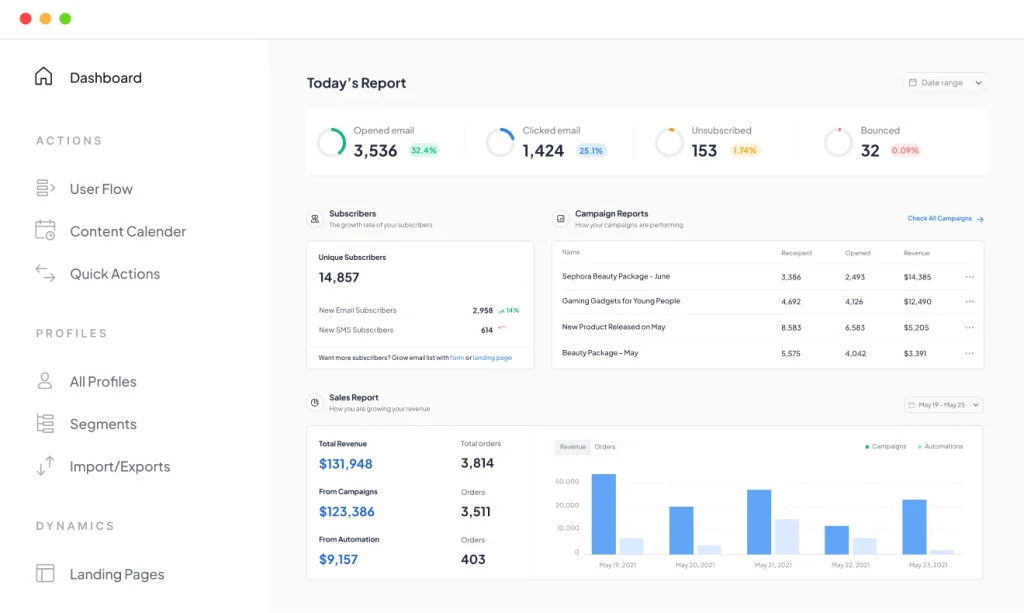
Squizify Dashboard
7. Labelling Is A Breeze
Squizify offers streamlined labelling solutions that ensure your product labels are always accurate and on-brand. Our labelling functionality seamlessly integrates with food safety tracking features, mitigating the risk of human error and incorrect labelling.
8. Maximise Productivity…
By automating almost all of your compliance tasks, our system will free up time that’s usually dedicated to temperature monitoring and data entry. That means you can spend more time managing your business, and less time stressing over safety issues.
In a time where cancel culture runs rife, earning (and keeping) your customers’ trust is no small feat. With Squizify, your customers can rest assured you maintain strict food safety processes by scanning a QR code that links directly to live compliance data.
Want to learn more about what food safety software can do for your business? Get started with Squizify today.
9. …And Minimises Spoilage
Keeping food at safe storage temperatures is a critical component of good food safety practice. By tracking food temperatures through our automated software, your business can cut down on unnecessary spoilage, and ensure your customers always receive a safe meal.
10. Keep Customers On Your Side
In a time where cancel culture runs rife, earning (and keeping) your customers’ trust is no small feat. With Squizify, your customers can rest assured you maintain strict food safety processes by scanning a QR code that links directly to live compliance data.
We know most business owners work hard to ensure they are selling a quality product and an excellent customer experience. However, when it comes to food safety all it takes is a small slip up and it could be all over. If you are caught breaking strict food safety procedures, or even worse if a customer gets sick after consuming food from your restaurant, your business could be shut down faster then you can say ‘salmonella’. Here are 4 small common mistakes that can be costly for a business.
1. Crowding Food In Storage Areas
There are a number of reasons it is important to keep storage areas organised and uncrowded. Firstly, It allows for easier cleaning. Crowded food storage areas tend to be overwhelming and encourage negligence when it comes to cleaning. Crowded fridges can also lead to foods being forgotten and going off which can then lead to the contamination of other products in the same space.
2. Not Sealing Containers Properly
It doesn’t sound like such a big deal but according to Squizify CEO and food safety expert Daniel McDouall, staff not sealing containers properly can lead to serious food safety risks. “If you put a raw product into a room in a container that doesn’t have a lid on it, the bacteria can be transferred to other cooked product. Having sealed containers is critical to avoiding contamination.” Daniel also points out that sealed containers are critical from a pest control point of view. Not only are pests dangerous to customers, if an inspector arrives unannounced and finds any kind of infestation in your venue, you could be shut down instantly.
3. Not Paying Attention To Potentially Hazardous Foods
All staff involved with food handling should be first made aware of potentially hazardous food. According to the Queensland Health website potentially hazardous foods include;
Raw and cooked meat, or foods containing meat such as casseroles, curries and lasagne
Dairy products such as milk, custard and dairy‐based desserts
Seafood (excluding live seafood)
Processed or cut fruits and vegetables, such as salads
Cooked rice and pasta
Foods containing egg, beans, nuts or other protein‐rich food such as quiche and soy products
Foods that contain any of the above foods including sandwiches and rolls
It is important that when it comes to these foods you and your staff pay particularly close attention to how they are stored or prepared. When in doubt, throw it out.
Daniel says when it comes to hazardous foods a key thing is staff awareness and staff training. According to him a Survey done in 2016 indicates that 19.6% of staff members have poor worth ethics and 18.1% has low knowledge or skill level. Daniel says “That exposes 40% of your workforce straight away. There needs to be an emphasis on training starting with the basics and the fundamentals (such as what are hazardous foods) and consistently monitoring and following up with these activities.” This helps to generate better awareness within the staff.
4. Allowing Food Handlers To Use Mobile Phones In The Kitchen
Mobile phones have become an everyday part of our lives. While most people can’t go anywhere without their phone it is important you insist that any food handlers at your business keep their phones away from food prep areas and wash their hands after phone use. Why? It is a little-known fact that mobile phone surfaces are covered in potentially dangerous bacteria. In fact, a recent study found that there are potentially more bacteria on your phone than on a toilet seat [NCBI, 2017]. If you don’t think your customer would appreciate their food being made next to a toilet, then you should probably ban phones from the kitchen and food prep areas.
If you want to be sure you are abiding by all food safety regulations but dread the amount of time and effort needed to make sure your venue is up to code, let Squizify do the hard work for you. To find out how Squizify can help protect your business and give you more time to focus on making sure everything else runs smoothly, make an enquiry via our website today.
This site is registered on wpml.org as a development site. Switch to a production site key to remove this banner.