Ensuring food safety is a fundamental aspect of public health, and state-based food safety programs play a pivotal role in maintaining the quality of food supplies. These programs need to be assessed to ensure they meet local challenges and priorities. Having a food safety program accredited is crucial for compliance and public health. This article examines the operations of these programs, the challenges they face, and the strategies they use to protect public health and mitigate reputational risks.
Introduction to State-Based Food Safety Programs
State-based initiatives play a crucial role in ensuring food safety across different regions. Each state has its own set of regulations and guidelines for food businesses to follow, designed to minimise food safety hazards and protect consumers. For instance, in New South Wales (NSW), the Food Authority is responsible for regulating food safety, while in Queensland (QLD), the Department of Health oversees food safety programs. These initiatives are exceptionally vital for high-risk food businesses, such as those handling manufactured and fermented meats, seafood, and catering operations. By developing and implementing effective food safety programs, these businesses can ensure they provide safe food to their customers and reduce the risk of foodborne illness. Understanding and complying with these state-based initiatives is essential for food businesses to maintain high food safety standards and protect public health.
The Importance of State-Based Food Safety Programs
State-based food safety programs are essential for protecting consumers from foodborne illnesses and maintaining the integrity of the food supply chain. Each state, such as New South Wales (NSW), Queensland (QLD), and the Australian Capital Territory (ACT), implements its food safety standards and regulations tailored to local conditions. This decentralised model allows for flexibility and rapid responses to emerging issues, with food safety standards in NSW, QLD, and the ACT’s strict training laws being prime examples.
Local Adaptation and Responsiveness
State-based food safety programs have a significant advantage in adapting to local conditions. For instance, regions with a high concentration of specific agricultural products may face unique food safety challenges compared to urban areas with diverse food supplies. By focusing on local priorities, these programs can implement targeted interventions that effectively mitigate specific risks.
Moreover, the local adaptation of food safety regulations, such as those in NSW, enables the integration of community feedback. Stakeholders, including farmers, food producers, and consumers, can contribute to policy development that reflects their needs and concerns. This collaborative approach fosters a sense of ownership and accountability within the community. It also encourages innovation, as local businesses can experiment with new practices that align with safety standards and consumer preferences, ultimately leading to a more resilient food system. The food safety program template, NSW and the food safety program template QLD illustrate how these programs can be structured to meet local needs.
Enhancing Public Awareness and Education
Education is a core component of effective food safety programs, which should be part of a documented system. State initiatives, including those in NSW, often feature public awareness campaigns to educate consumers about safe food handling practices. By providing resources and training, these programs empower individuals to make informed choices, reducing the risk of foodborne illnesses.
Additionally, training for food handlers and businesses is crucial. In NSW, Food Safety Supervisors must meet additional requirements, such as training by a NSW Food Authority-approved provider like AIFS, and they receive a certificate issued by the NSW Food Authority. In Queensland, most food businesses are required to have at least one Food Safety Supervisor on staff. Meanwhile, the ACT enforces strict laws around food safety training for both Food Safety Supervisors and Food Handlers. These measures enhance compliance and promote a culture of safety within the food industry. Partnerships with local educational institutions further enrich these training opportunities, creating a pipeline of knowledgeable professionals committed to upholding the highest food safety standards.
Importance of Food Safety Program Accreditation
Accreditation of a food safety program is crucial for food businesses, especially those in high-risk categories, to ensure they meet the required food safety standards. The accreditation process involves a thorough assessment by a qualified food safety auditor, who evaluates the program’s ability to identify and control food safety hazards. Typically, accreditation is a one-time process, unless a significant change in the process occurs, which may necessitate reaccreditation.
Having an accredited food safety program not only enhances a food business’s reputation but also assures consumers that the business is committed to serving safe food. Furthermore, accreditation helps food businesses identify and manage food safety risks, implement effective control measures, and maintain accurate records – all of which are essential for ensuring compliance with food safety regulations. Leveraging food safety compliance software can help businesses streamline documentation and maintain consistent, audit-ready systems.
Protecting Vulnerable Groups
Vulnerable persons, such as the elderly, young children, and people with weakened immune systems, are more susceptible to foodborne illness. Food businesses, particularly those that serve vulnerable people, are responsible for ensuring that their food handling operations are safe and hygienic. This can be achieved by developing and implementing a comprehensive food safety program that includes regular review and updating of procedures, staff training, and control measures to minimise food safety hazards. For example, food businesses can take steps to prevent cross-contamination, ensure proper food storage and handling, and provide clear guidelines for food handling and preparation. By prioritising food safety and taking proactive measures to protect vulnerable groups, food businesses can help prevent foodborne illness and ensure that their customers, including vulnerable persons, can enjoy safe and healthy food.
Collaboration and Partnerships
Collaboration is essential for the success of state-based food safety programs. Audits play a crucial role in ensuring compliance with food safety standards. By partnering with various stakeholders, including government agencies, industry representatives, and community organisations, these programs can leverage digital resources and expertise to enhance food safety efforts.
Interagency Cooperation
Adequate food safety requires coordination among multiple government agencies, including health departments, agriculture departments, and environmental agencies. State-based programs often facilitate interagency cooperation to streamline food safety initiatives and ensure a comprehensive approach to public health. These programs are frequently audited to ensure food safety compliance and effectiveness.
This collaboration enables the sharing of data and best practices, allowing agencies to respond more effectively to emerging food safety issues. By working together, agencies can create a unified front against foodborne illnesses, enhancing the overall safety of the food supply.
Engaging the Food Industry
Collaboration with the food industry is equally important. Requesting a food safety audit or inspection is essential for ensuring compliance with industry-specific guidelines. State-based food safety programs often engage with food producers, processors, and retailers to develop industry-specific guidelines and standards. This partnership fosters a culture of food safety compliance and accountability, as industry stakeholders are more likely to adhere to regulations they have helped shape.
Moreover, industry engagement can lead to innovative solutions to food safety challenges. By working together, state programs and the food industry can identify and implement best practices that enhance safety and promote economic sustainability. The food industry’s involvement in food safety initiatives can facilitate the adoption of cutting-edge technologies, such as blockchain for traceability and artificial intelligence for predictive analysis. These advancements improve the safety of food products and enhance consumer trust.
Utilising Technology for Food Safety
In 2025, Australian state-based food safety programmes are increasingly adopting digital solutions to enhance compliance and oversight, particularly concerning potentially hazardous food. Squizify is an approved HACCP International digital food safety program platform that aligns with these initiatives by offering real-time wireless temperature monitoring through IoT sensors and Bluetooth probes, ensuring that high-risk foods are stored and handled within safe temperature ranges. This capability helps businesses meet the requirements of the Food Standards Code, which mandates strict temperature controls for these foods.
Local councils responsible for enforcing food safety regulations benefit from Squizify’s automated record-keeping and audit readiness tools for food safety compliance. These tools facilitate the development of comprehensive food safety programmes by businesses, enabling them to document procedures, monitor critical control points, and implement corrective actions promptly when deviations occur. Such functionalities are crucial for maintaining compliance with state-specific food safety laws, often requiring businesses to have documented food safety systems and trained Food Safety Supervisors.
By integrating Squizify into their operations, businesses can streamline various activities, from staff training to sanitation protocols, ensuring that all aspects of food handling meet regulatory standards. This integration not only aids in compliance but also enhances the overall effectiveness of state-based food safety programmes, contributing to improved public health outcomes across Australia.
Challenges and Future Directions
While state-based food safety programs have significantly addressed local challenges, they also face ongoing obstacles that require attention and innovation. Having an accredited food safety program is crucial for maintaining the integrity of food safety programs. Understanding these challenges is essential for ensuring the continued effectiveness of food safety initiatives.
Resource Limitations
Many state-based programs operate with limited resources, which can hinder their ability to maintain a documented food safety system. Budget constraints may restrict training opportunities, outreach efforts, and inspection capacity. Addressing these resource limitations is essential for maintaining the integrity of food safety programs. Implementing food safety software can help streamline operations and reduce manual workload, even when staffing is limited.
Additionally, adopting wireless temperature monitoring systems can improve compliance and oversight in real-time, ensuring critical control points are maintained without the need for constant manual checks. Advocating for increased funding and support from government bodies can help bolster these programs. Exploring partnerships with private organisations and non-profits may also provide alternative funding sources and technological resources to enhance food safety efforts.
Keeping Pace with Emerging Risks
The food industry constantly evolves, with new products and technologies emerging regularly. State-based food safety programs must address these changes effectively, including staying informed about foodborne pathogens, changes in consumer behaviour, and advancements in production techniques. Continuous professional development for food safety officials is essential to equip them with the latest knowledge and skills. State programs can effectively respond to emerging risks and maintain food safety by fostering ongoing learning and adaptability.
Conclusion
State-based food safety programs are crucial for addressing local challenges and ensuring food safety nationwide in Australia. Accreditation of these programs is vital for safe food supplies. They protect public health by adapting to local conditions, engaging stakeholders, and utilising technology such as food safety software and wireless temperature monitoring to enhance compliance and efficiency.
As the food industry evolves, state programs must be proactive and responsive to changes. Collaboration, education, and innovation are key to safeguarding community health and ensuring food safety for everyone, despite ongoing resource limitations.
Running a food business and managing food safety risks go hand in hand. Even with strict food safety protocols in place, product recalls are an all-too-common occurrence that must be managed quickly and efficiently to minimise the risk to consumers. Good food safety management solutions and accountability for food traceability are the best defence for food manufacturing and service businesses.
Traceability allows every stakeholder along the supply chain to clearly see how the food and ingredients have come to be at your location, allowing for the rapid removal of unsafe foods enabling business owners to rapidly address food safety incidents relating to the products and raw foods used in your food business.
What Is Food Traceability And What Is It For?
Food traceability is a tracking system used in the food production industry designed to support food safety procedures by increasing transparency across the supply chain, right from production/cultivation through to consumption.
Food traceability in the digital age involves documenting and recording information about the individual journey of each food/ingredient through the production phases of origin, production, processing, distribution and sales. The food industry also benefits from increased levels of transparency and food integrity that comes with greater analysis.
Under Australian food safety law, the primary purpose of traceability is to ensure food recalls can be undertaken quickly and effectively for the sake of public health, however some businesses who operate internationally must also follow the laws and regulations of the countries their products are entering (such as in the UK, and Canada).
The main goal of transparent food traceability is to have a documented overview of the product’s state and safety throughout the production process. This includes two main categories of traceability.
External Tracing. Tracking movement from the manufacturer to the supplier. Otherwise known as upstream or backward tracking.
Internal Tracing. Tracking the movement of products from the manufacturer to the customer. Otherwise known as forward or downstream tracking.
Why Is Food Traceability Important?
In the case of common food industry challenges such as the outbreak of foodborne illness or product contamination, traceability records are critical when seeking to rapidly identify the source of the problem and prevent further spread or risk to consumers and businesses.
Determining the potential impact of the problem directly and being able to plan corrective actions accordingly are the keys to maintaining food safety industry wide.
Top 10 Benefits Of Food Traceability For Food Safety
Quality Control. Food safety tracking works as an addition to your existing quality control systems, offering bonus product quality assurances to customers (to avoid food misconceptions).
Reduced Event Impact. Food traceability reduces the impact of food recalls on business productivity and profitability by addressing the issue quickly and efficiently.
Promotes Transparency. More accurate origin information is available to the consumer/purchaser (boosts consumer confidence in the product).
Rapid Recall. Enables rapid and accurate food withdrawal from the marketplace – this information also aids in prompt recall responses protecting public health.
Regulatory Compliance. Traceability systems are required by law as part of the food safety standards in countries such as the UK, the US, and Australia, meeting the necessary international food safety obligations is essential for businesses that operate beyond New Zealand’s borders.
Better Food Safety Standards. Whether you are a small corner café, hospital, education provider or a nationwide supermarket chain, managing food safety is always a top priority.
Rapid Identification. Businesses can access information about the product in question, which aids in identifying the food safety hazards that caused the issue.
Inventory Management Support. Some traceability systems are able to double as an ongoing record of inventory and manufacturing history.
Higher Customer Satisfaction. Businesses are more likely to be prepared to address problems as they arise, leading to less disruption/inconvenience and higher customer satisfaction overall.
Reliable Productivity. Businesses are able to maintain productivity as they are less likely to face serious failures in their manufacturing processes.
Who Is Responsible For Food Traceability?
Everyone from the manufacturer to the retailer to the food service provider is responsible for food traceability. This blanket coverage ensures the best possible opportunity to catch any issues before they become a safety concern to the ongoing health and welfare of consumers.
Worldwide Food Traceability Regulations
Some of the more common food safety regulations from around the world developed to improve traceability to help reduce food safety risks are listed below.
UK Regulation (EC) No. 178/2002
United States Food Safety Modernization Act (FSMA) Food Traceability Final Rule.
The FDA Food Safety Modernization Act (FSMA) Section 204
ISO 22005 (focuses on traceability in food and feed supply chains)
Hazard Analysis and Critical Control Points (HACCP) global food safety system
How Does Food Traceability Relate To The HACCP?
What is HACCP? The HACCP or Hazard Analysis Critical Control Point is an internationally recognised system used to standardise the identification and management of food safety hazards. The HCAAP principles provide the foundation for food safety and hygiene procedures helping food industry businesses identify and reduce potential food hazards, ensuring food is safe to eat.
The HCAAP encompasses food safety analysis and control of biological, chemical, and physical food safety hazards all the way from primary production to procurement and handling, distribution and consumption, therefore food traceability plays its part in HCAAP compliance.
Identifying And Ensuring Traceability
Food safety tracing systems need to be able to capture the necessary information to be used as a reference all the way along the supply chain. Various methods can be used to complete this task adequately, the most common being food labelling stickers.
Most goods are easily able to be identified through labelling, which contains basic information, barcodes, QR codes and, if necessary, the use of RFID technology. Some of the common types of information stored for traceability purposes is as follows.
Supplier. The source of the raw materials used in the production of the food and any relevant documents of proof.
Manufacturer. Details about the manufacturer, including the name, address, and contact details.
Product Info. Details on how each item is made as well as production batch quantities and numbers, date of production, traceability/identification codes, and the shelf-life/expiry date.
Operational Details. Processing records, including the production and assembly process, machinery used, food storage and prep, etc.
Employees. The details of the employees involved in the production process are required in order to be able to investigate a contamination event.
Complaints. The action/s taken to address any complaints relating to the product.
Delivery. When, how and where the final product was delivered to its final destination (as far as your business is concerned)
Food traceability in the food manufacturing and food service industries is a critical component for meeting food safety standards and also an important underlying factor in food safety management. Interested in streamlining your digital food safety solutions – book a demo with the team at Squizify to discuss how their all-in-one food safety platform can help you today!
From supermarkets to airports, hospitals to restaurants, guaranteeing food safety compliance is crucial for ongoing success. But most importantly, it means customers can rest assured that their food is safe to eat!
The need to meet stringent food standards and legislative requirements can often leave business owners feeling pressured, with some businesses struggling to keep up with the paperwork. That’s where reliable food safety software can provide opportunities for businesses to streamline their processes, improve efficiency, and most importantly, ensure high-level compliance with all food safety regulations.
What Are The Negative Impacts Of Poor Food Safety Compliance?
For most businesses, the thought of having serious food safety issues is pretty horrifying, of course prevention is the best approach, but if disaster does strike, there are 3 main consequences of poor food safety compliance.
1. Food Poisoning
According to the Food Standards Australia New Zealand (FSANZ), foodborne illness costs Australia around 2.81 billion each year, with salmonella, campylobacter, listeria and norovirus topping the list of common culprits. The need to avoid food poisoning is the primary driver of stringent food safety management in Australia and New Zealand. Caused by bacteria, viruses, or parasites, food poisoning mainly occurs in situations where food has not been transported, stored, prepared or cooked properly. Common symptoms of food poisoning include nausea or vomiting, diarrhoea, allergic reactions, headaches, stomach pains, fever or chills.
2. Brand/Reputation Damage
Aside from the serious matter of causing harm to people, the fallout from being the source of a food poisoning incident or product recall will have ongoing repercussions for your business. Loss of consumer confidence and likely a significant drop in sales are the two most common consequences, both resulting in long-term operational implications.
3. Legal Implications
Aside from preventing potential foodborne illnesses, not meeting the necessary food safety compliance requirements can result in improvement/direction notices issued by Food Safety Officers or more serious consequences such as requiring the business to cease operations and close, food recalls and even prosecution for serious cases of neglect.
What Food Safety Legislation Applies In Australia?
Developed to protect consumers from foodborne illness, compliance with Australia’s food safety regulations is a must for all food sector businesses. The Australia New Zealand Food Safety Code governs the standards around the safety of food to be consumed in Australia. The Code contains regulations for the following food safety requirements. For more information on this legislation, see the FSANZ website.
Standard 3.2.1 Food Safety Programs
Standard 3.2.2 Food Safety Practices and General Requirements
Standard 3.2.2A Food Safety Management Tools
Standard 3.2.3 Food Premises and Equipment
Standard 3.3.1 Food Safety Programs for Food Service to Vulnerable Persons
What Is A Digital Food Safety System And Why Is It Important?
Digital food safety refers to integrated software systems specifically designed to record, monitor, and report on food safety practices. These systems work on basic food safety management principles, providing up-to-date continuous access to information, including analysis, processing, and monitoring, that can be easily reviewed via an app installed on a variety of devices.
The importance of digital food safety management systems lies in their ability to provide up-to-date, real-time information that aids in the successful management of food safety risks. This means risks are more easily managed and any issues that arise can be addressed more efficiently – a significant bonus not only for operational efficiency but also for the safety of consumers, as no food manufacturer wants to risk harming or inconveniencing customers!
6 Key Features To Look For In Digital Food Safety Software
Food safety software typically includes features such as automated record keeping, real-time temperature monitoring, food storage management and task management. The software provides a centralised platform for recording and tracking food safety data, making it much easier to address any potential food safety issues. Some of the key features to look for in good digital food safety software are:
User Friendliness. For the best results, it is essential to look for software that is easy to use. If staff find it difficult to use or confusing, they are less likely to get the most out of it.
Temperature Monitoring. Many foods need to be kept at certain temperatures to ensure they remain safe for consumption. Food safety management should always include a variety of temperature monitoring capabilities both on-site and in transit.
Batch Management. Tracking of all data related to batch production, including descriptions, ingredients, costs, potential food allergens and history.
Centralised Platform. Having everything you need at your fingertips will mean staff can navigate the system quickly and efficiently, getting the most out of the technology.
Task Management. An important feature to look for is the ability to manage and track food safety tasks. One aspect of this might be automated checklist generation, which allows you to customise task sheets according to specific needs and requirements. This is an excellent way to ensure everything gets completed on time.
Audit And Compliance Reporting. One of the best features of digital food safety software is that it helps maintain compliance with food safety regulations. Look for audit and compliance tracking and reporting features along with actionable insights.
Top 5 Benefits Of Using Digital Food Safety Software
Using digital food safety software provides businesses with peace of mind when recording, monitoring and reporting on food safety issues, take a look below for just a few of the main benefits.
Real-Time Monitoring. Digital food safety software’s real-time monitoring capabilities allow the system to highlight any food safety issues as they arise, prompting immediate action and avoiding more serious consequences, such as food spoilage.
Greater Efficiency. Automating food safety tasks such as temperature monitoring greatly streamlines the process. This automation saves time by allowing staff to focus more on their core responsibilities, reducing wastage and increasing efficiency—ultimately saving your business money!
Improved Accuracy. When using digital systems, the software collects and records its own data, minimising the risk of human error and working flawlessly 24/7.
Centralised Data Management. Because all food safety data is stored in a centralised system, monitoring, analysis, and reporting are accessible anytime/anywhere, resulting in better decision-making and the ability to be more proactive in maintaining food safety standards.
Better Compliance. Maintaining high levels of compliance with food safety regulations is a priority for any food-related business in NZ. Digital food safety software provides easy-to-use tools for tracking, documenting, and reporting on compliance tasks to ensure compliance and uphold safety standards.
A wonderful serenity has taken possession of my entire soul, like these sweet mornings of spring which I enjoy with my whole heart. Modal footer goes here
Strong food safety practices are one of the few essential elements for operating a successful business in the food industry. Not only does food safety impact your customers’ health, but earning poor grades is a sure-fire way to break your business. Many business owners fall into the trap of thinking food safety is difficult to track or maintain. They opt for archaic practices that require their staff to spend hours entering data that usually isn’t accurate anyway.
Not only is that a waste of their time, it’s also a waste of your money. That’s where Squizify comes in. Our industry-leading Digital Food Safety and Compliance Software has the power to revolutionize your business, so you can spend more time making money and less time stressing over food safety. But don’t just take our word for it—here are 10 reasons to take the plunge on Squizify’s Digital Food Safety System.
Food Safety
1. First And Foremost—It’s Easy!
Food safety compliance doesn’t have to be hard, and with Squizify, all it takes is a few mouse clicks. Our software has been carefully designed so it’s simple and easy to use, so you don’t have to micromanage staff to make sure it’s being used correctly.
2. Generate Checklists With Just A Few Clicks!
Checklists are a fast and easy way to make sure you’re on top of food safety requirements. That’s why Squizify’s Digital Food Safety System allows you to generate customisable checklists that you can use time and time again.
3. Reports Are Ready In The Blink Of An Eye
With the ability to auto-generate reports, our software completely eliminates the stress of scrambling to find paperwork buried in a file at the back of a cabinet. Data can be quickly and easily cumulated into structured reports that give you an accurate snapshot of your food safety performance, not to mention valuable operational insight.
4. Get Ahead Of Safety Inspections
Food safety inspections are known for being stressful, but they don’t have to be. Our one-touch Council reporting feature ensures you’ll have all the information your inspector requires at just the touch of a button.
5. Accuracy Is Guaranteed
No fudging numbers here! Squizify’s Digital Food Safety System ensures all data is up-to-date and accurate, so there’s no risk of fabricated data. You’ll know for a fact that all tasks have been performed properly, so you can confidently support your data.
6. Go Completely Paperless!
Welcome to the way of tomorrow! Our system is 100% paperless, with cloud-backup functionality so you never lose your valuable data. No need for photocopying or working out where you last left your pen—we are all digital, all the time.
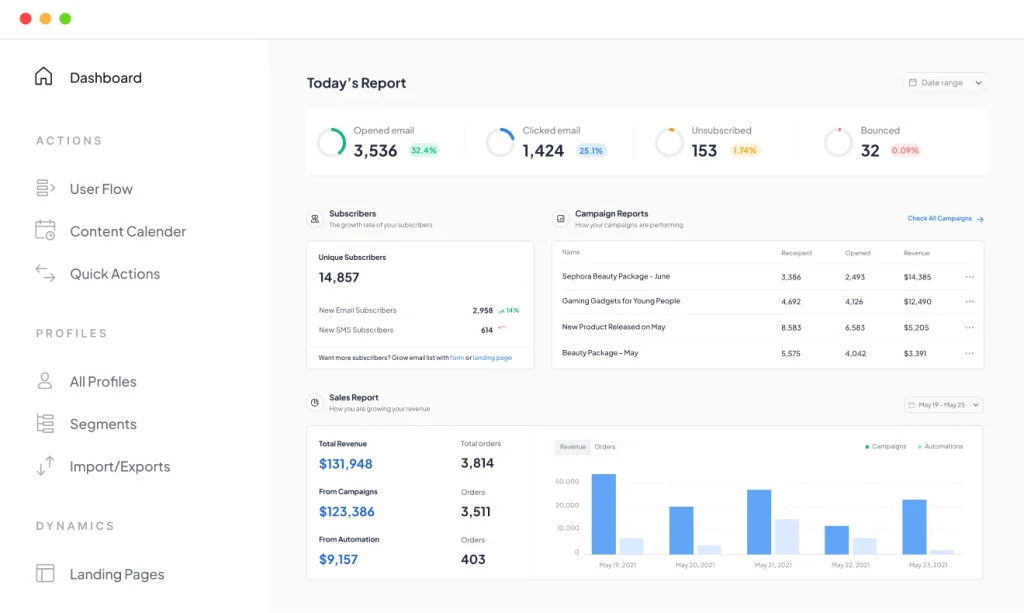
Squizify Dashboard
7. Labelling Is A Breeze
Squizify offers streamlined labelling solutions that ensure your product labels are always accurate and on-brand. Our labelling functionality seamlessly integrates with food safety tracking features, mitigating the risk of human error and incorrect labelling.
8. Maximise Productivity…
By automating almost all of your compliance tasks, our system will free up time that’s usually dedicated to temperature monitoring and data entry. That means you can spend more time managing your business, and less time stressing over safety issues.
In a time where cancel culture runs rife, earning (and keeping) your customers’ trust is no small feat. With Squizify, your customers can rest assured you maintain strict food safety processes by scanning a QR code that links directly to live compliance data.
Want to learn more about what food safety software can do for your business? Get started with Squizify today.
9. …And Minimises Spoilage
Keeping food at safe storage temperatures is a critical component of good food safety practice. By tracking food temperatures through our automated software, your business can cut down on unnecessary spoilage, and ensure your customers always receive a safe meal.
10. Keep Customers On Your Side
In a time where cancel culture runs rife, earning (and keeping) your customers’ trust is no small feat. With Squizify, your customers can rest assured you maintain strict food safety processes by scanning a QR code that links directly to live compliance data.
We know most business owners work hard to ensure they are selling a quality product and an excellent customer experience. However, when it comes to food safety all it takes is a small slip up and it could be all over. If you are caught breaking strict food safety procedures, or even worse if a customer gets sick after consuming food from your restaurant, your business could be shut down faster then you can say ‘salmonella’. Here are 4 small common mistakes that can be costly for a business.
1. Crowding Food In Storage Areas
There are a number of reasons it is important to keep storage areas organised and uncrowded. Firstly, It allows for easier cleaning. Crowded food storage areas tend to be overwhelming and encourage negligence when it comes to cleaning. Crowded fridges can also lead to foods being forgotten and going off which can then lead to the contamination of other products in the same space.
2. Not Sealing Containers Properly
It doesn’t sound like such a big deal but according to Squizify CEO and food safety expert Daniel McDouall, staff not sealing containers properly can lead to serious food safety risks. “If you put a raw product into a room in a container that doesn’t have a lid on it, the bacteria can be transferred to other cooked product. Having sealed containers is critical to avoiding contamination.” Daniel also points out that sealed containers are critical from a pest control point of view. Not only are pests dangerous to customers, if an inspector arrives unannounced and finds any kind of infestation in your venue, you could be shut down instantly.
3. Not Paying Attention To Potentially Hazardous Foods
All staff involved with food handling should be first made aware of potentially hazardous food. According to the Queensland Health website potentially hazardous foods include;
Raw and cooked meat, or foods containing meat such as casseroles, curries and lasagne
Dairy products such as milk, custard and dairy‐based desserts
Seafood (excluding live seafood)
Processed or cut fruits and vegetables, such as salads
Cooked rice and pasta
Foods containing egg, beans, nuts or other protein‐rich food such as quiche and soy products
Foods that contain any of the above foods including sandwiches and rolls
It is important that when it comes to these foods you and your staff pay particularly close attention to how they are stored or prepared. When in doubt, throw it out.
Daniel says when it comes to hazardous foods a key thing is staff awareness and staff training. According to him a Survey done in 2016 indicates that 19.6% of staff members have poor worth ethics and 18.1% has low knowledge or skill level. Daniel says “That exposes 40% of your workforce straight away. There needs to be an emphasis on training starting with the basics and the fundamentals (such as what are hazardous foods) and consistently monitoring and following up with these activities.” This helps to generate better awareness within the staff.
4. Allowing Food Handlers To Use Mobile Phones In The Kitchen
Mobile phones have become an everyday part of our lives. While most people can’t go anywhere without their phone it is important you insist that any food handlers at your business keep their phones away from food prep areas and wash their hands after phone use. Why? It is a little-known fact that mobile phone surfaces are covered in potentially dangerous bacteria. In fact, a recent study found that there are potentially more bacteria on your phone than on a toilet seat [NCBI, 2017]. If you don’t think your customer would appreciate their food being made next to a toilet, then you should probably ban phones from the kitchen and food prep areas.
If you want to be sure you are abiding by all food safety regulations but dread the amount of time and effort needed to make sure your venue is up to code, let Squizify do the hard work for you. To find out how Squizify can help protect your business and give you more time to focus on making sure everything else runs smoothly, make an enquiry via our website today.
Without stating the obvious, the Australian foodservice industry is on their knees at the moment.
The food outlets that are still open are having to dramatically change and adapt the way they run their business in order to survive.
The foodservice industry is no stranger to safety precautions. Activities like handwashing, taking food temperature, and cleansing surfaces are the core components of a foodservice employee’s routine. But in times of uncertainty like an infectious outbreak, these practices will become more important than ever.
Key Focus Areas For Food Businesses
1. Handwashing
Handwashing is the simplest but most effective way to fend off viruses. Businesses should consider increasing handwashing checks to take place several times per hour (even if employees wear gloves while working), and be sure to have a system in place that guarantees employees will adhere. Take extra care for employees who are working the register and drive-thrus, as health officials have expressed concern that exchanging cash and coming in close contact with others can increase the risk of spread.
2. Sanitisation Of Surfaces
Ensure that all surfaces and high-traffic areas remain sanitary. Wipe down countertops, tables, and chairs (even if dine-in service has been suspended), doorknobs (including main entrances if you are offering in-store pickup), railings, and drink dispensers. If your customers are entering the store to pick up orders, ensure that the counters where they grab straws, utensils, napkins, etc are constantly disinfected. In fact, most stores have done away with any area where customers could self-serve, to remove the risk completely.
3. Online Delivery
Businesses are focusing more on online delivery to ensure revenue still comes through the door to keep staff employed and the business open. With this added focus on delivery, it’s critical, more than ever, that business has a system to ensure food is safe. Current food safety systems need to be followed more than ever to accommodate the ‘new world’ the foodservice industry lives in. Ensuring food is kept at the right temperature, the packaging is sealed correctly so drivers don’t contaminate food by helping themselves, contactless delivery (where drivers leave food at the front door rather than hand directly to customers), cashless deliveries (card only) so drivers don’t handle cash etc.
4. Remote Monitoring & Management
An advantage of digital food safety for owners and operators is the ability to check-in and manage all locations remotely, especially as social distancing becomes more important during the emergency. With a digital food safety system like Squizify, owners are able to stay on top of each location and make any necessary spur-of-the-moment decisions backed by data from their actual stores.
As per medical advice, COVID19 can last on the packaging for up to 48 hours. So, it’s more important than ever, especially for customers that are doing the right thing and social distancing at home, that food businesses don’t unknowingly bring this horrible virus to them via food delivery. The foodservice industry has entered the toughest market conditions in living memory. At these times cutting corners can easily happen, however with a fast-spreading infectious disease like COVID19 food safety is one area foodservice businesses need to spend extra attention, ensuring standards are kept extremely high.
The current situation is likely to change, and it can feel overwhelming to keep up with all of the updates and news.
Our Advice is Simple, Foodservice Businesses Need To…
Clearly understand what their food safety systems are and make any necessary changes to ensure staff & customers are protected. Ensure all staff are fully trained and aware of any changes to the current processes. Ensure their delivery channels are doing the right things in relation to staff & customer protection.
The foodservice industry is well-positioned to flourish when we come out of this pandemic, however, if businesses don’t do the right thing now and their brand/restaurant is tarnished by a poor food safety event, even when things get back to normal the long-term damage to these brands will be enormous.
As long as your restaurant is open for business during these times, staff should be supported with the knowledge and assistance they need to keep the environment safe and healthy.
If you have any questions around how Squizify can help through these tough times, please contact us at hello@squizify.com
Daniel
Squizify CEO
If you’re in the business of food, keeping things consistently clean can sometimes feel overwhelming. The bad news is that a mess is inevitable. The good news is that there are a few simple steps you can take to keep things clean with minimum effort. To help you keep your business running at its best, we’ve summarised 6 easy steps you can take to become a cleaner kitchen, which always leads to a happier team and more satisfied clientele—the best kind of win-win situation.
1. Keep Your Kitchen Clutter Free
When it comes to running your food business with ease, organisation is key. To keep your kitchen looking and functioning at its best, make sure all cupboards, storerooms, fridges and drawers are located and stocked in a way that makes the most sense. To improve efficiency, keep small gadgets within reach, utilise easy-to-access shelves and racks for frequently used ingredients, and create designated spaces within your layout, e.g. the prep station, the hot station, and the cleaning station. A well-mapped out and decluttered kitchen is far easier to keep clean and to navigate.
2. Clean As You Go, Not When It’s Too Late
If you work in a busy food business it can be tempting to cast tools to the side to be cleaned up later as you cook and prepare food. But habits such as these can lead to serious headaches at the end of the working day. To maintain a clean and hygienic environment cleaning as you go is paramount. This includes washing and sanitising all utensils straight after use and wiping down bench tops regularly. An unrinsed knife that’s been used to cut raw meat is not only visibly dirty, it’s also covered with invisible bacteria. This is why it’s not hygienic to leave cleaning to the end of the day, instead wash your utensils directly after use.
3. Put Things In Their Place
In order to avoid cross-contamination, it’s important to assign each kitchen utensil its own home. Once you’ve decided where things will go, remember to educate all team members on where different items belong. There’s nothing worse than losing precious prep time while trying to locate a grater because somebody put it back where the rolling pin should be.
4. Take Proper Care Of Cleaning Equipment
You can’t have a clean floor if you are using a dirty mop. To ensure you’re not mopping your way to nowhere, be sure to clean your mops and buckets daily. First, rinse your mop until the water is clean. Then soak your mop in its bucket with hot water and bleach. Wait 10 minutes and rinse your mop again before hanging it out to dry. And remember, never leave a wet mop to dry with its head to the ground. Seems obvious, but it is always worth a mention.
5. Take The Extra Step To Sanitisation
If you work in the food industry keeping all utensils and spaces germ-free is paramount. To keep in line with industry standards you need to be sure that your equipment and all areas of your kitchen are not only rinsed and washed but also sanitised. This includes benches, floors, inside/outside cupboards, under/inside/outside food storage units and windows. To maintain a healthy workplace for food preparation you can sterilise in two different ways: with chemicals or with heat. Applying these extra measures will ensure that your premises is better protected against potential contamination.
6. Let Us Prepare Your Personalised Cleaning Schedule
If you’d do essentially anything to avoid planning a cleaning schedule, we feel you. That’s why we’re here to help. Our tailor-made cleaning schedules make it easy for you to allocate tasks to your staff and ensure everyone is aware of their duties. That means less time worrying about stains and sanitisation and more time with your clientele.
If you run a food business it’s not always easy to determine what you can handle yourself versus what you should outsource. Some things are common sense, like working with reputable suppliers and hiring a team of competent staff. But how should you best handle the task of hiring a Food Safety Supervisor?
Before you can answer that question, it’s important to figure out if you need a Food Safety Supervisor at all, and if so, what role this person will play in your business dynamic. It’s also helpful to understand what exactly (in detail) a Food Safety Supervisor does. Sure, the name gives part of that away, but there’s more to the job title than meets the eye.
So, What Is The Role Of A Food Safety Supervisor?
Simply put, the role of the Food Safety Supervisor is to be aware of all relevant food safety legislation and standards applicable to your business. According to the Australian Institute of Food Safety, duties of the role include, but are not limited to:
Making sure all food handling tasks are carried out safely and properly by monitoring all food handlers.
Recognising, preventing and alleviating all food safety hazards in your food business.
Making sure all food handlers maintain safe, industry standard personal hygiene.
Ensuring that your business’s food safety program is up-to-date, maintained and adhered to by all members of staff.
Being ‘reasonably available’ to your food business and its local council during operating hours.
In order to qualify to carry out the above duties, your Food Safety Supervisor must first complete all required training to receive the necessary statement of attainment or certificate required within your state.
Do I Really Need A Food Safety Supervisor?
At the end of the day, this depends on two things: where your business is located and what type of food it serves. Certain Australian states and territories require all registered food businesses to nominate a qualified Food Safety Supervisor.
Generally speaking, all licensable food businesses must have a Food Safety Supervisor if they serve ready-to-eat food, potentially hazardous foods (e.g. raw and cooked meat), or food that has not been sold or served in its original packaging.
Does My Business’s Food Safety Advisor Need Professional Qualifications?
If you would like to nominate yourself or one of your team members as your Food Safety Supervisor, it’s definitely fine to do so. So long as the individual you assign to the role is qualified. To carry out their duties according to industry standards, your chosen Food Safety Supervisor must hold a a food safety supervisor certificate, the basic requirement to oversee the safe production and service of food.
The general rule is one Food Safety Supervisor per food business. However, some larger and busier businesses—especially those that operate around the clock—often choose to employ more than one. The most important rule to remember is: your Food Safety Supervisor must be reasonably available at all times. So if your establishment operates 24/7, employing or nominating more than one qualified Supervisor may be necessary.
Will My Food Safety Supervisor Be Able To Better Prepare My Business For Food Safety Inspections?
It’s natural to not look forward to food safety inspections. With so much to keep track of, it’s understandable to feel nervous about steps you might have missed. However, if your business has a confident and capable Food Safety Supervisor regularly overseeing all orders of proceeding, food safety inspections are generally a breeze. A fully qualified Food Safety Supervisor will make sure that your premises is always properly cleaned, that food is stored appropriately, and that the personal hygiene of your food handlers is up to industry standard.
Most business owners don’t look forward to food safety inspections. However, you should not have anything to worry about if you are following the minimum food safety requirements.
All businesses that handle food are required to undergo semi regular food safety inspections. This is in the interest of the public’s health to ensure no one is consuming potentially harmful food. Here is key information that every company needs to know about food safety inspections.
What Can I Expect From A Food Safety Inspection?
On the day of the inspection, you will meet an Environmental Health Officer (EHO), who will be conducting the inspection. They will check that the premises are properly cleaned, food is stored appropriately, the personal hygiene of food handlers is up to scratch, and all temperatures are controlled to meet standards. The EHO will inspect both the back and front of house. They may also search for any signs of pests, unsanitary surfaces and incorrect storing of potentially hazardous foods.
How Can I Prepare For A Food Safety Inspection?
Reading this article is a great first step in preparing yourself for an upcoming inspection, but you will need to ensure your restaurant is fully equipped before it is ready for the test. To prepare your store, you should have cleaning checklists & guides, history of cleaning & temperatures, food audit checklists and most importantly a functioning temperature monitoring system.
The easiest way to make sure all these areas are covered is with Squizify. We provide outstanding food safety temperature monitoring technology. Our Bluetooth Temperature Probes provide real-time reports and logs. This makes providing temperature history during your next inspection super easy. SQUIZIFY also provides food safety and compliance checklists, cleaning guides and food audit checklists. We can customise checklists to suit each store and identify critical and non-critical task types. This ensures maximum efficiency so that the important tasks are carried out first.
Using SQUIZIFY will benefit your business greatly, not only to keep you up to date with the latest food safety standards but also helping you to be prepared for an inspection at any given time. All you need to do is show them our system.
4 Common Mistakes To Avoid
Equipment – all equipment must be cleaned and sanitised after use and organised in appropriate areas.
Storage – food must be stored appropriately in secure containers labelled with the use by date.
Everything must be cleaned! – this includes benches, floors, inside/outside cupboards, under/inside/outside food storage units and windows.
Vents, Drains & Sinks – all of these need to be clean and in working condition.
Additional Ways To Really Succeed In Your Health And Safety Audit
Ensure the business looks spick and span from the outside and inside
Ask the inspector for feedback – ways to improve the businesses current procedures.
Comply with the inspector as much as possible
Engage with staff – everyone should understand the importance of food safety
For more specific information on food safety inspections, you should refer to your local government’s website.
In case you haven’t heard, Woolworths and Coles stores from Victoria, New South Wales, Tasmania and South Australia had been selling eggs infected with salmonella. 9News reported Bridgewater Poultry, a Victorian poultry farm, had been distributing these eggs and is under investigation.
Salmonella infection is a common bacterial disease that affects the intestinal tract. It is commonly associated with food poisoning and the sickness can last 24-72 hours. Usually risk of salmonella is significantly lower when eggs are cooked. Raw eggs should definitely not be consumed as the risk of salmonella is greatly increased.
Egg Product Recalls
Woolworths 12 Cage Free Eggs 700g
Victorian Fresh Barn Laid Eggs 600g
Victorian Fresh Barn Laid Eggs 700g
Victorian Fresh Barn Laid Eggs 800g
Loddon Valley Barn Laid 600g
Affected eggs have best-before dates of March 20, March 23, March 27, March 30, April 3, April 6, April 10, April 14, April 17, April 20, April 24, April 27, April 29
(Loddon Valley Eggs, 2019).
What Is Being Done Now?
Due to the seriousness of this case, many egg farms are having to cull their chickens to ensure the spread of salmonella is stopped. Coles and Woolworths are also urging anyone who has any of the recalled products to return them as soon as possible and not feed them to people or animals.
What Should Store Owners Do?
If you are a store owner, it is safe to purchase eggs now. The threat has been removed but it is now more important than ever to be following correct hygiene procedures. Do not keep any cracked or dirty eggs. For the storage of your current eggs make sure they’re being refrigerated at 4°C or colder at all times. To ensure your eggs are always being stored at a safe temperature, make sure all of your temperature monitoring systems are in working condition. SQUIZIFY can provide your store with this technology, which comes with live sync reports at any moment from anywhere.
Get in touch with us if you would like to know how we can save your eggs and ultimately your business.
Benjamin Ansell. (2019, March 21). Possible Salmonella Contamination of Eggs. 9News.
Loddon Valley Eggs. (2019). MEDIA STATEMENT: PRODUCT RECALL.
This site is registered on wpml.org as a development site. Switch to a production site key to remove this banner.