


How Wireless Temperature Monitoring Safeguards Hotel Buffets in Thailand
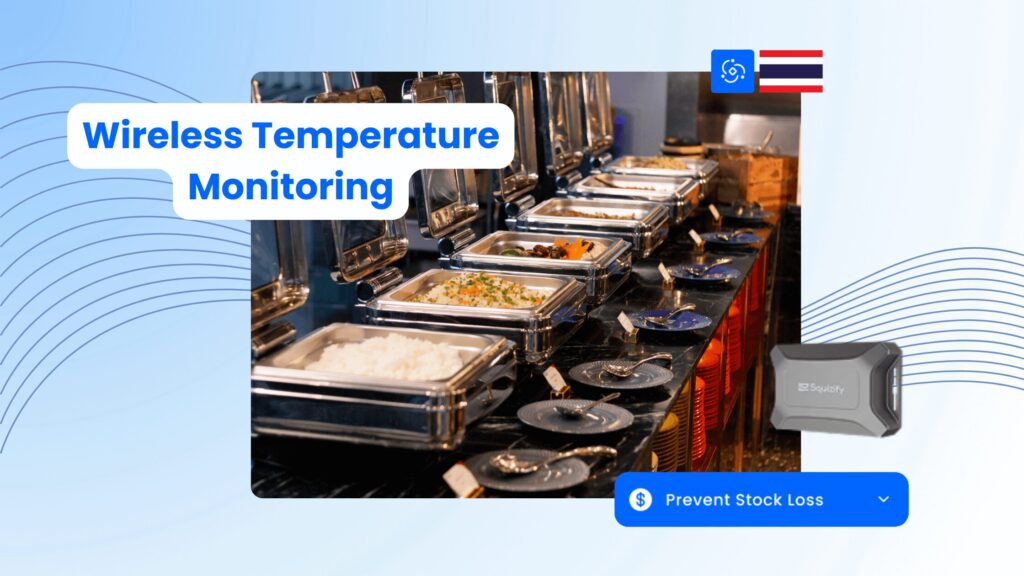
Hotel buffets in Thailand move fast, serve diverse menus, and face constant heat and humidity. To protect guests and reputations, many operators now rely on wireless temperature monitoring to keep cold and hot items within safe ranges, spot issues early, and demonstrate best practices without paperwork overload.
Why Hotel Buffets In Thailand Need Reliable Temperature Control Systems
Thailand’s climate and high guest turnover make buffets uniquely vulnerable to unsafe holding temperatures. Without consistent checks, food can slip into the danger zone, especially during peak service, outdoor events, power fluctuations, or long replenishment cycles.
Wireless temperature monitoring helps hotels maintain steady control across multiple stations, from chilled seafood to hot curries, even when teams are stretched. It also supports operational excellence by reducing last-minute firefighting and maintaining a smooth service.
How Wireless Temperature Monitoring Prevents Food Spoilage And Contamination
Wireless temperature monitoring prevents spoilage by catching temperature drift before it becomes a waste problem. When a bain-marie drops below safe heat, or a salad bar rises too warm, staff can respond immediately rather than discovering it after guests have eaten.
Wireless temperature monitoring also reduces contamination risk by eliminating manual probing and ad hoc checks. Automated, continuous readings create a clearer picture of what happened and when, so teams can isolate a single tray or station rather than discarding entire batches.
Wireless temperature monitoring is especially useful during handovers, busy breakfast rushes, and large banquets where accountability can blur. With visible data and quick alerts, teams can act consistently, not just when someone remembers to check.
What Sensors And Alerts Help Maintain Safe Serving Temperatures
The most effective setups combine temperature monitoring sensors with smart placement and clear alert rules. Sensors as part of an automated temperature-monitoring system can be used for hot-holding units, chilled wells, display fridges, and even back-of-house storage, supporting buffet replenishment.
Wireless temperature monitoring becomes more reliable when alerts are immediate and specific, such as “Buffet Station 3 cold well above limit for 10 minutes”. This helps staff fix root causes quickly, like lid gaps, overloading, or ice melt, rather than guessing.
Some hotels extend controls beyond the buffet line with freight temperature monitoring for deliveries and transfers. That continuity matters when seafood, dairy, and cooked proteins travel from supplier to kitchen to service, and online temperature monitoring ensures the cold chain is not assumed.
To reduce human error further, many operations pair monitoring with food label printing so items are clearly marked for time, batch, and handling. Alongside tailor-made checklists, teams can follow the same routine every shift without relying on informal habits.
How Automated Data Tracking Supports Thai Food Safety Compliance
Proof matters as much as performance. Hotels must show they manage risk, and wireless temperature monitoring provides automated record keeping that is consistent, legible, and easy to retrieve.
With a secure SaaS platform, managers have 24/7 access to data from internet-connected devices, whether on-site or off-site. This makes auditing capabilities stronger because records are searchable, time-stamped, and less prone to missing entries or unclear handwriting.
Wireless temperature monitoring also supports food safety management by highlighting repeat issues, such as one underperforming chiller or a buffet lid that never seals properly. Instead of blaming staff, teams can fix equipment, adjust replenishment frequency, and improve training with evidence.
Platforms like Squizify position this as a comprehensive compliance solution that supports food service and general operational management/compliance. Their food safety temperature monitoring approach links wireless temperature monitoring with automated record keeping, auditing capabilities, and tailor-made checklists to save time and money while improving accuracy and efficiency.
Where Hotels In Thailand Can Find Trusted Wireless Temperature Monitoring Solutions
Hotels looking for food safety temperature monitoring solutions typically need software plus hardware that fits their buffet layout and service style. A good provider offers temperature monitoring sensors, integrates workflows, and supports long-term use, not just on installation day.
Squizify serves multiple industries, including hospitality, healthcare, aged care, child care, supermarkets, fuel sites, and manufacturing solutions, which can be useful for hotel groups operating mixed sites. Their differentiation is automated record-keeping accessible via internet-connected temperature monitoring devices, helping teams keep consistent standards across properties.
Because every buffet operation is different, customisable software, delivered through discovery calls and demo sessions, can help align alert thresholds, reporting, and responsibilities. Hotels can use onboarding via the Book a Demo button for personalised guidance, then rely on 24/7 live chat support to keep systems running during service peaks.
For hotels in Thailand, the fastest path is choosing a solution that combines wireless temperature monitoring with practical tools staff will actually use. When systems are simple, visible, and supported, buffet safety becomes routine rather than reactive.