


What is the NSW Name and Shame List?
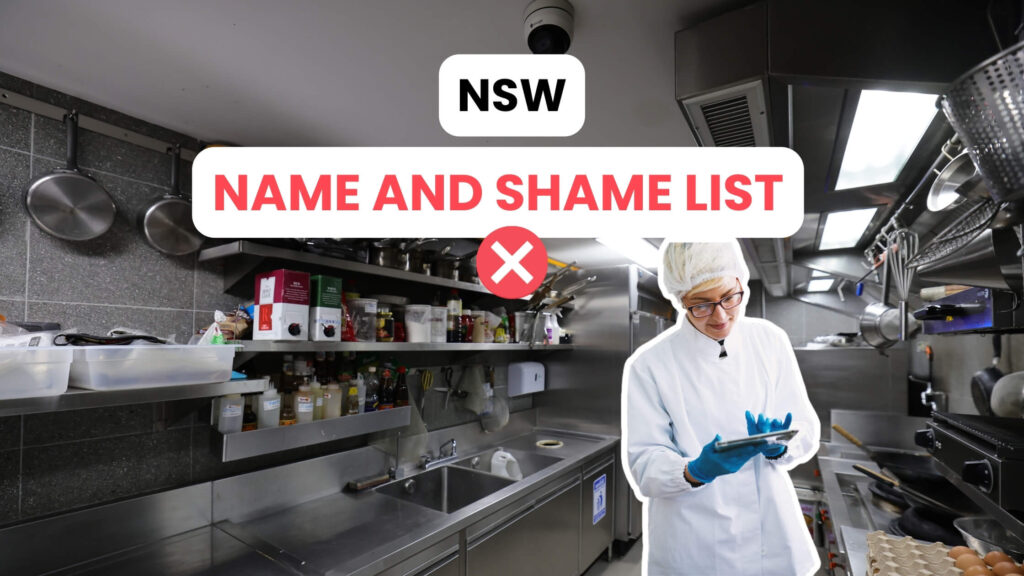
What is the Name and Shame List?
The NSW Name and Shame List is a public register that documents businesses issued penalty notices for food safety breaches. The NSW Food Authority maintains this transparent database to hold food businesses accountable for non-compliance with food safety regulations.
This public register serves three key purposes:
- Transparency: Consumers access real-time information about food safety violations
- Public health protection: Early warning system for potential health risks
- Industry accountability: Encourages businesses to maintain proper food safety standards
The list includes details of food safety breach disclosure incidents, from minor infractions to serious violations that could trigger a comprehensive HACCP audit. Businesses appear on the register when they receive penalty notices for failing to meet NSW food safety requirements, creating a powerful incentive for compliance across the hospitality industry.
Why Do Restaurants End Up on the Name and Shame List?
The main reason restaurants end up on the NSW Name and Shame List is because of food safety breaches. This happens when they fail to meet mandatory food safety standards due to various non-compliance issues.
Common Violations
Some common violations that can lead to being listed include:
- Failing to control temperatures during food storage and preparation
- Having poor hygiene practices among staff members
- Not cleaning and sanitising properly
- Not keeping proper food handling records
- Mixing raw and cooked foods, which is known as cross-contamination
Penalty notices are official documents that record these breaches, with amounts varying based on severity and repeat offences. The NSW Food Authority issues these notices after inspections reveal non-compliance with food safety standards.
When restaurants ignore food safety compliance requirements, public health risks increase. Contaminated food can cause serious illness outbreaks, affecting vulnerable populations including children, elderly individuals, and immunocompromised people. Each breach has the potential to expose hundreds of customers to harmful bacteria or viruses.
How Technology Can Help
To prevent these violations, modern food safety compliance management software and audit readiness tools for food safety compliance are available. These tools help maintain consistent monitoring systems in restaurants.
By utilising these digital solutions, restaurants can gain a deeper understanding of what it means to comply with food safety regulations in practical terms. This knowledge reduces the likelihood of appearing on public enforcement lists and ultimately protects the health of their customers.
What Information is Available on the List?
The NSW Name and Shame List publishes comprehensive details about non-compliant food businesses across the state. The list includes information about:
- Business identification: The full trading name, physical address, and location details of establishments that have received penalty notices.
- Breach descriptions: Specific information about food safety violations, such as temperature control failures or hygiene breaches. It also indicates whether violations involve alleged breaches currently under investigation or confirmed non-compliance issues.
- Penalty notices details: The exact nature of each violation, including the date of the breach or inspection, the specific food safety regulation violated, the penalty amount issued, and the current status of the enforcement action.
This transparent approach to food safety compliance reporting allows consumers to access real-time information about businesses that have failed to meet required standards. This empowers them to make informed dining decisions while also encouraging accountability within the industry.
Where Can I Find the Name and Shame List?
The NSW Food Authority website is the main place to find the Name and Shame List. The authority publishes this register at foodauthority.nsw.gov.au under their enforcement section, ensuring public access to compliance data remains transparent and current.
The online platform provides 24/7 availability for consumers, industry stakeholders, and media representatives. Updates occur regularly as new penalty notices are issued or existing entries are modified based on compliance improvements.
Key access features include:
- Searchable database by business name, location, or breach type
- Mobile-responsive design for smartphone and tablet users
- Downloadable records for research and reporting purposes
- Real-time updates reflecting the most current enforcement actions
The digital format eliminates geographical barriers, allowing anyone across NSW to instantly check food safety compliance records. This accessibility supports informed decision-making for consumers choosing where to dine and helps businesses monitor industry compliance standards.
Should You Avoid Visiting Restaurants on the Name and Shame List?
Consumer awareness requires balanced judgment when making risk management in dining choices. Businesses appear on the list for specific violations at particular times, not permanent food safety failures.
Food safety audits and food safety compliance audits occur regularly after initial violations. Many establishments implement corrective measures and achieve compliance within weeks of listing. The NSW Food Authority conducts follow-up food safety inspection visits to verify improvements.
Consider these factors when evaluating listed restaurants:
- Recent listing dates – newer entries may still be addressing violations
- Nature of violations – temperature control issues differ from pest problems
- Business response – establishments often display improvement certificates
Food safety audits help businesses identify gaps and implement proper procedures. Smart consumers check listing dates and violation types rather than avoiding all listed establishments entirely. This approach supports businesses genuinely committed to improvement while maintaining personal safety standards.
Conclusion
The NSW Name and Shame List is an important tool for protecting public health and holding the industry accountable. Transparency in food safety is crucial; this public register enables consumers to make informed dining decisions while also motivating businesses to uphold high standards.
Consumers should regularly check the list to stay informed about food safety compliance in their local area. For food service businesses, taking proactive steps can help avoid expensive penalties and damage to their reputation.
Food safety compliance requires systematic approaches to ongoing compliance improvement. Comprehensive food safety software solutions like Squizify provide automated record-keeping, wireless temperature monitoring, and customised checklists that streamline compliance management. These tools help businesses maintain consistent standards, avoid regulatory breaches, and protect both customers and their reputation.Investing in proper food safety compliance systems can turn regulatory requirements from burdens into competitive advantages.