


How Climate and Weather Affect Food Safety in Thailand
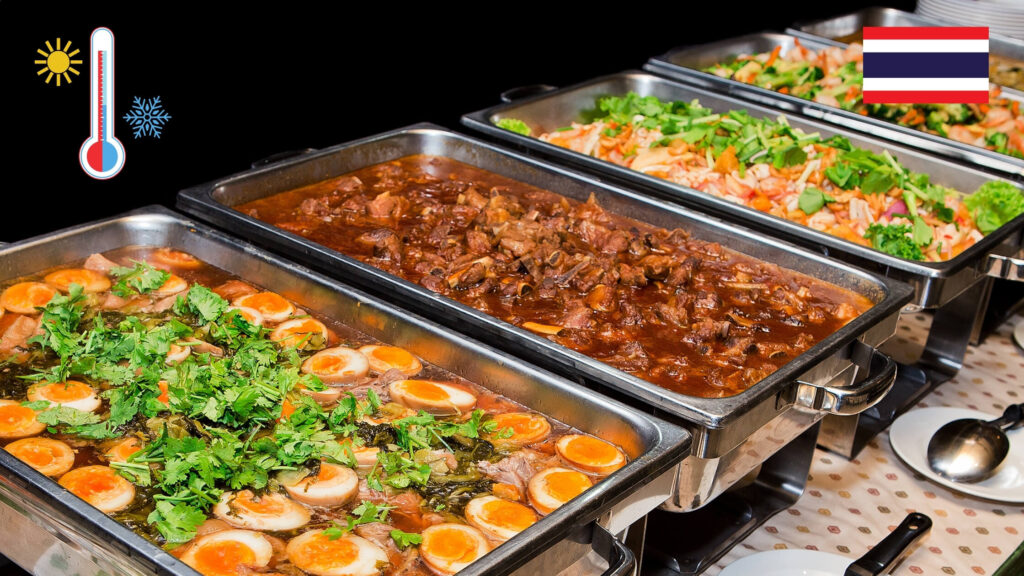
Why Do Climate and Weather Matter for Food Safety in Thailand?
Thailand’s tropical climate presents unique challenges for food safety management. The country experiences year-round high temperatures averaging 28-35°C, combined with humidity levels reaching 70-80%. These conditions create an ideal breeding ground for harmful bacteria, accelerating food spoilage and increasing contamination risks.
Weather patterns directly influence foodborne illness rates for several reasons:
- High temperatures speed up bacterial multiplication, reducing safe food storage times
- Monsoon seasons introduce moisture that compromises packaging and storage integrity
- Temperature fluctuations during seasonal transitions stress refrigeration systems
Food businesses operating without proper wireless temperature monitoring face significant risks. A single temperature breach can result in product loss, regulatory violations, and potential health hazards. The combination of Thailand’s climate challenges and the critical need for continuous temperature surveillance makes automated monitoring systems essential for maintaining Thailand’s food safety standards across the supply chain.
What Are the Key Climate Factors Affecting Food Safety in Thailand?
Thailand’s tropical climate creates three primary challenges for food safety management. High temperatures between 25-35°C accelerate bacterial multiplication rates, with pathogens like Salmonella and E. coli doubling every 20 minutes in optimal conditions.
Humidity Effects
Humidity compounds these risks significantly. Moisture levels exceeding 70% create ideal breeding environments for moulds and bacteria whilst promoting rapid food deterioration. Fresh produce, dairy products, and prepared meals become particularly vulnerable to contamination.
Seasonal Variations
Seasonal variations intensify food safety challenges throughout the year:
- Hot season (March-May): Extreme temperatures stress refrigeration systems and increase spoilage rates
- Monsoon period (June-October): Heavy rainfall creates flooding risks, power outages, and compromised storage facilities
- Cool season (November-February): Temperature fluctuations disrupt cold chain integrity
These climate factors make continuous monitoring with food temperature probes essential. Without proper surveillance, food contamination incidents spike during peak weather periods, threatening both consumer health and business operations across Thailand’s food service industry.
What Role Does Wireless Temperature Monitoring Play in Mitigating These Risks?
Wireless temperature monitoring systems provide continuous surveillance of food storage environments without manual intervention. These IoT sensors automatically track temperature fluctuations across critical control points, from cold storage facilities to transport vehicles navigating Thailand’s challenging climate conditions.
Remote temperature monitoring systems deliver real-time data directly to smartphones and computers, enabling immediate response to temperature deviations. When sensors detect temperatures outside safe ranges, instant alerts trigger corrective actions before spoilage occurs.
Online temperature monitoring eliminates the guesswork from food safety compliance. Each temperature monitoring device creates detailed records that demonstrate adherence to HACCP standards, whilst reducing labour costs associated with manual temperature logging. This technology proves particularly valuable during Thailand’s extreme weather events when traditional monitoring methods may fail.
How Can Businesses Use Wireless Temperature Monitoring Systems in Thailand?
Automated temperature monitoring solutions are changing how food safety is managed in Thailand’s hospitality and food service industries. Squizify’s wireless temperature monitoring system, which Thailand businesses trust, offers constant monitoring without the need for manual checks, solving the specific problems caused by tropical weather.
Benefits of Wireless Temperature Monitoring Systems
Here are some key benefits of using wireless temperature monitoring systems:
- 24/7 data accessibility: You can access your temperature data anytime, anywhere through secure SaaS platforms on any device with an internet connection.
- Real-time monitoring: You can monitor critical control points at multiple locations simultaneously, ensuring that all your sites are compliant with food safety regulations.
- Automated record-keeping: Our system automatically records temperature readings, eliminating human error and ensuring accurate compliance documentation.
Cost Savings from Wireless Temperature Monitoring Systems
Utilising wireless temperature monitoring systems can result in substantial cost savings for businesses in Thailand. Here are some ways:
- Reduced food waste: By detecting spoilage early through constant monitoring, you can reduce food waste and protect your profit margins.
- Avoiding regulatory penalties: Improved compliance with food safety standards can help you avoid costly penalties imposed by regulatory authorities.
- Increased operational efficiency: With remote monitoring solutions in place, your staff can focus on their core responsibilities instead of spending time on manual temperature checks.
Seamless Integration and Proactive Prevention
Our temperature monitoring systems are designed to integrate smoothly with your existing workflows. You will receive instant alerts whenever there is a deviation from safe temperature ranges, allowing you to take immediate action.
This proactive approach helps prevent contamination incidents before they happen, safeguarding both customer health and your business reputation in Thailand’s competitive food service industry.
How Does Squizify Support Food Safety Compliance Amid Thailand’s Climate Challenges?
Squizify’s food safety compliance solution delivers comprehensive food safety management through automated checklist systems and integrated auditing capabilities. The platform streamlines operational efficiency by eliminating manual record-keeping whilst maintaining accuracy across all compliance requirements.
Industry-specific solutions cater to diverse sectors, including hospitality, healthcare, aged care, and manufacturing facilities operating in Thailand’s challenging tropical climate. Each solution incorporates wireless temperature monitoring alongside customised compliance frameworks designed for specific operational needs.
The onboarding process includes personalised demo sessions tailored to your business requirements, followed by ongoing support through 24/7 live chat assistance. This ensures seamless implementation and continuous operational support.Book a demo with Squizify to discover how automated compliance management can protect your business against Thailand’s climate-related food safety risks.